New Patients Are Welcome!

Everything To Know About Dental Implants
November 14, 2022
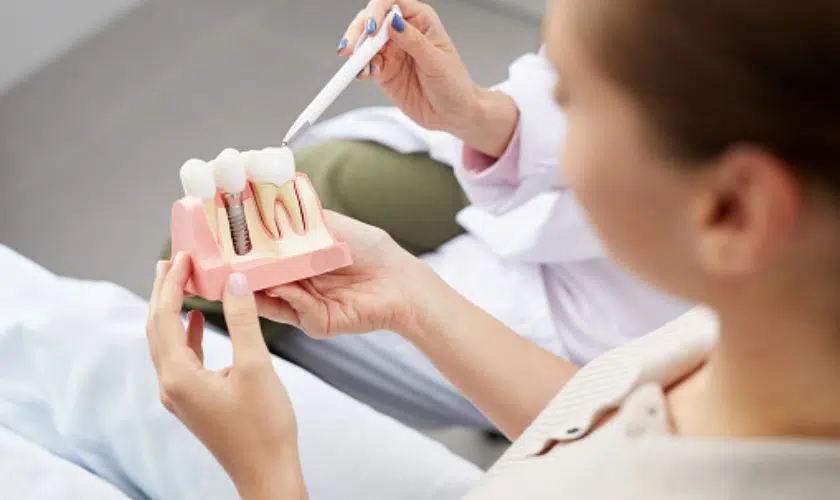
Teeth replacement has become increasingly common, as many individuals seek effective solutions for restoring their smiles and maintaining optimal oral health. Whether due to infection, injury, or tooth decay, losing a tooth can significantly impact your confidence and self-esteem. When tooth replacement is delayed, it may also lead to facial sagging and premature aging, particularly when the gap left by a lost tooth remains untreated.
Among the various options for replacing missing teeth available today, dental implants stand out as the most popular and reliable solution. Designed to look, feel, and function like natural teeth, an implant tooth provides lasting support for both your smile and long-term dental health.
What Are Dental Implants?
Dental implants are among the most effective and long-lasting solutions for tooth restoration when compared to other dental treatments. Once successfully placed, implant teeth closely resemble your natural teeth, not only in appearance but also in feel and function. Each implant tooth is designed to restore complete oral functionality, allowing you to speak clearly, eat comfortably, and smile with confidence, just as you would with natural teeth.
A dental implant is a fixture embedded within the jawbone and replaces the tooth root over which dental prosthetic appliances, such as crowns and removable or fixed dentures, are placed. Once the implants are placed, they are then left to heal. The implants will then fuse with the jawbone, resulting in a firm anchorage and stability of the artificial teeth.
Who Should Get Dental Implants?
Dental implants are an ideal solution for individuals seeking a long-lasting and durable option to replace missing teeth. They are especially recommended for those who:
- Need a permanent replacement for missing teeth: If you have one or more missing teeth and want a solution that mimics the function and appearance of natural teeth, implant teeth offer unmatched stability and longevity compared to traditional options like bridges or dentures.
- Want to restore facial aesthetics: Missing teeth can lead to bone loss and facial sagging over time. A properly placed implant tooth helps preserve the jawbone, supporting your facial structure and preventing premature aging.
- Desire improved chewing and speaking ability: Gaps from missing teeth or ill-fitting dentures can make eating and speaking uncomfortable or even embarrassing. Dental implants restore full bite function, allowing you to enjoy your favorite foods and speak with clarity and confidence.
- Are dissatisfied with removable dentures: If you’re tired of the discomfort, slipping, or maintenance associated with traditional dentures, implant teeth offer a secure, fixed alternative that feels more natural and requires less daily upkeep.
Whether you’re missing a single tooth or several, dental implants can significantly improve your quality of life by restoring function, aesthetics, and overall oral health.
Who Are The Ideal Candidates for Dental Implants?
Dental implants are one of the best alternatives for replacing teeth due to an infection or injury.
You may be a good candidate for dental implants if:
- You have good general health.
- You have sufficient bone density within the jaw to anchor the implant.
- You do not have periodontal disease.
- You have healthy gum tissue.
Why Are Dental Implants Better Than Other Dental Prosthetics?
1. Losing teeth can impact your smile and facial aesthetics. Dental implants help you achieve a beautiful smile by placing dental crowns over the implants.
2. Dental implants by the dentist in Amarillo last longer than dentures and dental bridges. The implants can last for a lifetime if proper oral health is maintained.
3. It helps in preserving the natural tooth structure. Other dental restoration methods require the reduction of adjacent teeth. With dental implants, such needs can be eliminated.
4. You can eat all types of food with dental implants. Those who use dentures are told to avoid eating hard and sticky food since it could damage the prosthetic appliance. The dentures could break or dislodge from their original position. Implants are a permanent solution for replacing teeth. Hence, you can eat according to your preference without worrying about damaging your dental implants.
5. You can enjoy improved oral hygiene with dental implants. While using dentures or bridges, proper oral hygiene cannot be maintained, as the bristles of the toothbrush cannot remove food particles located beneath them.
Key Takeaways
If you’re ready to restore your smile with a solution that looks, feels, and functions like natural teeth, dental implants in Amarillo may be the perfect choice. With long-term benefits for both appearance and oral health, implants offer unmatched durability and comfort. Whether you’re missing one tooth or several, a skilled dentist in Amarillo, TX, can assess your needs and guide you through the implant process. Don’t let missing teeth affect your confidence – schedule a consultation with a trusted dentist in Amarillo and discover how dental implants can transform your smile and quality of life.
FAQs
Q. What Do You Need To Know About Dental Implants?
A: Dental implants are a durable, natural-looking solution for replacing missing teeth. They fuse with the jawbone to support crowns, bridges, or full sets, restoring function and appearance.
Q. What is The Downside To Dental Implants?
A: Dental implants carry risks like infection, nerve damage, delayed healing, or jaw fractures. While rare, these complications should be considered before treatment.
Q. Who Should Get Dental Implants?
A: If you’re missing teeth or struggling with dentures or bridges, dental implants offer a natural-looking, secure solution that looks, feels, and functions like real teeth.
Recent Post

October 7, 2026
Do You Need a Bone Graft Before Dental Implants?

October 1, 2026
The Best Tools for Effective Teeth Cleaning at Home

September 21, 2026
Why Does My Jaw Hurt When I Wake Up?

September 14, 2026
Why Do My Teeth Hurt When I Drink Something Cold?
September 10, 2026
How Long Do Porcelain Bridges Really Last?
September 3, 2026
Dental Sealants for Kids: Are They Really Necessary?
August 27, 2026
Bleeding Gums When You Brush? Here’s What That Might Actually Mean

August 19, 2026
Electric or Manual: Which Toothbrush Actually Cleans Your Teeth Better?

August 13, 2026
How to Brighten Yellow Teeth at Home Naturally

August 5, 2026