New Patients Are Welcome!

Bleeding Gums When You Brush? Here’s What That Might Actually Mean
August 27, 2026
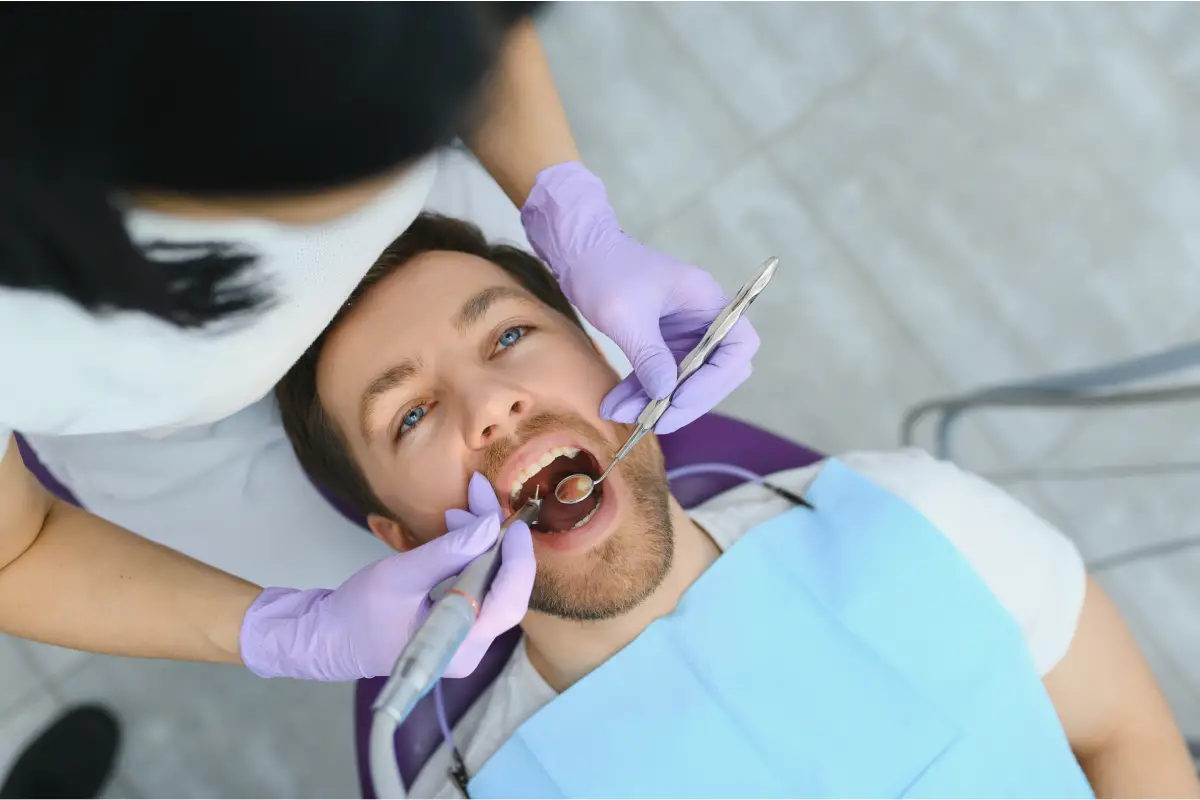
Noticing a little pink in the sink after brushing is one of those things that’s easy to shrug off. It doesn’t hurt, it happens fast, and life moves on. But that small detail is worth paying attention to, because it’s usually the very first sign your gums are sending you. Understanding gingivitis vs periodontitis — the two main stages of gum disease — can be the difference between reversing a problem in a few weeks or managing it for years.
The team at Karr & Hardee Dentistry sees this distinction come up constantly during routine cleanings. Dr. Clint Hardee often points out that patients are surprised to learn just how different these two conditions actually are, even though they sit on the same spectrum. One is fully reversible. The other isn’t. Knowing where you stand matters.
What Gingivitis Actually Is
Gingivitis is inflammation of the gum tissue, caused by plaque buildup along the gumline. It’s extremely common, and for most people, it shows up as:
- Gums that look slightly red or puffy rather than firm and pink
- Bleeding during brushing or flossing, even with gentle pressure
- Mild bad breath that doesn’t fully go away with brushing
The encouraging part is that gingivitis doesn’t involve any damage to the bone or connective tissue holding your teeth in place. It’s inflammation only, which means it’s fully reversible with better home care and a professional cleaning. This is one of the reasons dentists watch for these early signs of gum disease so closely — catching it here avoids everything that comes next.
Where Periodontitis Begins
If gingivitis goes unaddressed for long enough, the inflammation can spread below the gumline and start affecting the bone and ligaments that anchor your teeth. At that point, it’s no longer gingivitis — it’s periodontitis, and the damage is no longer fully reversible.
Signs tend to include:
- Gums that appear to be pulling away from the teeth
- Pockets forming between the teeth and gums, where bacteria collect
- Teeth that feel slightly loose or shift position
- Persistent bad breath or a bad taste that doesn’t clear up
- Changes in how your bite feels when you chew
Periodontitis is manageable, but it requires ongoing care rather than a single fix. Depending on how advanced the condition is, treatment may involve periodontal therapy to control infection and protect the tissues supporting your teeth.
Why the Line Between the Two Matters So Much
The core difference comes down to reversibility. Gingivitis is inflammation your body can fully recover from once the irritant — plaque and tartar — is removed and kept off. Periodontitis involves actual loss of the structures supporting your teeth, and while treatment can stop it from progressing further, it typically can’t regenerate lost bone on its own.
That’s exactly why Karr & Hardee Dentistry puts so much emphasis on catching gum changes early rather than waiting for discomfort. If you’d like a deeper look at how periodontal therapy addresses gum disease at different stages, it walks through what treatment actually involves once gingivitis has progressed further.
Should You Be Worried If Your Gums Bleed Sometimes?
Occasional bleeding, especially after switching toothbrushes or flossing more aggressively than usual, isn’t automatically a red flag. But bleeding that happens regularly, without an obvious cause, is worth mentioning at your next visit. We’ve broken down when gum bleeding is a normal, temporary thing versus a sign worth watching, which is a helpful read if you’ve noticed this pattern more than once or twice.
If it’s been a while since your last cleaning and you’re seeing any of these signs, don’t wait for it to feel urgent — gum disease rarely announces itself with pain until it’s fairly advanced. Bring it up with our team and we’ll take a real look, not just a guess.
How to Protect Your Gums Either Way
Regardless of which stage you’re at, the daily habits that protect your gums stay the same:
- Brush twice daily with a soft-bristle brush, focusing gently along the gumline
- Floss once a day to remove plaque brushing alone can’t reach
- Keep up with professional cleanings every six months, since tartar can’t be brushed away at home
- Avoid tobacco products, which significantly increase periodontitis risk
Catching Gum Changes Early Makes All the Difference
Gum disease is one of those conditions where timing genuinely changes the outcome. Caught as gingivitis, it’s a quick fix. Left to become periodontitis, it becomes a long-term management plan instead.
If your gums have been bleeding, feeling tender, or just seem different lately, it’s worth having Dr. Thomas Karr or Dr. Clint Hardee take a look before it progresses. Let an Amarillo dentist take a closer look if you’re noticing changes that don’t seem to be going away.
Frequently Asked Questions
1. Can gingivitis go away on its own?
Not entirely on its own, but with improved brushing, flossing, and a professional cleaning to remove built-up plaque and tartar, gingivitis typically resolves within a few weeks.
2. Is periodontitis painful?
Not always, which is part of what makes it dangerous. Many people don’t feel discomfort until the disease has progressed significantly, which is why regular checkups matter more than waiting for symptoms.
3. Can periodontitis be reversed?
The bone and tissue loss caused by periodontitis generally can’t be fully reversed, but treatment can stop it from getting worse and help protect the teeth you still have.
4. How do I know if my bleeding gums are gingivitis or something else?
Bleeding alone doesn’t confirm gingivitis, but combined with redness, puffiness, or tenderness, it’s a strong early indicator. A dental exam is the only way to know for certain.
5. How often should I get a gum health check?
Every six months during a routine cleaning is standard, though anyone noticing bleeding, swelling, or looseness should come in sooner rather than waiting.
Recent Post

October 7, 2026
Do You Need a Bone Graft Before Dental Implants?

October 1, 2026
The Best Tools for Effective Teeth Cleaning at Home

September 21, 2026
Why Does My Jaw Hurt When I Wake Up?

September 14, 2026
Why Do My Teeth Hurt When I Drink Something Cold?
September 10, 2026
How Long Do Porcelain Bridges Really Last?
September 3, 2026
Dental Sealants for Kids: Are They Really Necessary?
August 27, 2026
Bleeding Gums When You Brush? Here’s What That Might Actually Mean

August 19, 2026
Electric or Manual: Which Toothbrush Actually Cleans Your Teeth Better?

August 13, 2026
How to Brighten Yellow Teeth at Home Naturally

August 5, 2026