New Patients Are Welcome!

Dental Sealants for Kids: Are They Really Necessary?
September 3, 2026
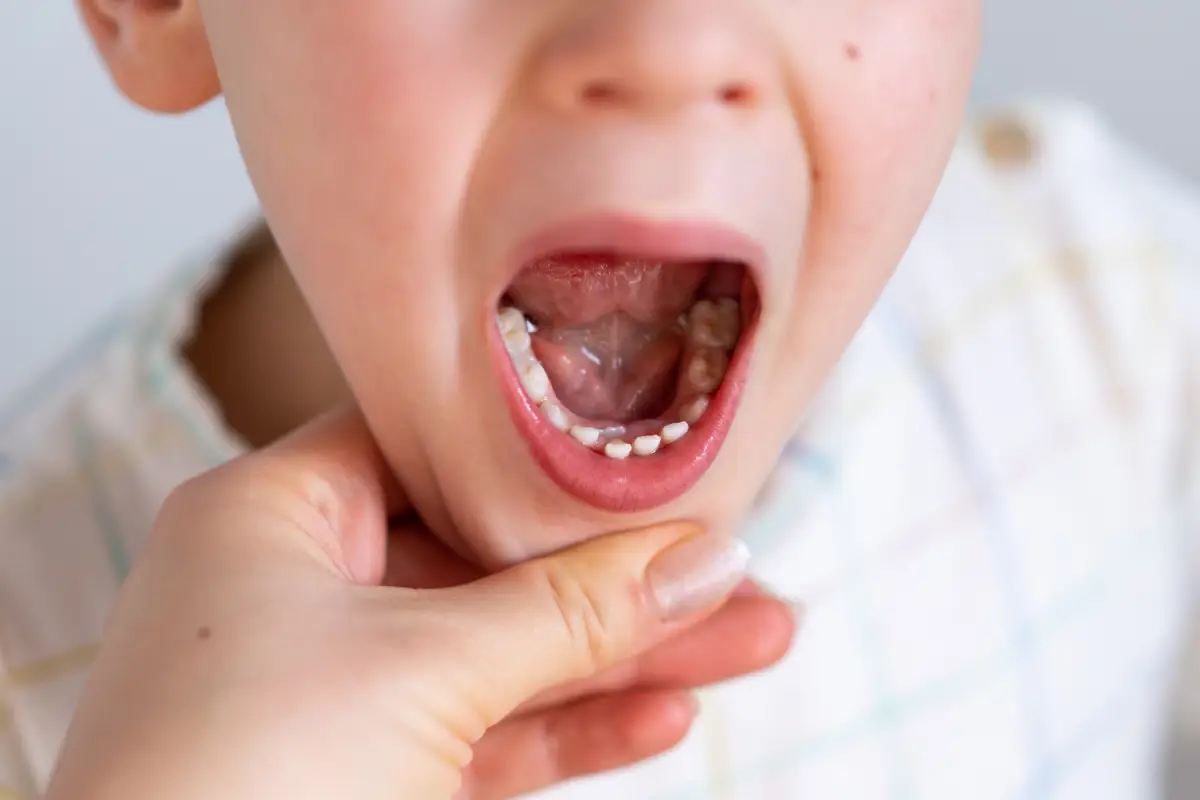
If you’ve sat through a pediatric checkup and heard the word “sealants” come up, you’ve probably wondered whether it’s a genuinely useful step or just another add-on. It’s a fair question, and one worth understanding before you say yes or no. Dental sealants for kids are one of the simplest preventive tools in pediatric dentistry, but like anything involving your child’s care, it helps to know exactly what you’re agreeing to and why.
At Karr & Hardee Dentistry, Dr. Clint Hardee explains sealants the same way to most parents: think of them as a thin protective coating that sits in the deep grooves of the back teeth, where a toothbrush bristle genuinely struggles to reach. That one detail—the shape of a child’s molars—is really the whole reason sealants exist in the first place.
Why Back Teeth Are So Prone to Cavities
Molars aren’t smooth. They have narrow pits and grooves on the chewing surface that are perfect for trapping food particles and bacteria, but too tight for a toothbrush bristle to fully clean out. Even a child with excellent brushing habits can end up with a cavity forming in these grooves, simply because the anatomy of the tooth works against them.
This is different from cavities caused by sugary drinks or snacks sitting on the tooth surface, which is its own separate risk worth understanding. If you’re curious how diet plays into this, we’ve looked at how sugary drinks affect a child’s cavity risk, which pairs well with sealants as part of the bigger picture of cavity prevention for children.
What a Sealant Actually Does
A sealant is a thin, plastic coating painted onto the chewing surface of a molar. It hardens quickly and essentially smooths over those deep grooves, turning a hard-to-clean surface into one that’s much easier to brush and rinse. It doesn’t fix an existing cavity—it helps prevent new decay from forming in that specific spot.
The application itself is quick and painless. There’s no numbing needed, no drilling, and most kids sit through it without much fuss. The tooth is cleaned and dried, the sealant is painted on, and a special light hardens it in place, usually within a single visit.
How Long Do Sealants Actually Last?
Sealants typically hold up for several years, though this varies depending on a child’s bite, chewing habits, and how well they’re maintained. Regular checkups let your dentist monitor whether a sealant is still intact or starting to wear thin, since a chipped or worn sealant won’t offer the same protection.
They’re not a replacement for brushing, flossing, or fluoride, but they do add a meaningful layer of protection specifically in the spots that are hardest to clean well.
Which Teeth Usually Get Sealants, and When
Sealants are often considered for permanent molars soon after they erupt, typically around age 6 for the first molars and around age 12 for the second. Getting them in place early, before decay has a chance to start, can be especially helpful.
Some children with especially deep grooves in their baby molars may benefit from sealants there too. Your child’s dentist can evaluate the shape of their teeth and overall cavity risk to determine whether sealants make sense.
Are Dental Sealants Worth It for Kids?
Sealants are a low-risk, low-cost preventive step compared to what it takes to treat an actual cavity down the road. Dental sealants for kids are designed to protect the deep grooves of molars where plaque and food can be difficult to remove. A filling means removing decayed tooth structure permanently, and once that’s gone, it doesn’t come back.
For families weighing cost against benefit, it’s worth comparing what a sealant costs with what treating a cavity in the same tooth would involve. In many cases, preventing decay in a vulnerable area can be a much simpler option than treating it later.
What Happens If a Cavity Forms Anyway
Even with sealants, cavities can still develop elsewhere on the tooth or in areas the sealant doesn’t cover. If that happens, modern treatment options are far less invasive than they used to be. It’s worth understanding how tooth-colored fillings compare for treating cavities in children, since sealants and fillings can both play a role in keeping a child’s teeth healthy.
A Small Step Toward Fewer Cavities
Dental sealants may be a small part of your child’s preventive care, but they can make a meaningful difference in protecting the grooves of their molars where cavities often begin. They don’t replace brushing, flossing, or regular dental visits, but they can give those hard-to-clean areas some added protection.
If you’re unsure whether your child would benefit from sealants, schedule a dental visit so our team can take a closer look at their teeth and discuss the options with you. If you’re in the Amarillo area, get directions to our office and let us help you determine whether sealants are a good fit for your child.
Frequently Asked Questions
1. Do dental sealants hurt to apply?
No. There’s no drilling or numbing involved. The tooth is cleaned, the sealant is painted on, and a light hardens it, typically within a few minutes per tooth.
2. How long do dental sealants last?
Several years on average, though this depends on wear and chewing habits. Your dentist checks their condition at regular visits and can reapply them if needed.
3. Do sealants replace the need for fluoride or brushing?
No. Sealants protect the chewing surfaces of molars specifically, while fluoride and brushing help protect the rest of the tooth. They work together, not as substitutes.
4. Are sealants only for kids?
They’re most commonly applied to children’s permanent molars, but some adults may also benefit from sealants depending on their cavity risk and the shape of their teeth.
5. Is a cavity possible under a sealant?
It’s uncommon but possible if a sealant wears down or becomes damaged and isn’t replaced. This is why regular dental visits matter even after sealants are placed.
Recent Post

October 7, 2026
Do You Need a Bone Graft Before Dental Implants?

October 1, 2026
The Best Tools for Effective Teeth Cleaning at Home

September 21, 2026
Why Does My Jaw Hurt When I Wake Up?

September 14, 2026
Why Do My Teeth Hurt When I Drink Something Cold?
September 10, 2026
How Long Do Porcelain Bridges Really Last?
September 3, 2026
Dental Sealants for Kids: Are They Really Necessary?
August 27, 2026
Bleeding Gums When You Brush? Here’s What That Might Actually Mean

August 19, 2026
Electric or Manual: Which Toothbrush Actually Cleans Your Teeth Better?

August 13, 2026
How to Brighten Yellow Teeth at Home Naturally

August 5, 2026