New Patients Are Welcome!

Why Do My Teeth Hurt When I Drink Something Cold?
September 14, 2026
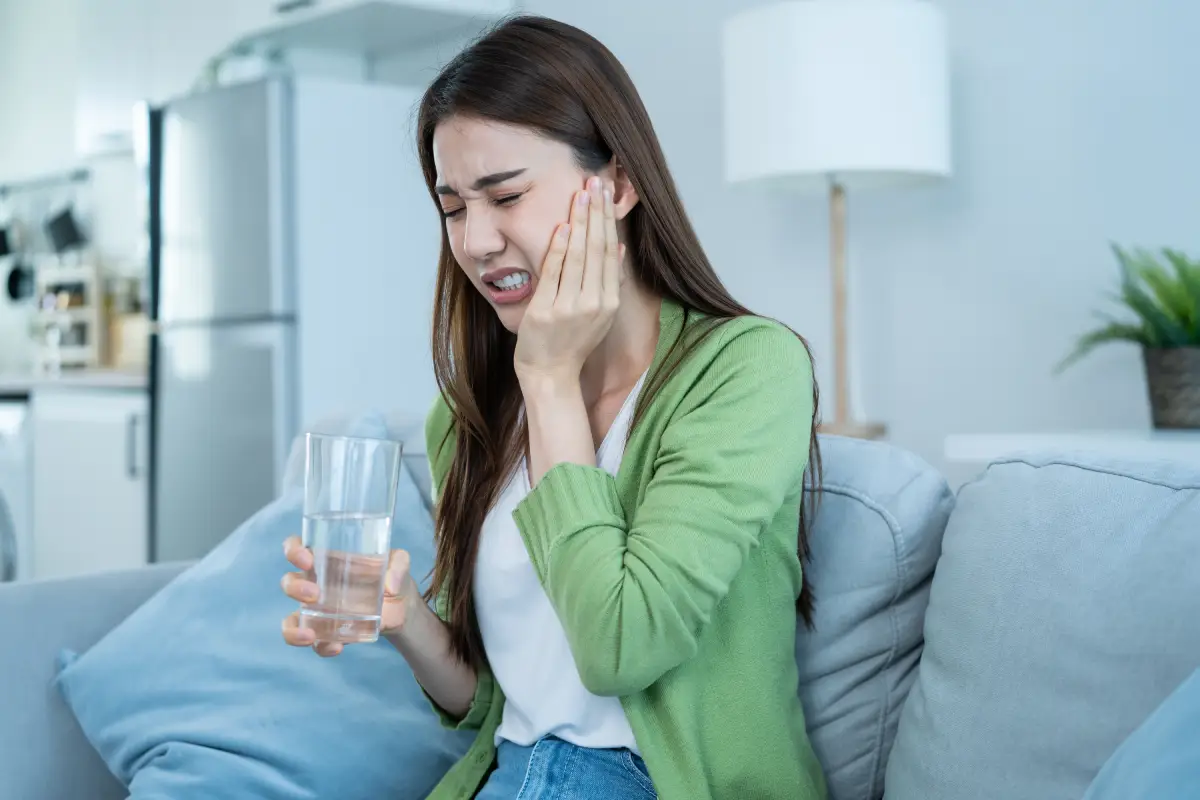
If your teeth hurt when you drink something cold, you are probably dealing with tooth sensitivity. A quick, sharp pain from ice water, a cold soda, or ice cream can happen when the protective enamel becomes thinner or when part of the tooth that normally stays covered becomes exposed.
Cold sensitivity does not always mean you have a cavity. Enamel wear, gum recession, tooth decay, a damaged restoration, and other dental problems can all cause similar symptoms. The timing, location, and duration of the pain can provide useful clues about what may be happening.
What Causes Teeth to Hurt From Cold?
Exposed Dentin
Dentin sits underneath the enamel and contains microscopic pathways that can transmit sensations toward the nerve inside the tooth. When enamel wears down or the gum recedes, dentin may become exposed.
Cold temperatures can stimulate these pathways and cause a sudden, sharp sensation. The discomfort often stops shortly after the cold substance is removed.
Tooth Decay
A cavity can make a tooth increasingly sensitive to cold as decay progresses through the protective structure of the tooth. You may notice sensitivity in one specific tooth, particularly when eating or drinking something cold.
Other signs can include a visible dark spot, a rough area, food getting trapped, or discomfort with sweet foods. However, some cavities cause few noticeable symptoms in their early stages.
Gum Recession
Your gums help protect the roots of your teeth. When gum tissue recedes, the root surface can become exposed.
Unlike the crown of a tooth, the root does not have a thick enamel covering. This can make exposed areas more sensitive to cold drinks and other temperature changes.
Enamel Wear
Enamel can gradually become thinner because of normal wear, acidic foods and drinks, or brushing with excessive pressure. Once the protective surface becomes compromised, sensitivity may become easier to trigger.
If a damaged area needs protection, restorative care may be appropriate. For example, tooth colored fillings can be used to restore certain areas affected by decay or damage.
A Damaged or Worn Filling
If cold sensitivity develops around a tooth that already has a filling, the restoration or the tooth underneath it may need to be examined. A filling can wear over time, and changes around the restored tooth can sometimes contribute to sensitivity.
Why Does Only One Tooth Hurt From Cold?
When only one tooth reacts strongly to cold, a localized dental problem may be involved. Decay, a damaged restoration, a crack, or exposed tooth structure can affect one tooth differently from the others.
The duration of the discomfort also matters. A brief sensation that stops quickly can have a different cause from pain that continues well after the cold drink is gone.
An oral health specialist can assess the tooth, gums, bite, and surrounding structures to help identify the source rather than treating sensitivity as a symptom on its own.
When Should You See a Dentist About Cold Sensitivity?
You do not necessarily need to worry about occasional, mild sensitivity. However, recurring or worsening symptoms deserve professional attention.
Consider scheduling an examination if:
- Cold sensitivity keeps returning
- One tooth is significantly more sensitive than the others
- Pain continues after the cold is removed
- The tooth also hurts when you bite or chew
- You notice a visible hole, crack, discoloration, or damaged filling
- Your gums are receding or bleeding around the sensitive area
Swelling, severe tooth pain, fever, or drainage should receive prompt dental attention.
A trusted dental care provider can examine the affected area and determine whether the sensitivity requires treatment.
Can You Prevent Cold Tooth Sensitivity?
Good daily habits can help protect enamel and gums. Use a soft bristled toothbrush, avoid brushing with excessive force, and limit frequent exposure to acidic foods and drinks.
Do not automatically switch to avoiding every cold food or beverage, though. If sensitivity keeps occurring, finding the underlying cause is more useful than simply avoiding the trigger.
Pay Attention to Persistent Sensitivity
A sharp reaction to a cold drink may seem easy to ignore, especially when the pain disappears within seconds. But repeated sensitivity can indicate a change in the tooth or surrounding tissues.
If you are looking for dental care in Silver Spring, Karr & Hardee Dentistry can evaluate the symptoms and help determine what is causing them.
Schedule an appointment if cold sensitivity keeps coming back, becomes stronger, or starts affecting your everyday eating and drinking. You can also find the office on the map.
FAQs About Tooth Sensitivity to Cold
1. Why do my teeth hurt when I drink cold water?
Cold water can trigger exposed dentin, enamel wear, gum recession, tooth decay, or problems involving an existing restoration.
2. Why does only one tooth hurt when I drink something cold?
Sensitivity in one tooth can point toward a localized issue such as decay, a damaged filling, a crack, or exposed tooth structure.
3. Why does cold sensitivity disappear quickly?
A brief response can occur when cold reaches exposed dentin and stimulates the pathways within it. The short duration does not identify the exact cause by itself.
4. Should I worry if my tooth hurts from cold but does not hurt otherwise?
Not necessarily, but recurring sensitivity should not be ignored. An examination can determine whether the tooth has an underlying problem that needs attention.
Recent Post

October 7, 2026
Do You Need a Bone Graft Before Dental Implants?

October 1, 2026
The Best Tools for Effective Teeth Cleaning at Home

September 21, 2026
Why Does My Jaw Hurt When I Wake Up?
September 14, 2026
Why Do My Teeth Hurt When I Drink Something Cold?
September 10, 2026
How Long Do Porcelain Bridges Really Last?
September 3, 2026
Dental Sealants for Kids: Are They Really Necessary?
August 27, 2026
Bleeding Gums When You Brush? Here’s What That Might Actually Mean

August 19, 2026
Electric or Manual: Which Toothbrush Actually Cleans Your Teeth Better?

August 13, 2026
How to Brighten Yellow Teeth at Home Naturally

August 5, 2026