New Patients Are Welcome!

Can Dental Implants Get Cavities?
March 20, 2025
Maintaining excellent oral hygiene is crucial for a confident smile and overall health. While brushing, flossing, and regular dental visits are essential for preventing cavities in teeth, you may be wondering – are dental implants at risk?
Can an implant tooth develop cavities like natural teeth? This blog delves into the connection between dental implants and cavity in teeth, explaining why implants are designed to be cavity-resistant and offering the best ways to ensure their long-term durability. Stay informed and learn how to protect your investment in a healthy, lasting smile.
What Are The Functions Of Titanium Tooth Implants?
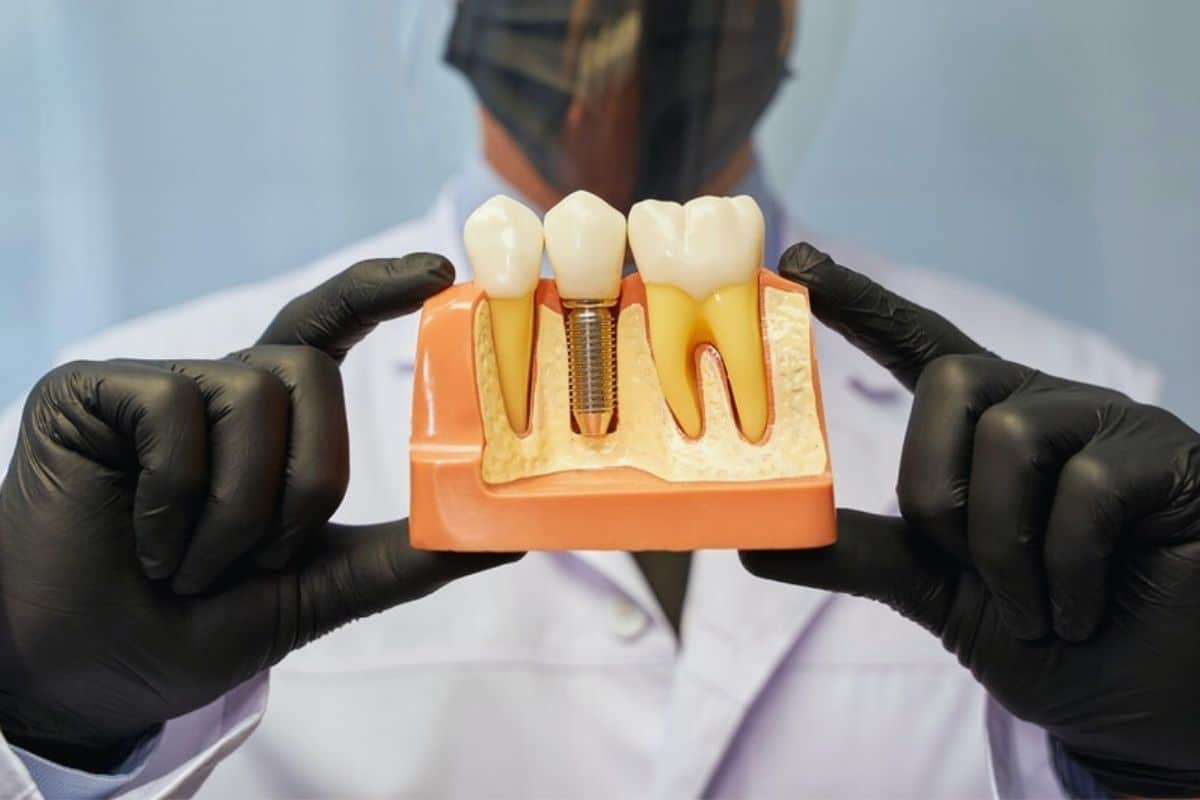
They are the best alternatives to missing teeth, helping to restore your smile’s natural look and function. These dental restoration options are made with titanium in dental implants and consist of three parts: an implant fixture, an abutment, and a crown. The dentist will carefully position the implant fixture in the jaw during the treatment.
The titanium dental implant integrates with the bone through osseointegration, forming a strong foundation. The abutment acts as a link, connecting the implant fixture to the crown, which mimics a natural tooth. This advanced design ensures that the new titanium implant teeth will be stable and long-lasting, providing the durability and strength of titanium teeth.
Formation Of Cavities In Natural Teeth
To determine if prosthetic teeth can lead to cavities, we should first examine how cavities form in natural teeth. Natural teeth are prone to cavities because they have enamel, a porous substance that safeguards them from harmful bacteria.
Tooth decay occurs when bacteria in the mouth generate acids that attack the enamel, resulting in demineralization and cavities. Plaque, a buildup of bacteria, collects on teeth and consumes sugars from the food you eat daily, creating acids as a byproduct. If not addressed, cavities can penetrate the enamel and reach the tooth’s pulp, leading to an abscess and potentially tooth loss.
Could Cavities Affect Your Implants?
Many individuals question whether dental implants can lead to cavities, but the good news is that they cannot. Artificial tooth roots are not prone to cavities because they lack a vital element of natural teeth: tooth enamel. Plague cannot penetrate and harm the artificial tooth since they are composed of materials like titanium or zirconia.
Nonetheless, prosthetic teeth are cavity-resistant, but this does not imply that implant-supported restorations are entirely free from oral health concerns. Oral problems can still impact the surrounding gum tissues and implant components.
For example, poor oral hygiene can result in peri-implantitis, a condition similar to gum disease that specifically targets the tissues around dental implants. This issue involves inflammation and infection of the gums and can lead to bone loss and implant failure if left untreated.
Hence, maintaining good oral hygiene practices is crucial to preventing peri-implantitis and guaranteeing long-term success.
Dental Implant Care And Maintenance
Basic Oral Hygiene Practices
Maintaining good oral hygiene is crucial for the health and durability of your titanium dental posts. Essential practices include brushing your teeth twice daily, flossing daily, and using an antiseptic mouthwash to eliminate bacteria and freshen your breath.
Brushing Your Teeth
To effectively care for your dental implants, brush your teeth twice daily. Opt for a soft-bristled toothbrush and toothpaste designed explicitly for prosthetic teeth. Ensure you clean all areas of your teeth, such as the tops, sides, chewing surfaces, and gum lines.
Flossing
Flossing is vital in eliminating plaque and food debris between your teeth and around your titanium tooth root. To make flossing around the implant post easier, use a floss threader or special dental floss tailored for dental implants.
Rinsing Your Mouth
Apart from following oral hygiene for dental implants, rinsing your mouth after meals is a key step in maintaining the health of your artificial tooth. It helps remove leftover food debris and bacteria that might contribute to plaque and tartar formation around the implant post.
Utilize an antiseptic mouthwash meant for prosthetic teeth. Rinse the mouthwash around your mouth for 30 seconds to a minute, ensuring coverage of all areas, including the implant site. Afterward, spit out the mouthwash and rinse your mouth with water.
Routine Visits to the Dental Care Provider
Frequent dental examinations and cleanings are vital for maintaining optimal oral health and ensuring your dental posts remain in excellent condition. The professionals will evaluate your implants for any signs of wear or damage and clean and polish them to eliminate plaque and tartar accumulation.
Dental implants are a leading solution for restoring a healthy, confident smile. With proper care, including a consistent oral hygiene routine, mindful lifestyle choices, and regular dental check-ups, your implants can last for years.
At Karr & Hardee Dentistry Amarillo, we specialize in high-quality dental implant care tailored to your needs. Schedule a apnpointment with our dentist in Amarillo, TX, today and take the next step toward a lasting, beautiful smile.
Recent Post

October 7, 2026
Do You Need a Bone Graft Before Dental Implants?

October 1, 2026
The Best Tools for Effective Teeth Cleaning at Home

September 21, 2026
Why Does My Jaw Hurt When I Wake Up?

September 14, 2026
Why Do My Teeth Hurt When I Drink Something Cold?
September 10, 2026
How Long Do Porcelain Bridges Really Last?
September 3, 2026
Dental Sealants for Kids: Are They Really Necessary?
August 27, 2026
Bleeding Gums When You Brush? Here’s What That Might Actually Mean

August 19, 2026
Electric or Manual: Which Toothbrush Actually Cleans Your Teeth Better?

August 13, 2026
How to Brighten Yellow Teeth at Home Naturally

August 5, 2026