New Patients Are Welcome!

How Do Dentists Restore Damaged Teeth?
April 14, 2026
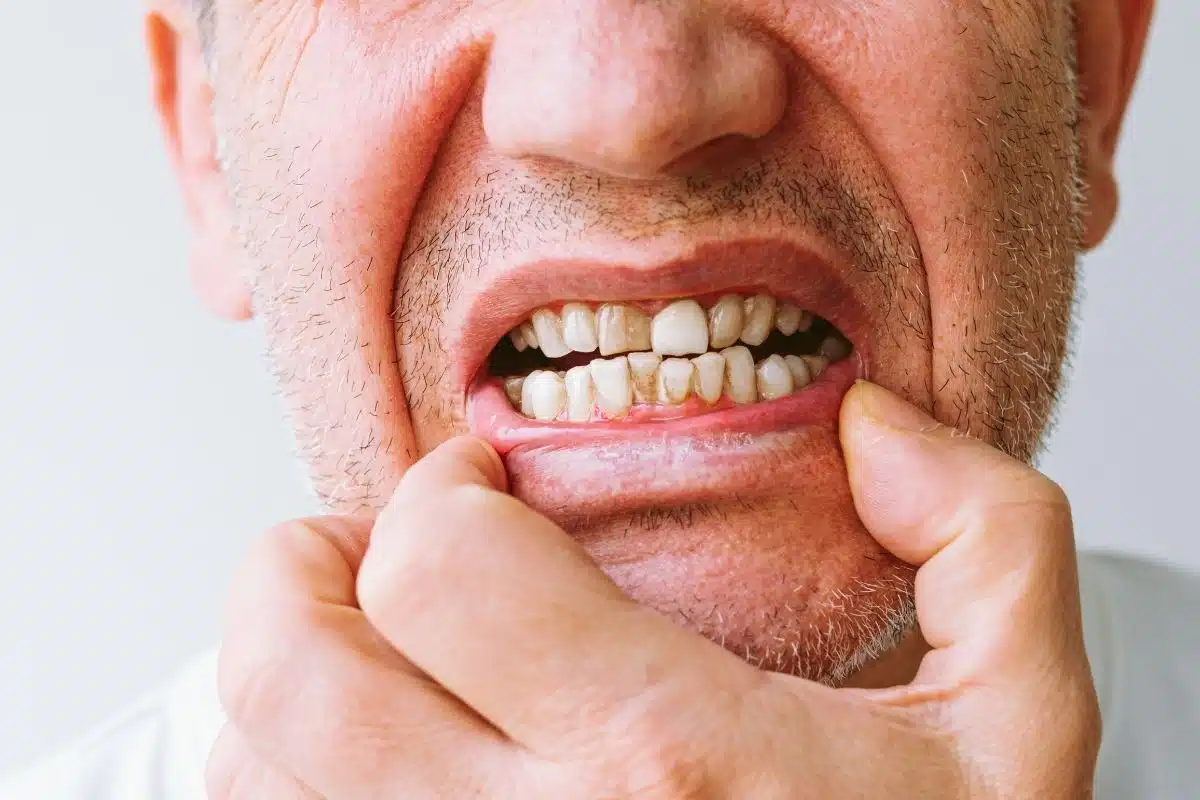
Tooth damage rarely happens at a convenient time. A sudden chip, lingering sensitivity, or a worn surface can quickly affect how you eat and speak. Ignoring these signs often leads to deeper issues that take longer to manage. That is why timely care plays a key role in preserving your natural teeth and overall oral health. Dental practitioners use a range of techniques to rebuild strength, restore function, and improve appearance. These solutions focus on saving what remains of the tooth while preventing further breakdown.
Whether the damage is minor or more advanced, the right approach helps bring stability back to your bite. In a city like Amarillo, the local environment can be tough on your smile. Between the constant dry winds and the dust blowing in from places like Palo Duro Canyon, many residents experience accelerated enamel wear or persistent sensitivity. When grit and dry air are part of daily life, teeth can become brittle or worn down faster than expected.
At Karr & Hardee Dentistry, we focus on practical, durable solutions for the families of the Texas Panhandle. We know that life in Amarillo requires dental work that is strong enough to last. Our team is committed to providing a high standard of restorative care in a professional environment, ensuring that every patient leaves our office with a smile that feels as good as it looks. If you are exploring options for repairing damaged teeth, we encourage you to call our office at (806) 352-2800.
What Causes Teeth to Become Damaged?
Tooth damage is often not caused by a single event. Instead, it can gradually develop over time because of daily habits or environmental factors. In our area, these issues can be compounded by the dry climate and local conditions. Some of the most common reasons include:
- Tooth decay that weakens the internal structure
- Grinding or clenching during sleep, often made worse by stress or allergies
- Cracks caused by biting down on hard foods or objects
- Old fillings that are beginning to wear down or pull away from the tooth
- Natural enamel erosion that occurs with age or exposure to abrasive elements
How Do Dentists Evaluate Tooth Damage?
Before recommending a specific treatment, dentists perform a detailed evaluation. This step ensures that the chosen solution aligns perfectly with the current condition of your tooth and your long-term health goals. During an exam, they typically assess:
- The depth and location of the damage to determine the most conservative repair option
- The strength of the remaining tooth structure to ensure it can support a restoration
- Gum and bone health in the area surrounding the affected tooth
- Bite alignment and pressure points to prevent future damage to the new dental work
At our dental office, we use digital imaging and thorough visual exams to identify underlying concerns that may not be visible at first glance. This careful approach allows our team to create a plan that restores both the beauty and the function of your smile.
Dental Treatments to Restore Damaged Teeth
Restoration focuses on rebuilding both strength and function. Each treatment is selected based on how much of the natural tooth remains and the specific level of support required to maintain oral health.
Dental Fillings for Minor Damage
Fillings are the primary solution for small areas of decay or minor fractures. The process involves removing the damaged portion of the tooth and filling the space with a durable material, such as composite resin. This restores the tooth’s shape and prevents bacteria from spreading deeper into the structure.
Dental Veneers for Cosmetic and Surface Damage
For damage that is largely cosmetic and confined to the front surface of a tooth, veneers offer a practical solution. These thin, custom-made shells are bonded to the enamel to repair small chips, gaps, or severe discoloration. While they improve the appearance of the smile, they also provide a reinforced surface for the natural tooth.
Dental Crowns for Structural Support
Crowns are designed to wrap around the entire visible part of a damaged tooth, serving as a protective cap. This is a common choice when a tooth has extensive decay, a crack that threatens its stability, or has become brittle after a root canal. Crowns restore the tooth to its original size and strength while protecting it from further breakdown.
Root Canal Therapy for Deep Damage
When decay or an injury reaches the inner pulp of the tooth, root canal therapy is performed to remove the infected tissue and save the tooth. Once the canal is cleaned and sealed, the tooth is typically strengthened with a crown. This approach allows the natural tooth to remain in place, helping to avoid the need for an extraction.
Solutions for Missing Teeth
When a tooth is missing or cannot be saved, several restorative options are available to fill the gap and maintain the alignment of the bite:
- Bridges: These use the neighboring healthy teeth for support, holding a replacement tooth in place. This prevents surrounding teeth from shifting and maintains a natural smile.
- Dentures: For cases where multiple teeth are missing, dentures help restore chewing ability and facial balance. Modern designs focus on a secure fit and a natural appearance.
- Dental Implants: This permanent solution involves a post that acts as a tooth root, providing a standalone foundation for a crown without affecting the adjacent teeth.
Why Quality Restoration Matters
Choosing the right treatment is about more than just a quick fix. It is about protecting the integrity of the jaw and the health of the remaining teeth. Addressing damage early with the appropriate restoration ensures that the smile remains functional and resilient against the daily wear and tear.
How Dental Restoration Treatment Works?
Understanding the core approach behind these dental restoration procedures helps clarify how dental professionals rebuild damaged teeth. Here is how these treatments work:
Preserving Natural Tooth Structure
The main goal is to preserve as much of the natural tooth as we can. Keeping more of the original tooth helps ensure better strength and durability over time.
Reinforcing Weak Areas
Materials used in restorations not only strengthen your teeth but also help them withstand daily pressure, making them more durable and reliable for everyday use.
Restoring Function and Bite
A well-restored tooth helps you chew and talk normally. It also protects the nearby teeth from unnecessary strain, keeping your mouth healthy and comfortable.
Improving Appearance
Restorations beautifully match the natural color and shape of your teeth, helping you keep a balanced and confident smile.
What Treatment Is Right for You?
Each situation is unique, and finding the perfect solution really depends on how much damage there is and your overall oral health. Here’s a handy, quick guide to help you understand better:
- Small damage → Filling or Veneers
- Moderate damage → Crown
- Missing tooth → Bridge or denture or implants
- Deep infection → Root canal + crown
Signs You Should Not Ignore
Certain symptoms clearly show when a tooth needs help. If you overlook these signs, the problem could become worse. Keep an eye out for:
- Pain when biting
- Sudden sensitivity to hot or cold
- Visible cracks or chips
- Dark spots or discoloration
- A feeling that the tooth is weak
If these signs appear, seeking care sooner improves outcomes.
Ways to Maintain Restored Teeth
Taking good care after treatment helps ensure lasting success by promoting healing, preventing complications, and maintaining the benefits achieved. Here are some tips:
Daily Care Matters
Remember to brush twice a day and gently clean between your teeth. Taking these simple steps helps prevent decay around your restorations, keeping your smile healthy and bright.
Avoid Excess Pressure
Try to avoid habits such as chewing ice or grinding, as they can sometimes harm your restored teeth.
Routine Dental Visits
Regular exams help catch issues early, making it easier to make small adjustments before they turn into bigger problems. Taking these steps can really make a positive difference.
Finding the Right Care Provider
Choosing the right provider is essential to ensuring your treatment is accurate and built to last. When selecting a dental team to restore your smile, look for:
- Clear explanations regarding all your available treatment options
- A clinical focus on preserving your natural teeth whenever possible
- A personalized approach that addresses your specific comfort and health goals
If you have been searching for a dental office in your area to repair damaged teeth, we are here to help. Our office is conveniently situated on South Soncy Road, making us a central choice for residents across the Texas Panhandle. Whether you are coming from nearby shopping centers in Southwest Amarillo or commuting from neighborhoods like The Colonies or Sleepy Hollow, our team is dedicated to providing high-quality care that fits your schedule.
We believe that every patient deserves a smile that is both healthy and resilient. If you are ready to explore your options for restorative care, we invite you to schedule a consultation with our team today to discuss how we can help you regain your confidence.
A Stronger Smile Starts with the Right Care
Damage to your teeth does not have to interfere with your daily life. Thanks to modern restorative treatments, it is possible to rebuild the strength of your enamel and bring back a fully functional, confident smile. Because dental issues tend to progress over time, acting early is the most effective way to keep treatments simple and preserve as much of your natural tooth structure as possible.
FAQs
1. Can a damaged tooth heal on its own?
No, a damaged tooth does not repair itself. Minor sensitivity may improve temporarily, but structural issues require treatment. Early care prevents further deterioration and protects surrounding teeth.
2. Is it possible to save a severely cracked tooth?
In many cases, yes. Treatment depends on how deep the crack extends. Options may include protective coverage or internal treatment to stabilize the tooth and restore function.
3. Do restored teeth feel different from natural teeth?
Initially, there may be slight sensitivity or awareness. Over time, most restorations feel natural. Proper adjustment ensures comfort during chewing and normal daily use.
4. How soon should treatment begin after noticing damage?
Prompt attention is important. Waiting allows damage to worsen, which may lead to more complex procedures. Early care often results in simpler and more predictable outcomes.
5. Can restored teeth still get cavities?
Yes, decay can still develop around restored areas. Good hygiene and regular checkups help prevent new issues and maintain the integrity of the restoration.
6. What happens if a damaged tooth is left untreated?
The condition may worsen over time. This can lead to infection, increased pain, or loss of the tooth. Addressing the issue early helps preserve structure and avoid complications.
Recent Post

October 7, 2026
Do You Need a Bone Graft Before Dental Implants?

October 1, 2026
The Best Tools for Effective Teeth Cleaning at Home

September 21, 2026
Why Does My Jaw Hurt When I Wake Up?

September 14, 2026
Why Do My Teeth Hurt When I Drink Something Cold?
September 10, 2026
How Long Do Porcelain Bridges Really Last?
September 3, 2026
Dental Sealants for Kids: Are They Really Necessary?
August 27, 2026
Bleeding Gums When You Brush? Here’s What That Might Actually Mean

August 19, 2026
Electric or Manual: Which Toothbrush Actually Cleans Your Teeth Better?

August 13, 2026
How to Brighten Yellow Teeth at Home Naturally

August 5, 2026