New Patients Are Welcome!

How Long Can You Go Without Replacing a Missing Tooth?
May 8, 2026
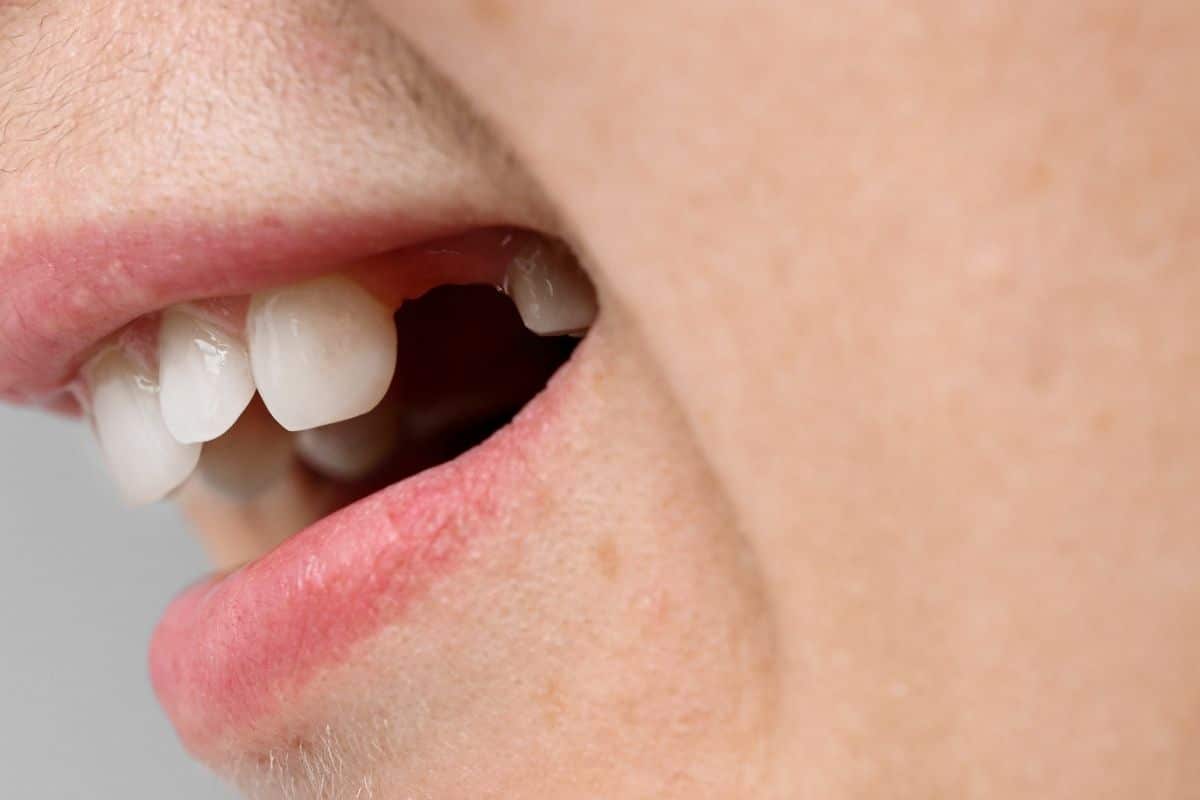
Losing a tooth is more common than many people realize. Whether it happens because of decay, gum disease, trauma, or an extraction, it can be tempting to delay treatment, especially if the missing tooth is not visible when you smile. Many patients assume they can wait months or even years before replacing it.
The reality is that a missing tooth can affect far more than your appearance. Over time, it may impact your oral health, your bite, your confidence, and even your ability to eat comfortably.
At Karr & Hardee Dentistry, we help our Amarillo families understand their tooth-replacement options and how timing can affect long-term dental health. If you are wondering how long you can safely go without replacing a missing tooth, here is what you should know.
Is It Dangerous to Leave a Missing Tooth Untreated?
In some cases, patients can function for a while with a missing tooth. However, “functioning” and “maintaining long-term oral health” are not the same thing.
When a tooth is lost, the surrounding teeth and jawbone begin to change almost immediately. Your mouth is designed for every tooth to support the others. Once one is missing, that balance starts to shift.
The longer the space remains untreated, the greater the risk of complications such as:
- Bone loss in the jaw
- Shifting teeth
- Bite misalignment
- Increased wear on surrounding teeth
- Difficulty chewing
- Changes in speech
- Higher risk of gum disease and decay
- Facial sagging over time
These changes often happen gradually, which is why many people do not notice them right away.
What Happens Right After Losing a Tooth?
The first major change occurs below the gumline.
Your tooth roots stimulate the jawbone whenever you chew. Once the tooth is gone, that stimulation stops. The body begins to reabsorb the bone in that area because it no longer serves the same purpose.
Bone loss can begin within the first few months after tooth loss. Over time, the jawbone may shrink significantly.
At the same time, nearby teeth can start drifting toward the empty space. Opposing teeth may also move out of alignment because they no longer have contact with the missing tooth.
Even if the gap seems minor at first, these structural changes can eventually affect your entire bite.
How Long Can You Wait Before Replacing a Missing Tooth?
There is no universal timeline that applies to everyone. The “right” timing depends on several factors, including:
- Which tooth is missing
- Your overall oral health
- Bone density
- Whether gum disease is present
- Your bite alignment
- The type of replacement planned
That said, most dentists recommend exploring replacement options as soon as reasonably possible to minimize bone loss and prevent shifting teeth.
For many patients, waiting a few weeks or months may not create major problems. Waiting several years, however, can lead to more complex treatment needs.
Why Dental Implants Are Often Recommended
When discussing tooth replacement, dental implants are widely considered one of the most effective long-term solutions.
Unlike removable appliances, implants replace both the visible tooth and the root beneath the gums. This helps preserve jawbone health while restoring function and appearance.
Dental implants are designed to:
- Look natural
- Feel secure when chewing and speaking
- Support surrounding bone structure
- Prevent neighboring teeth from shifting
- Provide long-lasting durability
Because implants integrate with the jawbone, they can help reduce the bone deterioration that often follows tooth loss.
Whether you live in Amarillo, have recently moved to the area, or are exploring options to replace a missing tooth, our office is here to help you find the right treatment for you and your family. We are conveniently located in Southwest Amarillo and can be reached at (806) 352-2800.
Does Bone Loss Mean You Cannot Get Dental Implants?
Not necessarily.
Even if you have been missing a tooth for years, you may still qualify for dental implants. However, additional procedures may sometimes be needed if significant bone loss has occurred.
In certain cases, bone grafting can rebuild enough support for successful implant placement. This is one reason early evaluation matters. The sooner the area is assessed, the more treatment options may be available.
What If the Missing Tooth Is in the Back of the Mouth?
Patients often delay treatment when a molar or premolar is missing because it is less visible.
While this is understandable, back teeth play a major role in chewing and maintaining bite stability. Missing molars can place extra pressure on remaining teeth, increasing wear and potentially contributing to jaw discomfort over time.
Even a single missing back tooth can affect how your upper and lower teeth fit together.
Can Missing Teeth Affect Overall Health?
Research continues to show strong connections between oral health and overall wellness.
Difficulty chewing may lead some people to avoid nutritious foods like fruits, vegetables, and lean proteins. Misaligned teeth can also become harder to clean properly, increasing the risk of gum disease and decay.
Additionally, untreated tooth loss may contribute to reduced self-confidence and social discomfort for some individuals.
Replacing missing teeth is not only about aesthetics. It can also support long-term oral function and quality of life.
Signs It Is Time to Replace a Missing Tooth
If you have been living with tooth loss, consider scheduling an evaluation if you notice:
- Teeth shifting or crowding
- Difficulty chewing certain foods
- Jaw soreness or bite changes
- Increased tooth sensitivity
- Changes in facial appearance
- Embarrassment when smiling or speaking
These symptoms may indicate that the missing tooth is beginning to affect surrounding structures.
Exploring Your Tooth Replacement Options
Every patient’s situation is unique. The best treatment depends on your oral health, goals, and budget.
At Karr & Hardee Dentistry, we work closely with patients to explain available solutions and create personalized treatment plans. Whether you recently lost a tooth or have been missing one for years, an evaluation can help determine the next best step for protecting your oral health.
Our office is located within the 3501 Soncy MedCenter in Southwest Amarillo. We proudly serve patients from across the city and surrounding areas, including The Colonies and The Greenways.
Do Not Wait Too Long to Replace a Missing Tooth
While you may be able to go months or even years without replacing a missing tooth, delaying treatment can lead to problems that become more difficult and costly to correct later. Bone loss, shifting teeth, bite changes, and reduced chewing function often develop gradually, even if you do not notice symptoms right away.
The good news is that modern tooth replacement options can restore both function and appearance while helping protect your long-term oral health. Dental implants, in particular, offer a stable and natural-looking solution that can help preserve the jawbone and support a healthy smile for years to come.
If you have a missing tooth and are unsure about your next steps, an evaluation can help you understand your options and determine the best timing for treatment.
Recent Post

October 7, 2026
Do You Need a Bone Graft Before Dental Implants?

October 1, 2026
The Best Tools for Effective Teeth Cleaning at Home

September 21, 2026
Why Does My Jaw Hurt When I Wake Up?

September 14, 2026
Why Do My Teeth Hurt When I Drink Something Cold?
September 10, 2026
How Long Do Porcelain Bridges Really Last?

September 3, 2026
Dental Sealants for Kids: Are They Really Necessary?
August 27, 2026
Bleeding Gums When You Brush? Here’s What That Might Actually Mean

August 19, 2026
Electric or Manual: Which Toothbrush Actually Cleans Your Teeth Better?

August 13, 2026
How to Brighten Yellow Teeth at Home Naturally

August 5, 2026