New Patients Are Welcome!

Tips for Dental Implant Aftercare for Long-Term Oral Health
October 18, 2023
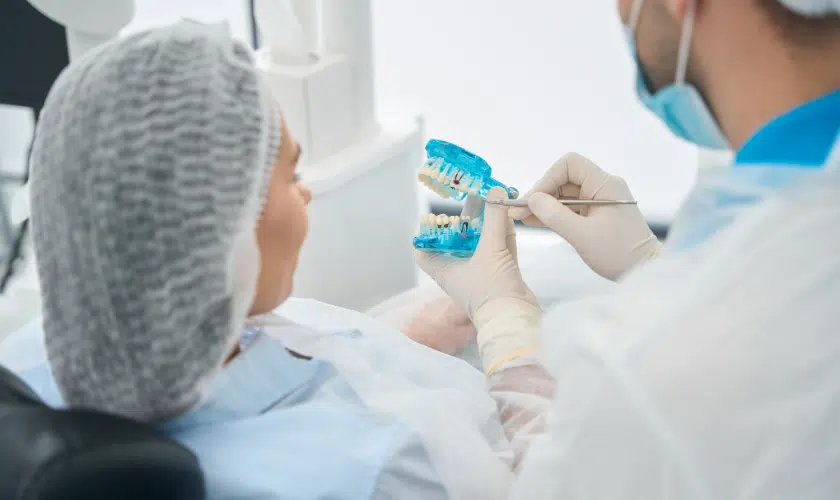
Dental implants have revolutionized the way we address tooth loss, offering a long-lasting and natural-looking solution that supports both oral health and appearance. If you’ve chosen this option to restore your smile, proper care is essential for success.
Maintaining your implant teeth involves more than just routine brushing – it requires mindful habits and regular checkups to protect your investment.
In this blog, we will cover the important steps for dental implants aftercare, including cleaning techniques and lifestyle adjustments. With the right aftercare dental implant routine, you can enjoy a healthy, confident smile for years to come.
1. Good Oral Hygiene
Daily brushing and flossing are crucial to protect your dental implants from plaque buildup and potential infection. Use a soft-bristled toothbrush and fluoride toothpaste to keep your mouth clean and healthy.
2. Floss Daily
Flossing removes food particles and plaque from areas your toothbrush can’t reach. Consistent aftercare for implant includes cleaning between teeth and around the implant base to prevent gum inflammation.
3. Regular Dental Check-ups
Professional cleanings and exams help your dentist monitor your implant teeth and address any early signs of complications. Visiting your dentist every six months is a key part of implant success.
4. Implant-Safe Products
When caring for your new smile, avoid harsh oral care tools that may damage implant surfaces. Use non-abrasive toothpaste and mouthwash designed for post dental implant care.
5. Avoid Tobacco
Smoking or chewing tobacco significantly increases the risk of implant failure and gum disease. Cutting out tobacco is one of the most beneficial steps in your dental implants aftercare journey.
6. Limit Alcohol Consumption
Excessive alcohol consumption can interfere with healing and contribute to dry mouth. A balanced approach to drinking supports long-term aftercare dental implant health.
7. Mindful of Diet
Avoid sticky, sugary, or acidic foods that can affect both your gums and implants. Healthy nutrition helps maintain the stability and longevity of your dental implants.
8. Bite with Caution
Dental implants are robust, but they aren’t indestructible. Be mindful of biting on hard objects like ice, pens, or tough food items to avoid damage.
9. Manage Teeth Grinding
Bruxism (teeth grinding) can put stress on your dental implants. If you grind your teeth, consider a nightguard to protect your implants.
10. Avoid Excessive Force
Dental implants are strong, but they can be damaged by excessive force. Avoid habits like opening bottles with your teeth to prevent any issues.
11. Anti-Bacterial Mouthwash
Consider using an anti-bacterial mouthwash as part of your oral hygiene routine to help reduce the risk of infection around your dental implants.
12. Handle Sensitivity
If you experience increased sensitivity around your dental implants, consult your dentist. It could indicate an issue that needs addressing.
13. Stay Hydrated
Drinking plenty of water helps maintain overall oral health. It encourages saliva production, which naturally cleanses the mouth.
14. Follow Post-Treatment Instructions
Caring for your new smile doesn’t stop after the procedure—it’s an ongoing commitment that can make all the difference. With proper dental implants aftercare, your implants can look, feel, and function like natural teeth for years to come. From choosing implant-safe products to maintaining regular check-ups, every step of your aftercare routine supports long-term success and oral health. If you’re considering implant teeth or need guidance on maintaining them, our team is here to help.
Ready to protect your smile investment? Schedule a consultation or follow-up at our office today and get expert advice on how to care for your dental implants.
FAQs
Q. Do and Don’ts After Tooth Implant?
A: Keep your head elevated above your heart, especially while resting or sleeping, unless you feel faint. For the first 24 hours, avoid spitting, bending over, using straws, or rinsing your mouth to prevent dislodging the blood clot. Refrain from strenuous activity and smoking for at least 10 days to promote healing. If your dentist prescribed an oral rinse, continue using it for 2 weeks or as directed.
Q. What is The 3/2 Rule For Dental Implants?
A: For optimal placement, the implant should be positioned 3 mm apically from the cervical contour and 2 mm palatally. Ensure 2 mm of buccal bone remains to prevent resorption. If the bone is already 3 mm from the cervical contour, the implant can align with the bone level.
Q. What is The Best Aftercare For Dental Implants?
A: The above blog highlights the best approach to consider for ensuring dental implants aftercare.
Recent Post

October 7, 2026
Do You Need a Bone Graft Before Dental Implants?

October 1, 2026
The Best Tools for Effective Teeth Cleaning at Home

September 21, 2026
Why Does My Jaw Hurt When I Wake Up?

September 14, 2026
Why Do My Teeth Hurt When I Drink Something Cold?
September 10, 2026
How Long Do Porcelain Bridges Really Last?
September 3, 2026
Dental Sealants for Kids: Are They Really Necessary?
August 27, 2026
Bleeding Gums When You Brush? Here’s What That Might Actually Mean

August 19, 2026
Electric or Manual: Which Toothbrush Actually Cleans Your Teeth Better?

August 13, 2026
How to Brighten Yellow Teeth at Home Naturally

August 5, 2026