New Patients Are Welcome!

Sensitive Teeth at Night: Why It Happens and What to Do
January 21, 2026
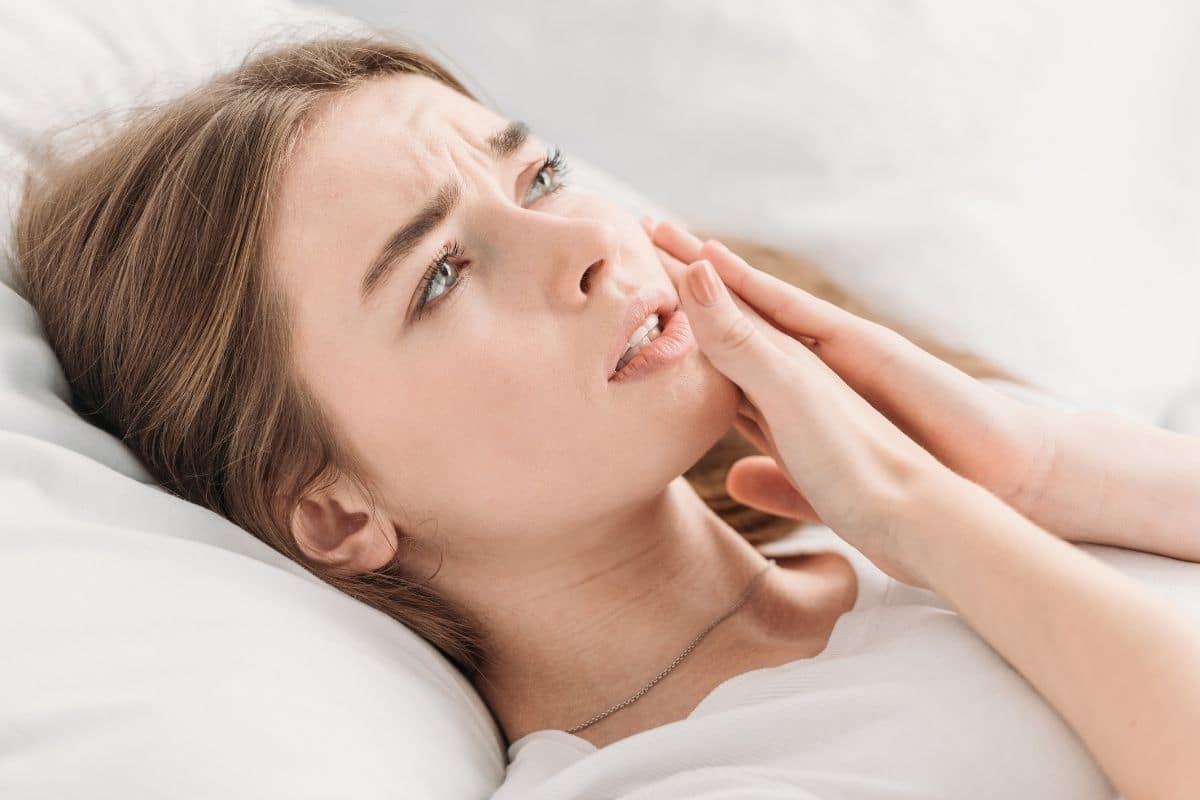
Waking up with a sudden zing in your tooth or feeling discomfort as soon as you lie down can be frustrating and even scary. For many people, tooth discomfort feels stronger at night, even if it seemed minor earlier in the day.
In this guide, we’ll explain why teeth may feel more sensitive at night, what commonly causes the pain, and the safest ways to get relief at home. We’ll also cover the signs that mean it’s time for a dental exam, since nighttime tooth pain can sometimes point to an issue that needs professional care.
Why Identifying the Cause Matters
Nighttime tooth sensitivity can be tricky because several conditions can cause the same symptom. A cavity, gum recession, enamel wear, teeth grinding, or even a small crack can all create similar discomfort, especially when you’re trying to sleep.
At Karr & Hardee Dentistry, Dr. Karr and Dr. Hardee take a step-by-step approach to identify the real cause rather than just treating the symptom. During a routine checkup at our Amarillo office, our team typically checks for early decay, worn enamel, gum changes, bite pressure, and signs of grinding so we can recommend the right solution based on what your tooth actually needs.
If sensitive teeth at night keep happening or are disrupting your sleep, it may be time for an exam to prevent the problem from getting worse.
Common Causes of Sensitive Tooth
There are several possible reasons for sensitive teeth, ranging from mild enamel wear to infections that need quick treatment. Below are the most common causes:
1) Worn enamel (exposed dentin)
Enamel protects the inner layers of the tooth. When enamel becomes thin from grinding, acidic foods, aggressive brushing, or normal wear over time, the tooth can react strongly to temperature and pressure.
You may notice:
- sensitivity to cold drinks
- discomfort when breathing in cool air
- pain that comes and goes
2) Gum recession
When gums pull back, the tooth root can become exposed. Roots don’t have enamel like the crown of the tooth, so they can feel sensitive, especially at night.
You may notice:
- sensitivity near the gumline
- pain when brushing
- teeth looking “longer” than before
3) Cavities or leaky fillings
A cavity does not always hurt right away. But once decay gets closer to the nerve, you may start noticing discomfort when you lie down or after eating sweets.
If you have sensitive teeth and one specific tooth seems to be the problem, a cavity is one of the first things we check for.
4) Teeth grinding (bruxism)
Grinding and clenching can strain the ligaments around the tooth and wear down enamel. People often grind more at night without realizing it.
Clues include:
- waking up with jaw tightness
- headaches in the morning
- flat or chipped teeth
- tooth soreness without visible decay
5) Cracked tooth
Small cracks can be hard to detect without an exam. A cracked tooth can cause sharp pain that’s easy to confuse with sensitivity.
Pain often feels like:
- quick “electric” pain when chewing
- sensitivity that spikes suddenly
- discomfort that worsens over time
6) Sinus pressure (upper back teeth)
Upper molars sit close to the sinus cavity. When sinus pressure increases, it can mimic tooth pain, especially when lying down.
If the pain shifts locations or feels more like pressure than sensitivity, sinus involvement may be part of the picture.
Why Tooth Sensitivity Feels Worse at Night
If you’ve noticed sensitive teeth at night, there are a few reasons it can feel more intense after dinner or when you’re trying to sleep:
- Fewer distractions: At night, you’re not busy working or talking, so the discomfort feels stronger.
- Lying down increases blood flow to the head: This can increase pressure in inflamed tooth nerves.
- Jaw clenching is more likely in the evening: Stress-related clenching often peaks at night or happens during sleep.
- Temperature changes: Many people drink cold water at night, which can trigger a sensitive tooth.
If the discomfort is frequent, it usually means something is irritating the tooth nerve or exposing sensitive areas of the tooth.
What You Can Do at Home
Tooth sensitivity that shows up at night can sometimes be managed with a few simple changes. These steps may help reduce discomfort and protect the tooth until you can be evaluated.
Switch to a sensitivity toothpaste
Choose a toothpaste formulated for tooth sensitivity, such as one containing potassium nitrate or stannous fluoride. For best results, use it consistently for at least two weeks.
Tip: Before bed, apply a thin layer to the sensitive area and spit. Do not rinse right away, since leaving it on longer helps the ingredients work.
Avoid triggers before bedtime
Certain foods and drinks can make sensitivity more noticeable at night. Try to avoid:
- ice water
- acidic drinks (soda, citrus, sports drinks)
- very hot coffee or tea
- sugary snacks
These triggers can make sensitive teeth feel more intense at night or make the sensitivity linger longer.
Use a soft toothbrush and gentle pressure
Brushing too hard can wear enamel and worsen gum recession. Use a soft-bristled toothbrush, brush gently for two minutes, and focus on technique rather than pressure.
Try a warm saltwater rinse
Mix 1/2 teaspoon of salt in a cup of warm water. Swish for about 30 seconds, then spit. This can help soothe irritated gums and reduce inflammation around the tooth.
When to Consult a Dentist for Tooth Sensitivity
Occasional tooth sensitivity at night may improve with consistent home care. However, recurring discomfort often points to an underlying cause that needs attention. Nighttime sensitivity can be linked to enamel wear, gum recession, grinding, cavities, or even a small crack in the tooth.
At Karr & Hardee Dentistry, our team can evaluate what’s causing the sensitivity and recommend the most appropriate next step. If you’ve been dealing with sensitive tooth pain at night, we encourage you to visit us for a routine exam to get clear answers and lasting relief.
We recommend scheduling a dental exam if you notice:
- sensitivity lasting longer than two weeks
- pain that wakes you up
- swelling or a gum bump
- pain when biting or chewing
- sensitivity in one specific tooth that is getting worse
- bad taste, drainage, or fever
These signs can indicate decay, a crack, or an infection that will not resolve without professional treatment.
Our office is conveniently located near the intersection of S. Soncy Road in west Amarillo, and we welcome individuals from nearby areas seeking guidance and solutions for better oral health.
Quick Comparison: Normal Sensitivity vs. Visit Needed
| Symptom | Normal Sensitivity (Monitor at Home) | Visit Needed (Schedule a Dental Exam) |
| How often it happens | Occasional | Frequent or recurring, especially at night |
| How long it lasts | Quick twinge (seconds) | Lingering or repeated pain (minutes or longer) |
| Pain intensity | Mild discomfort | Moderate to severe pain |
| Sleep impact | Does not affect sleep | Wakes you up or disrupts sleep |
| Triggers | Cold, hot, sweet, acidic foods | No clear trigger, or pain occurs while resting |
| Location | Multiple teeth or generalized sensitivity | One specific tooth feels worse or is worsening |
| Chewing/biting | No pain when chewing | Pain when chewing or applying pressure |
| Gum changes | No swelling or gum bump | Swelling, gum bump, tenderness, or redness |
| Bad taste/drainage | None | Bad taste, drainage, or fever |
| Response to sensitivity toothpaste | Starts improving within 1–2 weeks | No improvement after 2 weeks or pain worsens |
The Bottom Line
Sensitive teeth at night can feel worse because of pressure changes, clenching, and nerve irritation. In some cases, it’s related to enamel wear or gum recession. In others, it may be the early sign of a cavity, grinding-related damage, or a cracked tooth.
Home care steps can reduce discomfort, but persistent nighttime sensitivity should be evaluated to treat the underlying cause early. With the right diagnosis, most sensitivity issues can be managed successfully and often prevented from getting worse.
Recent Post

October 7, 2026
Do You Need a Bone Graft Before Dental Implants?

October 1, 2026
The Best Tools for Effective Teeth Cleaning at Home

September 21, 2026
Why Does My Jaw Hurt When I Wake Up?
September 14, 2026
Why Do My Teeth Hurt When I Drink Something Cold?
September 10, 2026
How Long Do Porcelain Bridges Really Last?
September 3, 2026
Dental Sealants for Kids: Are They Really Necessary?
August 27, 2026
Bleeding Gums When You Brush? Here’s What That Might Actually Mean

August 19, 2026
Electric or Manual: Which Toothbrush Actually Cleans Your Teeth Better?

August 13, 2026
How to Brighten Yellow Teeth at Home Naturally

August 5, 2026