New Patients Are Welcome!

Is Nitrous Oxide Safe for Children in Dental Treatments?
January 22, 2025
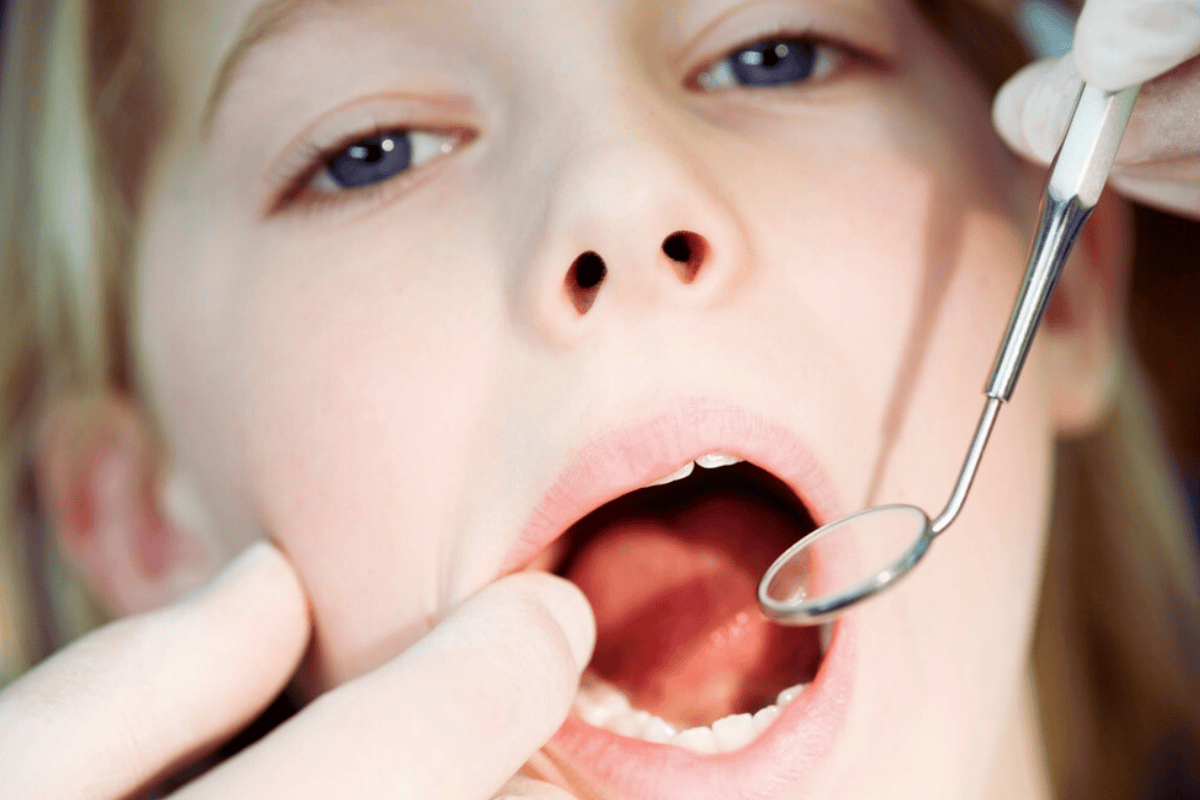
Children may find dental procedures frightening. If you are a parent, finding strategies to help them feel less anxious may be complex. Sedation dentistry (nitrous oxide), or laughing gas, is one remedy many pediatric dentists employ. In this blog post, we will discuss what nitrous oxide is, its safety for kids, and common pediatric dentistry treatments where it is used.
Nitrous Oxide: Exploring Sedation Dentistry
A colorless, odorless gas called nitrous oxide is frequently used in dental operations to make kids feel more at ease and relaxed. A tiny mask that fits over the child’s nose is used to administer the laughing gas combined with oxygen. The gas is rapidly adjusted, so the dentist can administer sedation depending on a kid’s comfort and calmness.
Can Children Safely Consume Nitrous Oxide?
Children can be safely and effectively calmed during dental procedures by using nitrous oxide. The AAPD recognizes nitrous oxide-oxygen inhalation as a safe, effective method to reduce anxiety, provide pain relief, and improve patient care (opens a PDF file). Because of its safety and efficacy, the gas has been utilized in dentistry for more than a century and is being used today. Both addiction and long-term consequences are absent from nitrous oxide. It wears off quickly after the procedure is over, and the child can go home without feeling groggy or nauseous.
How Safe Is Laughing Gas for Kids?
Children can be safely and effectively calmed during dental procedures by using nitrous oxide. Because of its safety and efficacy, the gas has been utilized in dentistry for more than a century and is being used today. Both addiction and long-term consequences are absent from nitrous oxide. After the procedure, it goes away immediately, and the youngster can return home without experiencing any nausea or drowsiness.
When is Nitrous Oxide Administered in Pediatric Dentistry?
If you are still thinking about what makes laughing gas ideal for pediatric dental sedation,
Fillings: Nitrous oxide helps ease anxiety during filling procedures, making the experience more comfortable for children who may feel nervous or uncomfortable.
Extractions: When extracting teeth, nitrous oxide provides relaxation and pain relief, helping kids feel more at ease during a procedure that can otherwise be stressful and intimidating for young patients.
Cleanings: Laughing gas effectively calms young patients during routine cleanings, especially for those with sensitive teeth or gums. The sedative medication allows them to stay relaxed throughout the process.
Frenectomies: During frenectomy procedures, nitrous oxide helps reduce discomfort and anxiety-free dental visits, making it easier for children to tolerate the treatment.
Crowns: For crown procedures, sedation ensures that children remain comfortable and relaxed during a lengthy and potentially uncomfortable treatment.
Sealants: Laughing gas helps children stay calm and relaxed while applying dental sealants, which can sometimes cause discomfort, ensuring the process is easier and less stressful.
Nitrous oxide is a trusted sedative medication for little ones, helping them remain calm during dental procedures. Pediatric dentists often rely on laughing gas to protect your child’s teeth and gums with comprehensive care, ranging from fillings to frenectomies.
When is your child’s next dental appointment? Visit Karr & Hardee Dentistry, where we reduce the triggers causing pain or anxiety with safe and effective sedation options. No matter what your kid requires, our sedation dentist in Amarillo will make them feel comfortable. Contact us today and see if we can assist your little one in maintaining a flawless smile.
Recent Post
October 7, 2026
Do You Need a Bone Graft Before Dental Implants?

October 1, 2026
The Best Tools for Effective Teeth Cleaning at Home

September 21, 2026
Why Does My Jaw Hurt When I Wake Up?
September 14, 2026
Why Do My Teeth Hurt When I Drink Something Cold?
September 10, 2026
How Long Do Porcelain Bridges Really Last?
September 3, 2026
Dental Sealants for Kids: Are They Really Necessary?
August 27, 2026
Bleeding Gums When You Brush? Here’s What That Might Actually Mean

August 19, 2026
Electric or Manual: Which Toothbrush Actually Cleans Your Teeth Better?

August 13, 2026
How to Brighten Yellow Teeth at Home Naturally

August 5, 2026