New Patients Are Welcome!

Can You Have Cavities Without Pain? Signs to Watch For
April 18, 2025
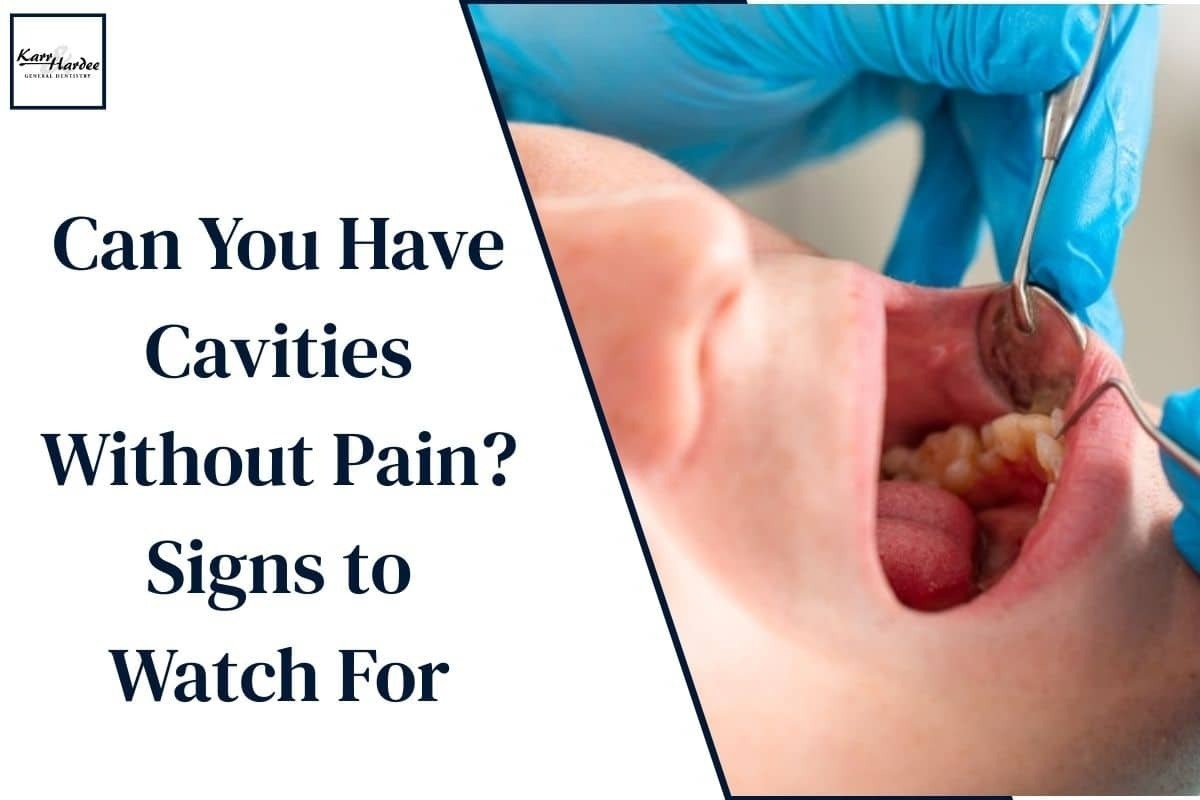
You might not always feel pain or notice prominent warning signs indicating a cavity or tooth decay. It can silently progress for months or even years before you recognize your tooth has structural damage. Recognizing the subtle signs early can help prevent extensive dental procedures and protect oral health.
As dental practitioners in Amarillo, TX, we are committed to preserving your natural teeth and promoting a healthy smile by helping people understand even small dental concerns. This blog highlights some of the symptoms of cavities, which may or may not be accompanied by pain.
How Does a Cavity Form?
Tooth decay begins when plaque, a sticky film of bacteria, builds up on teeth. When you consume sugary or starchy foods, the bacteria feed on them, producing acids. These acids gradually wear down the enamel, creating small openings. Without treatment, the damage deepens, reaching the dentin and, eventually, the pulp. This can lead to infection and more severe dental issues.
What are the Hidden Signs of Cavities?
Below are some early signs of cavities lurking beneath the surface, even without causing dental pain or discomfort.
1. Sensitivity to Hot and Cold
It could be a red flag if you feel a sharp or lingering sensitivity after sipping hot coffee or eating ice cream. As the enamel weakens, it exposes the underlying dentin and provides direct access to the nerves inside your tooth. Temperature changes or other complications can lead to dental discomfort, even without causing excruciating pain.
2. Unusual Staining or Discoloration
Small brown, black, or white spots on your tooth may seem harmless, but they are often the silent cavity symptoms. As the enamel erodes, staining agents from food, drinks, or bacteria can settle in. While the discoloration of teeth might not hurt initially, it often indicates that damage is already underway.
3. Pain When Chewing or Biting
If you experience sharp or uneven pressure when chewing, it could point to hidden decay. When the structure of a tooth becomes compromised, a slight pressure during meals can lead to discomfort. This is especially common in molars, where deeper crevices make it easier for bacteria to thrive.
4. Bad Breath or Unpleasant Taste
Is your bad breath lingering even after regular brushing and flossing? It could be a subtle sign of underlying tooth decay or other dental issues. Bacteria can build up in small, hard-to-reach areas of the mouth, releasing foul-smelling byproducts over time. If you notice a persistent unpleasant taste, it’s a good idea to schedule a routine checkup to identify the potential cause.
5. Swollen or Bleeding Gums
Decay that forms near the gum line can irritate and inflame the surrounding tissue. You may notice redness, tenderness, or slight bleeding when brushing or flossing. While many associate this with gum disease, it can also indicate that a cavity has silently spread below the surface.
6. Small Pits or Holes
Sometimes, you might be able to feel a tiny indentation or rough patch with your tongue, even if it is not painful. This could be a sign that the outer layer of the tooth is wearing away. These openings direct bacteria to the softer layers, allowing the progression of decay.
Tooth decay doesn’t always announce itself with pain. If you’ve noticed any of the subtle signs discussed above, schedule an appointment with our dentist to help save your smile. Early detection can prevent more invasive treatments and ensure better protection against cavities.
At Karr & Hardee Dentistry, we prioritize routine care for patients of all ages in Amarillo,TX, as it allows our dentists to detect hidden dental concerns in their early stages. If you’re looking for a dental team that works closely with you and your family to address all kinds of dental needs, we are your one-stop solution. With over 30 years of experience, our dentists are well-equipped to care for your dental health with friendly and gentle treatment.
Want to learn more? Visit Karr & Hardee Dentistry today.
Recent Post

October 7, 2026
Do You Need a Bone Graft Before Dental Implants?

October 1, 2026
The Best Tools for Effective Teeth Cleaning at Home

September 21, 2026
Why Does My Jaw Hurt When I Wake Up?

September 14, 2026
Why Do My Teeth Hurt When I Drink Something Cold?
September 10, 2026
How Long Do Porcelain Bridges Really Last?
September 3, 2026
Dental Sealants for Kids: Are They Really Necessary?
August 27, 2026
Bleeding Gums When You Brush? Here’s What That Might Actually Mean

August 19, 2026
Electric or Manual: Which Toothbrush Actually Cleans Your Teeth Better?

August 13, 2026
How to Brighten Yellow Teeth at Home Naturally

August 5, 2026