New Patients Are Welcome!

Your First Oral Cancer Screening: What to Expect and How to Prepare
November 10, 2026

If you’ve never had an oral cancer screening before, you might feel uncertain about what’s involved. Your first oral cancer screening — what to expect and how to prepare in Amarillo — is actually simpler than most patients imagine. At Karr & Hardee Dentistry Amarillo, Dr. Client Hardee performs this quick, painless exam to catch early warning signs before they become serious problems. Knowing what happens during the visit can help you feel calm and confident walking through our doors.
What Is an Oral Cancer Screening and Why Does It Matter?
An oral cancer screening is a visual and physical exam of your mouth, throat, and surrounding tissues. The goal is to identify any unusual changes that could signal early cancer or pre-cancerous conditions. Early detection dramatically improves treatment outcomes, which is why regular screenings are so important.
Oral cancer affects tens of thousands of Americans every year. Many cases go undetected until they reach advanced stages, simply because the early signs are easy to miss. A routine screening at your dental visit closes that gap in a meaningful way.
At our Amarillo practice, screenings are woven into your regular preventive care. You don’t need a separate appointment or a referral. Dr. Hardee integrates this exam into your overall oral health evaluation seamlessly.
How to Prepare for Your First Oral Cancer Screening in Amarillo
Preparing for your screening is straightforward. There are no fasting requirements and no special medications needed beforehand. However, a few simple steps will help the exam go smoothly.
- Avoid wearing lipstick or lip balm on the day of your visit — it can obscure tissue visibility.
- Remove any removable dental appliances before the exam begins.
- Note any sores, lumps, or changes in your mouth you’ve noticed recently.
- Be ready to share your medical history, including tobacco and alcohol use.
- Arrive a few minutes early to complete any new patient paperwork comfortably.
Being honest with Dr. Hardee about lifestyle habits is especially helpful. Tobacco use, heavy alcohol consumption, and HPV history are known risk factors. Sharing this information allows him to tailor the screening to your specific needs.
If you currently use tobacco products or drink alcohol frequently, don’t feel embarrassed. Our team approaches every patient with genuine empathy and zero judgment. We’re here to help, not to lecture.
What to Expect Step by Step During Your Appointment
Most patients are relieved to learn the screening itself takes only a few minutes. It’s non-invasive and completely painless. Here’s a straightforward breakdown of what happens:
- Medical history review: Dr. Hardee or a team member reviews your health history and any concerns you’ve mentioned.
- External examination: Dr. Hardee gently checks your neck, jaw, and lymph nodes for any unusual swelling or asymmetry.
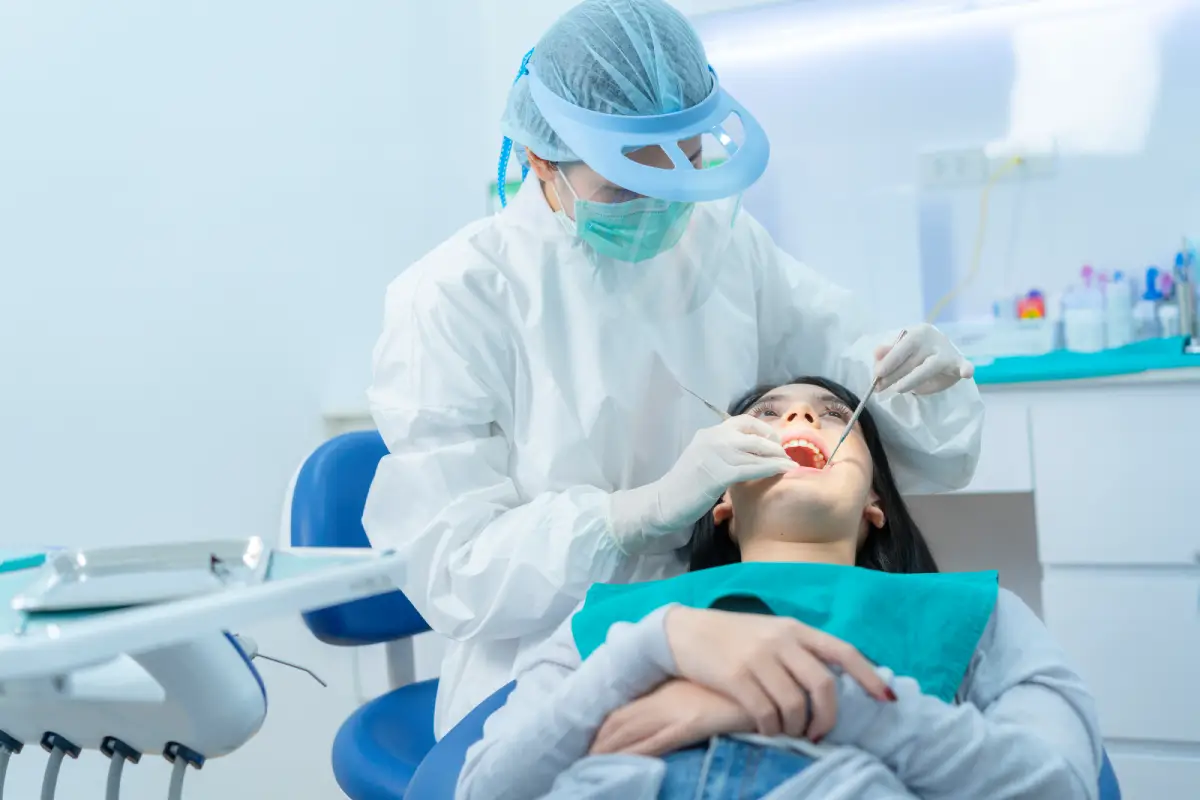
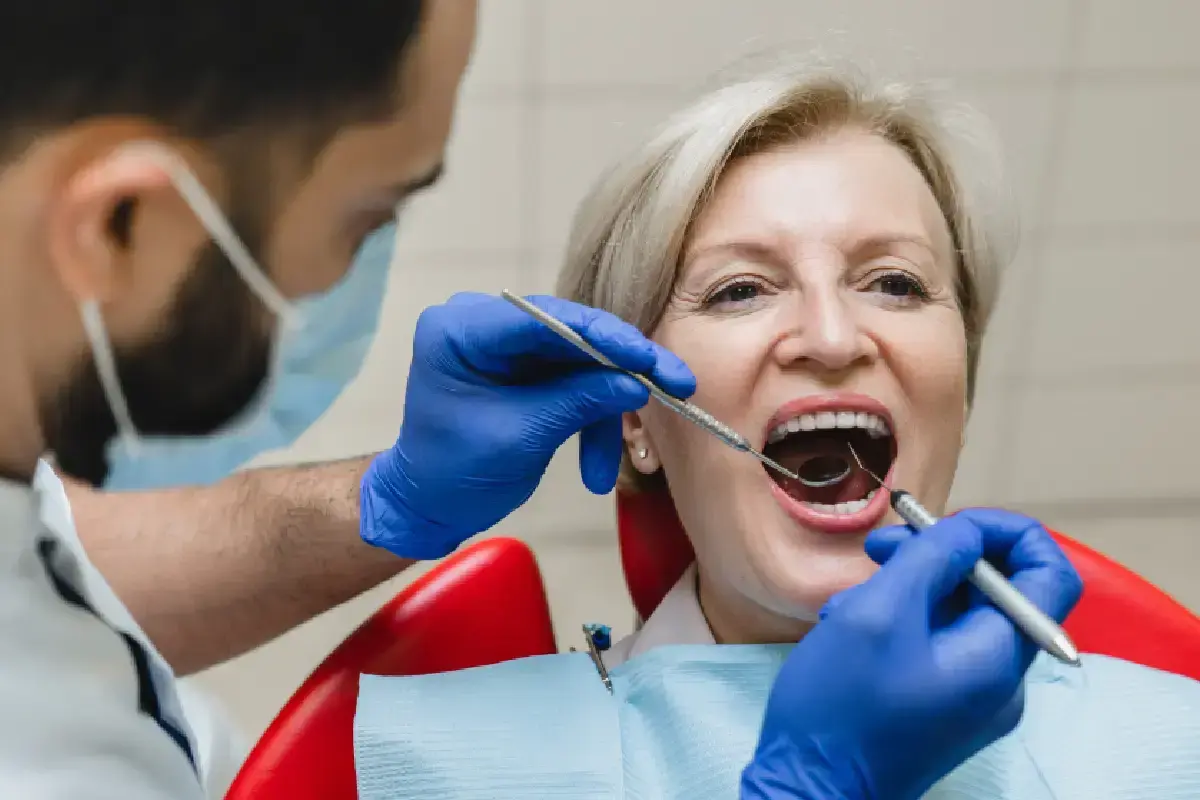
- Internal examination: He visually inspects your lips, gums, tongue, cheeks, the roof of your mouth, and the back of your throat.
- Manual palpation: He uses gloved hands to feel for lumps, thickened areas, or abnormal textures inside your mouth.
- Results and next steps: Dr. Hardee shares his findings immediately and explains any recommended follow-up if needed.
If everything looks healthy, you’ll leave with peace of mind and a clear picture of your oral health. If Dr. Hardee spots something worth monitoring, he’ll explain exactly what he found and what the next steps involve. Early findings rarely mean the worst — many turn out to be benign tissue changes.
You may also receive other preventive services during the same visit. These can include teeth cleaning, digital X-rays, or a periodontal evaluation, depending on what your care plan requires.
What Happens If Something Unusual Is Found?
Discovering an area of concern doesn’t automatically mean a cancer diagnosis. Dr. Hardee may recommend monitoring the area over a few weeks to see if it resolves on its own. Many mouth sores heal naturally within two weeks.
If a lesion persists or looks suspicious, Dr. Hardee will refer you to an oral specialist for a biopsy. A biopsy is the only definitive way to diagnose oral cancer. The referral process is handled quickly so you’re never left waiting or wondering.
In cases where restorative or cosmetic treatment becomes part of your longer-term care, our team is fully equipped to support you. We offer Restorative Dentistry in Amarillo services to help rebuild and protect your smile at every stage. For patients interested in appearance improvements alongside their health care, we also provide Cosmetic Dentistry in Amarillo options tailored to individual goals.
The most important takeaway is this: early action leads to better outcomes. Finding anything unusual is far better than missing it entirely.
How Often Should You Schedule an Oral Cancer Screening?
Most dental professionals recommend an oral cancer screening at least once a year. For patients with elevated risk factors, more frequent screenings may be appropriate. Dr. Hardee will help you determine the right schedule based on your personal health profile.
The great news is that oral cancer screenings pair easily with your routine dental checkups. Coming in twice a year for cleanings already creates a natural opportunity for regular monitoring. You don’t have to carve out extra time in your schedule.
Patients across Amarillo who make preventive care a priority consistently catch problems earlier. That single habit — showing up consistently — makes a profound difference in long-term health outcomes.
Why Choose Karr & Hardee Dentistry Amarillo for Your Screening?
Dr. Client Hardee brings a gentle, thorough approach to every patient exam. Our team understands that new patients sometimes feel anxious, especially when the word
Frequently Asked Questions
How long does an oral cancer screening typically take?
Most oral cancer screenings take between 10 to 15 minutes and are performed as part of your routine dental exam. Your dentist will carefully examine your mouth, throat, and surrounding tissues while you remain comfortably seated in the dental chair. The quick nature of the screening makes it easy to fit into your appointment schedule.
Does an oral cancer screening hurt or cause any discomfort?
An oral cancer screening is completely painless and non-invasive. Your dentist will use visual inspection and gentle palpation to examine the tissues in your mouth and neck. You may feel slight pressure or movement, but there should be no pain or significant discomfort during the process.
What are the early warning signs of oral cancer that dentists look for?
Dentists screen for red or white patches in the mouth, persistent sores that don’t heal, lumps or thickening of tissues, difficulty swallowing or speaking, and asymmetry in the jaw or face. Early detection of these signs is crucial because oral cancer treated in its initial stages has a much higher survival rate. If anything suspicious is found, your dentist will discuss next steps with you.
How often should I have an oral cancer screening in Amarillo?
Most dental professionals recommend an oral cancer screening at least once a year during your regular dental checkup. If you have risk factors such as tobacco use, heavy alcohol consumption, or a family history of cancer, your dentist may recommend more frequent screenings. Regular screenings are one of the most effective ways to catch oral cancer early.
What should I do to prepare for my first oral cancer screening?
Simply arrive at your appointment with a clean mouth and be prepared to discuss your medical history, including any tobacco or alcohol use. Let your dentist know if you’ve noticed any unusual lumps, sores, or changes in your mouth. There are no special preparations needed, making it convenient to add this important screening to your routine dental care.
Recent Post
November 10, 2026
Your First Oral Cancer Screening: What to Expect and How to Prepare

November 3, 2026
Why One $150 Cleaning Costs Less Than One Root Canal

October 26, 2026
When Should My Child Get Their First Orthodontic Screening?

October 12, 2026
Inside Your Professional Teeth Cleaning: What Happens Step by Step
October 7, 2026
Do You Need a Bone Graft Before Dental Implants?

October 1, 2026
The Best Tools for Effective Teeth Cleaning at Home

September 21, 2026
Why Does My Jaw Hurt When I Wake Up?

September 14, 2026
Why Do My Teeth Hurt When I Drink Something Cold?
September 10, 2026
How Long Do Porcelain Bridges Really Last?
September 3, 2026