New Patients Are Welcome!

Why Do I Keep Getting Cavities Even Though I Brush Every Day?
July 2, 2026
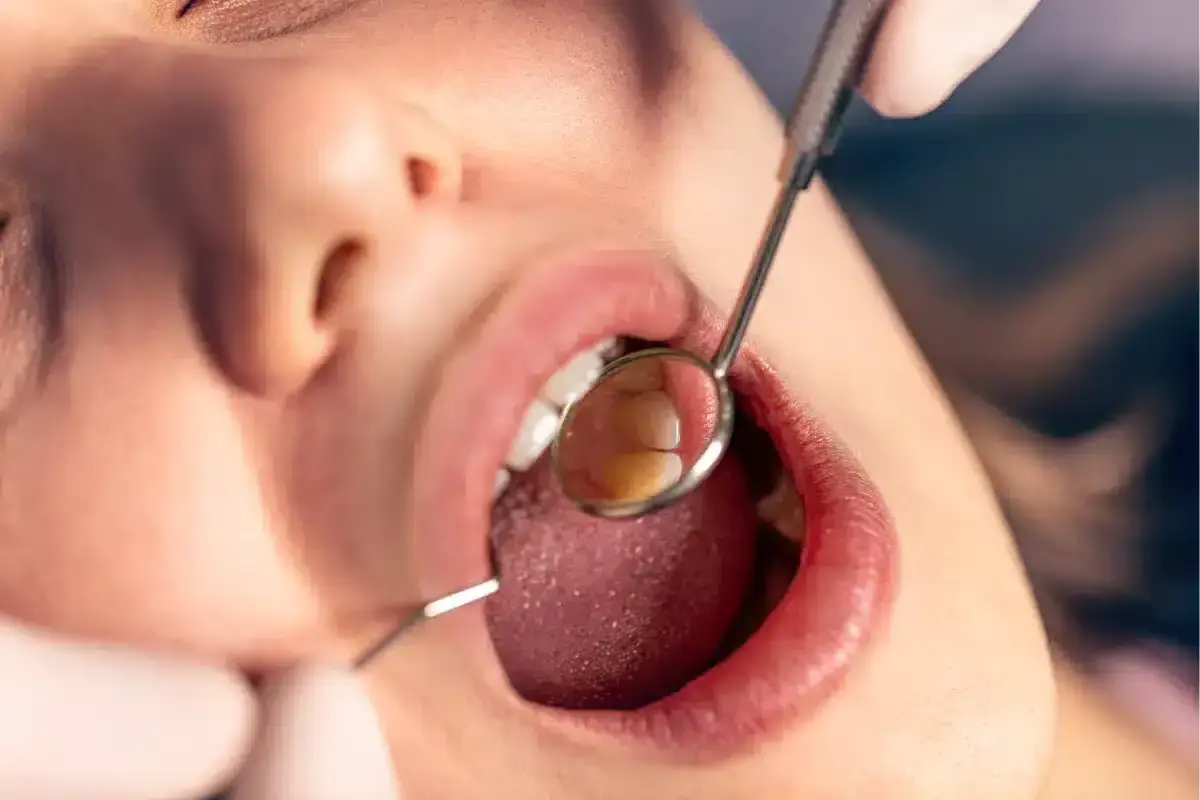
It’s one of the most frustrating things to hear at a dental checkup: another cavity, even though you brush twice a day like you’re supposed to. If this keeps happening to you, it can start to feel like nothing you do makes a difference. The truth is, brushing is only one piece of a much bigger picture, and there are usually a few overlooked factors working against you.
At Karr & Hardee Dentistry, Dr. Clint Hardee helps patients understand how better at-home oral hygiene habits can reduce the risk of tooth decay. Cavities rarely come down to a single cause, so looking beyond brushing alone often reveals small changes that can make a big difference in protecting your smile.
Brushing Technique and Timing Matter More Than You’d Think
Brushing twice a day is a good habit, but how and when you brush matters just as much as how often. Missing certain spots consistently, like along the gumline or the back molars, can leave the same areas vulnerable over and over. Brushing right after eating something acidic, like citrus or soda, can also do more harm than good since it can wear down softened enamel. Waiting about 30 minutes after eating before brushing gives your enamel time to re-harden first.
What’s Happening Between Your Teeth
Brushing alone only cleans about 60 percent of your tooth surfaces. The spaces between teeth, where a toothbrush simply can’t reach, are common spots for cavities even after brushing thoroughly. This is where flossing or another interdental cleaning tool becomes essential, not optional. Skipping this step regularly leaves plaque to build up in exactly the places most prone to decay.
Diet Plays a Bigger Role Than Most People Realize
Frequent snacking, sipping sugary or acidic drinks throughout the day, and diets high in refined carbohydrates all feed the bacteria that cause tooth decay. It’s often not the amount of sugar that matters most, but how often your teeth are exposed to it. Grazing on snacks or sipping coffee with sugar throughout the day keeps your mouth in an acidic state for much longer than eating the same amount of sugar in one sitting would.
Dry Mouth Can Quietly Undermine Your Efforts
Saliva does a lot of behind-the-scenes work, washing away food particles and neutralizing acids in your mouth. Certain medications, medical conditions, mouth breathing, and even dehydration can reduce saliva flow, leaving your teeth more exposed to decay-causing bacteria. If you often wake up with a dry mouth or notice it throughout the day, that could be part of the puzzle.
If you’re getting cavities at nearly every checkup, schedule an appointment with our team. We’ll evaluate the underlying causes and recommend a personalized plan to help reduce your risk of future tooth decay.
Genetics and Enamel Strength
Some people are simply born with enamel that’s naturally thinner or more porous, making it easier for acid to break through. Deep grooves in the chewing surfaces of molars can also trap bacteria more easily than smoother teeth. None of this means more cavities are inevitable, but it does mean some people need a more tailored prevention plan than others.
Skipping Fluoride or Professional Cleanings
Fluoride helps strengthen enamel and make it more resistant to acid attacks. If your toothpaste doesn’t contain fluoride, or your water source is low in it, your teeth may not be getting the extra protection they need. Regular professional cleanings also remove hardened plaque, called tartar, that a toothbrush can’t budge on its own, and routine checkups catch small areas of decay before they turn into bigger problems.
Building a Plan That Actually Works for You
Since so many small factors can add up, the most effective approach is usually a personalized one. That might include a closer look at your flossing routine, a fluoride treatment, a discussion about snacking habits, or even a saliva check if dry mouth seems to be part of the issue. Once the actual cause is identified, preventing future cavities becomes a lot more manageable.
Fewer Cavities, More Confidence
Brushing every day is an important part of maintaining a healthy smile, but it isn’t the only factor that affects your risk of cavities. Diet, oral hygiene habits, saliva production, enamel strength, and regular dental care all play a role in preventing tooth decay. At Karr & Hardee Dentistry, we help patients throughout Amarillo, TX understand what’s contributing to recurring cavities and how to better protect their smiles. Visit our Amarillo dental office to learn more about keeping your teeth healthy for years to come.
FAQs
Why do I keep getting cavities even though I brush every day?
Brushing is important, but cavities can also be caused by factors like poor flossing habits, frequent snacking, dry mouth, weak enamel, or bacteria that brushing alone can’t remove.
Can flossing really help prevent cavities?
Yes. Flossing removes plaque and food particles from between your teeth, where a toothbrush can’t reach. This helps reduce the risk of cavities developing between teeth.
Can dry mouth increase my risk of cavities?
Absolutely. Saliva helps wash away food debris and neutralize acids. When your mouth is dry, bacteria can build up more easily and increase the risk of tooth decay.
Why do I keep getting cavities in the same teeth?
Recurring cavities often develop in areas that are difficult to clean, around old fillings, or in deep grooves where plaque tends to collect. Your dentist can help identify the underlying cause.
How can I reduce my chances of getting more cavities?
Brushing twice a day with fluoride toothpaste, flossing daily, limiting sugary snacks and drinks, staying hydrated, and visiting your dentist regularly can all help lower your risk of future cavities.
Recent Post

October 7, 2026
Do You Need a Bone Graft Before Dental Implants?

October 1, 2026
The Best Tools for Effective Teeth Cleaning at Home

September 21, 2026
Why Does My Jaw Hurt When I Wake Up?

September 14, 2026
Why Do My Teeth Hurt When I Drink Something Cold?
September 10, 2026
How Long Do Porcelain Bridges Really Last?
September 3, 2026
Dental Sealants for Kids: Are They Really Necessary?
August 27, 2026
Bleeding Gums When You Brush? Here’s What That Might Actually Mean

August 19, 2026
Electric or Manual: Which Toothbrush Actually Cleans Your Teeth Better?

August 13, 2026
How to Brighten Yellow Teeth at Home Naturally

August 5, 2026