New Patients Are Welcome!

How to Whiten Sensitive Teeth Without Pain?
October 22, 2024
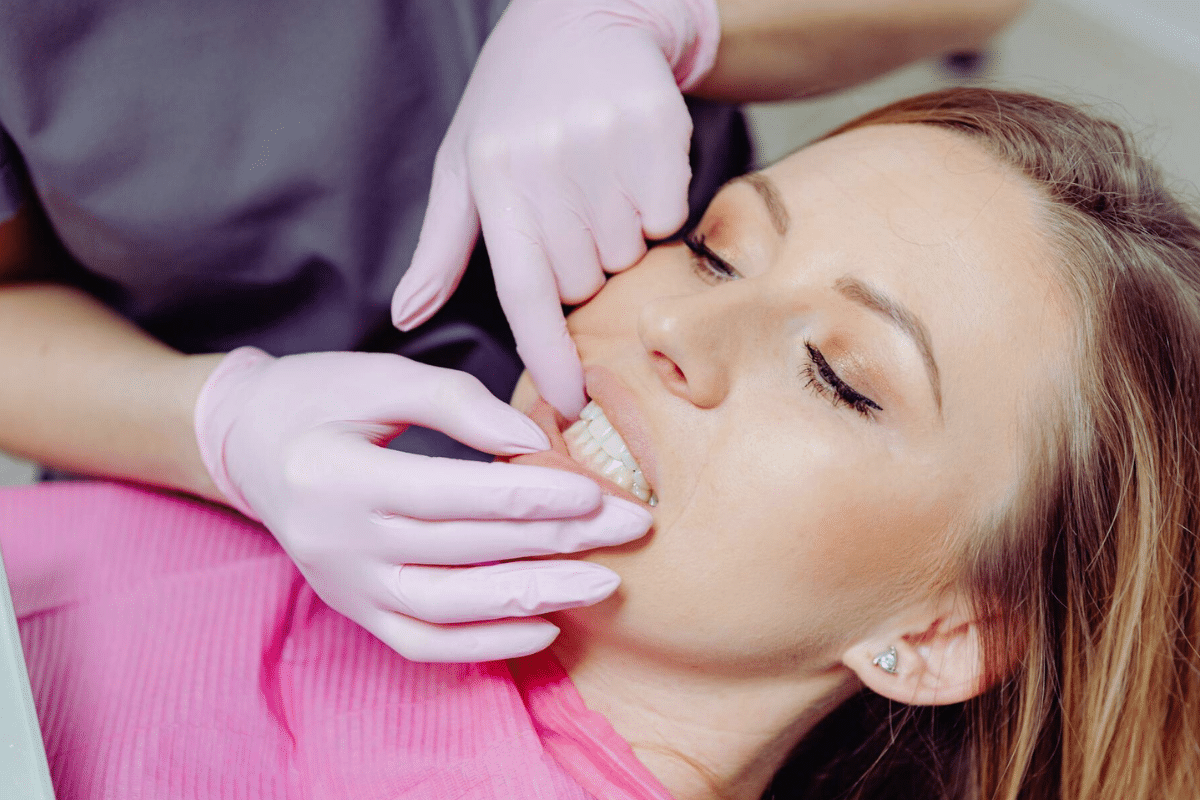
The problems of sensitive teeth make the idea of teeth whitening seem intimidating. You want a bright smile but are concerned about the pain that whitening might bring. Fortunately, some solutions allow you to whiten your teeth without discomfort.
The key is to find methods designed for sensitive teeth to achieve the smile you want without triggering tooth pain. Consulting a dentist will ensure you choose the safest and most effective whitening solution.
What is Teeth Whitening Sensitivity?
Teeth whitening sensitivity occurs when the whitening process irritates the nerves within your teeth. This discomfort is often temporary, but it can be unsettling. People with already sensitive teeth are likelier to experience heightened sensitivity during whitening.
Teeth whitening aims to remove stains, but the chemicals can sometimes aggravate the tooth’s nerves, leading to short-term pain or sensitivity.
What Causes Sensitivity During Teeth Whitening?
One of the primary causes of sensitivity during teeth whitening is specific bleaching agents. These agents, often found in gels, penetrate the enamel of your teeth to reach the dentin, where stains live. While this process is effective for whitening, it can also irritate the nerve endings in your teeth, causing sensitivity. People with thin enamel or pre-existing teeth sensitivity may feel this irritation more intensely.
Aside from the bleaching agents, the time you leave the product on your teeth can also influence sensitivity. Prolonged exposure to these whitening products increases the likelihood of discomfort. However, this doesn’t mean you must give up on whitening if you have sensitive teeth. You can still enjoy a brighter smile without the pain with the right approach.
How Can You Whiten Sensitive Teeth Without Pain?
If you have sensitive teeth, don’t worry—there are ways to whiten them without causing discomfort. Here are a few methods to help you safely whiten sensitive teeth.
1. Use Desensitizing Gels
Desensitizing gels are an excellent option for people with tooth sensitivity during whitening treatments. These gels calm the nerves inside your teeth, reducing discomfort from whitening agents. By soothing the nerves, they create a protective barrier to ease sensitivity during the whitening process. This lowers the chances of heightened sensitivity caused by the bleaching agents used in whitening products.
Applying desensitizing gel before whitening helps reduce the risk of pain or irritation. It’s easy to apply and can be used with various whitening products. Over-the-counter desensitizing gels are widely available at pharmacies and supermarkets.
Additionally, regular use of desensitizing gels can contribute to long-term relief from sensitivity. During routine whitening sessions, it allows you to maintain a brighter smile without fear of pain.
2. Opt for Low-Bleach Whitening Products
Not all whitening products are created equal. You should choose products with lower bleaching agent concentrations if you have sensitive teeth. Low-bleach products are specifically designed for people with teeth sensitivity and can lighten teeth without causing pain. These products work slower, but the trade-off is reduced sensitivity.
3. Shorten Whitening Sessions
Another way to reduce pain during teeth whitening is to shorten the length of each whitening session. Start with shorter intervals rather than leaving the whitening product on your teeth for the full recommended time. Increasing the time will help your teeth adjust to whitening without causing significant discomfort.
4. Try Whitening Toothpaste
Whitening toothpaste can be a less intense alternative to bleaching gels and strips. These toothpastes often contain mild abrasives that help remove surface stains without potent bleaching agents. While it may take longer to see noticeable results, it’s a pain-free way to achieve a brighter smile over time.
5. Speak to Your Dentist About In-Office Whitening
In-office whitening treatments might be the best option for those with sensitive teeth. Dentists can control the concentration of whitening agents and apply protective treatments, like desensitizing gels, to ensure a pain-free experience. Additionally, in-office treatments produce faster, more noticeable results than over-the-counter products.
Whitening sensitive teeth doesn’t have to involve pain or discomfort. You can achieve a whiter smile safely by using desensitizing gels, opting for low-bleach products, or shortening whitening sessions. Remember that if your sensitivity worsens or persists, it’s crucial to consult with a professional. You have to ensure your dental health remains a top priority.
For effective teeth whitening in Amarillo, consider reaching out to Karr & Hardee Dentistry Amarillo. We offer specialized services that cater to individuals with sensitive teeth. Get in touch today to learn more about how you can safely whiten your teeth without pain.
Recent Post

October 7, 2026
Do You Need a Bone Graft Before Dental Implants?

October 1, 2026
The Best Tools for Effective Teeth Cleaning at Home

September 21, 2026
Why Does My Jaw Hurt When I Wake Up?
September 14, 2026
Why Do My Teeth Hurt When I Drink Something Cold?
September 10, 2026
How Long Do Porcelain Bridges Really Last?
September 3, 2026
Dental Sealants for Kids: Are They Really Necessary?
August 27, 2026
Bleeding Gums When You Brush? Here’s What That Might Actually Mean

August 19, 2026
Electric or Manual: Which Toothbrush Actually Cleans Your Teeth Better?

August 13, 2026
How to Brighten Yellow Teeth at Home Naturally

August 5, 2026