New Patients Are Welcome!

What Should You Not Do Before Dental Implants?
August 21, 2024
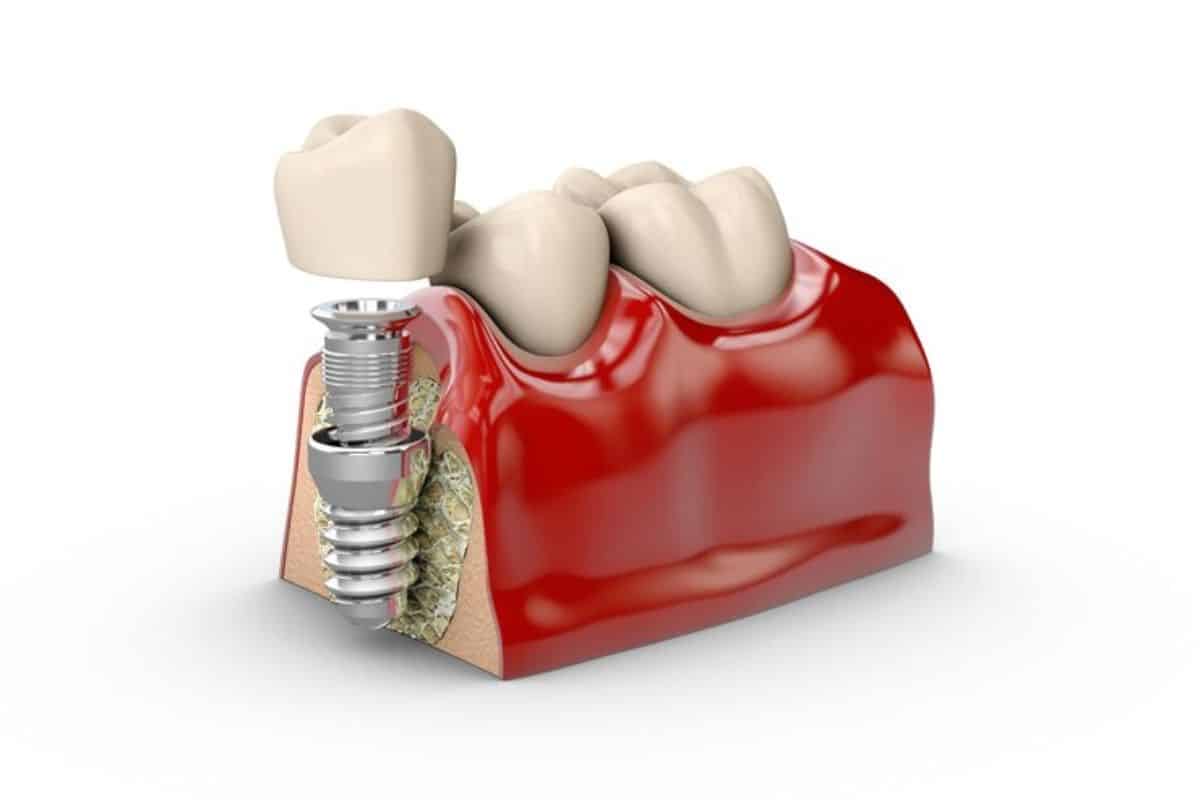
Dental implants are a transformative option for individuals looking to restore their smile by replacing missing teeth with a durable, natural-looking solution. Whether you’re getting a single implant tooth or multiple implant teeth, preparing properly is essential to ensure a smooth and successful procedure. It’s important to understand that the success of your dental implants doesn’t rely solely on your provider’s expertise – it also depends on how well you follow pre-procedure guidelines. Knowing what to avoid before getting dental implants can significantly affect your recovery and long-term results.
1. Don’t Ignore Pre-Operative Instructions
Your dentist will provide you with detailed pre-operative instructions to follow before your dental implants surgery. These guidelines may cover important factors such as fasting, medications, and oral hygiene practices.
Failing to follow these instructions can compromise the success of your implants dental procedure. For instance, eating before the surgery, especially if you’re receiving sedation, can cause complications like nausea or vomiting during the dental implants surgery.
Medication Guidelines
Some medications, particularly blood thinners, can increase the risk of bleeding during surgery. Your dentist may advise you to stop taking certain medications a few days before the procedure. Always consult your healthcare provider before making any changes to your medication regimen.
2. Avoid Smoking
Smoking is one of the most significant factors that can affect the success of dental implants. Nicotine reduces blood flow to the gums, which can delay healing and increase the risk of infection. Smokers are also more likely to experience implant failure due to poor osseointegration, the process where the implant fuses with the jawbone.
Quitting Before Surgery
If you smoke, it’s advisable to quit several weeks before your implant surgery. The longer you can stay smoke-free, the better your chances of a successful outcome. Your dentist may recommend smoking cessation programs or other resources to help you quit.
3. Don’t Overlook Oral Hygiene
Oral hygiene plays a crucial role in the success of dental implants. Bacteria in the mouth can lead to infections that may compromise the implant. Before your surgery, your dentist will likely recommend a thorough cleaning and may provide you with an antimicrobial mouthwash to reduce the risk of infection.
Pre-Surgery Cleaning
In the days before your surgery, follow a strict oral hygiene routine. Brush and floss regularly, and consider using an antibacterial mouthwash to keep your mouth as clean as possible.
4. Don’t Drink Alcohol
Alcohol can interfere with the healing process and may also interact negatively with medications prescribed before or after your surgery. Consuming alcohol can also dehydrate your body, which can lead to complications during the dental implant procedure.
Alcohol and Anesthesia
Alcohol can interfere with the effects of anesthesia, making it less effective during surgery. Your dentist will likely advise you to avoid alcohol for at least 48 hours before your procedure.
5. Avoid Excessive Caffeine Consumption
While a cup of coffee might seem harmless, excessive caffeine consumption can increase your heart rate and blood pressure, complicating the surgery. Caffeine can also cause dehydration, which is not ideal for any surgical procedure.
Limit Your Intake
If you’re a regular coffee drinker, try to limit your caffeine intake in the days before your surgery. Switch to decaffeinated options or herbal teas to reduce your caffeine consumption.
6. Don’t Skip Meals (If Not Fasting)
If your dentist has not instructed you to fast, eating a balanced meal before your surgery is essential. Food helps stabilize your blood sugar levels, which can prevent dizziness or nausea during the procedure.
Nutrient-Rich Foods
Opt for nutrient-rich foods that provide you with the energy and nutrients your body needs to recover. Foods high in protein, vitamins, and minerals are particularly beneficial.
7. Avoid Overexertion
Physical activity is essential for overall health, but overexerting yourself before surgery can weaken your body and make it harder for you to recover. Heavy exercise can also increase your heart rate and blood pressure, which may complicate the surgical process.
Light Exercise
Stick to light exercises such as walking or gentle stretching in the days leading up to your surgery. Avoid any strenuous activities that could tire you out or cause injury.
8. Don’t Hide Health Information
It’s crucial to be completely honest with your dentist about your medical history and current health status. Hiding health information, such as underlying conditions or allergies, can lead to complications during surgery. Your dentist needs a full understanding of your health to plan your procedure safely and effectively.
Full Disclosure
Be sure to disclose any medications you’re taking, any recent illnesses, and any known allergies. This information will help your dentist make informed decisions about your treatment plan.
9. Avoid High-Stress Situations
Stress can hurt your body’s ability to heal and can also affect how you respond to anesthesia. High stress levels can lead to increased blood pressure and heart rate, which are not ideal conditions for surgery.
Relaxation Techniques
Practice relaxation techniques such as deep breathing, meditation, or yoga in the days leading up to your surgery. Keeping your stress levels low will help you approach the procedure with a calm and focused mindset.
10. Don’t Hesitate to Ask Questions
Finally, don’t hesitate to ask your dentist any questions you may have about the procedure. Understanding what to expect can help alleviate any anxiety and ensure you’re fully prepared for the surgery. Whether it’s about the procedure itself, the recovery process, or what you should avoid, your dentist is there to provide you with the information you need.
Clarify Any Doubts
Make a list of any concerns or questions and discuss them with your dentist during your pre-surgery consultation. This will give you peace of mind and help you feel more confident in the procedure.
Proper preparation is key to the success of your dental implant surgery. By avoiding these common pitfalls, you can help ensure that your procedure goes smoothly and that your implants heal correctly. Always follow your dentist’s advice and take the necessary steps to prepare for your surgery.
If you’re considering dental implants in Amarillo, consult a dentist at Karr & Hardee Dentistry. They can guide you through the process and help you achieve the best possible results.
Recent Post

October 7, 2026
Do You Need a Bone Graft Before Dental Implants?

October 1, 2026
The Best Tools for Effective Teeth Cleaning at Home

September 21, 2026
Why Does My Jaw Hurt When I Wake Up?

September 14, 2026
Why Do My Teeth Hurt When I Drink Something Cold?
September 10, 2026
How Long Do Porcelain Bridges Really Last?
September 3, 2026
Dental Sealants for Kids: Are They Really Necessary?
August 27, 2026
Bleeding Gums When You Brush? Here’s What That Might Actually Mean

August 19, 2026
Electric or Manual: Which Toothbrush Actually Cleans Your Teeth Better?

August 13, 2026
How to Brighten Yellow Teeth at Home Naturally

August 5, 2026