New Patients Are Welcome!

Best Dental Treatment Option for Decaying Teeth
September 11, 2024
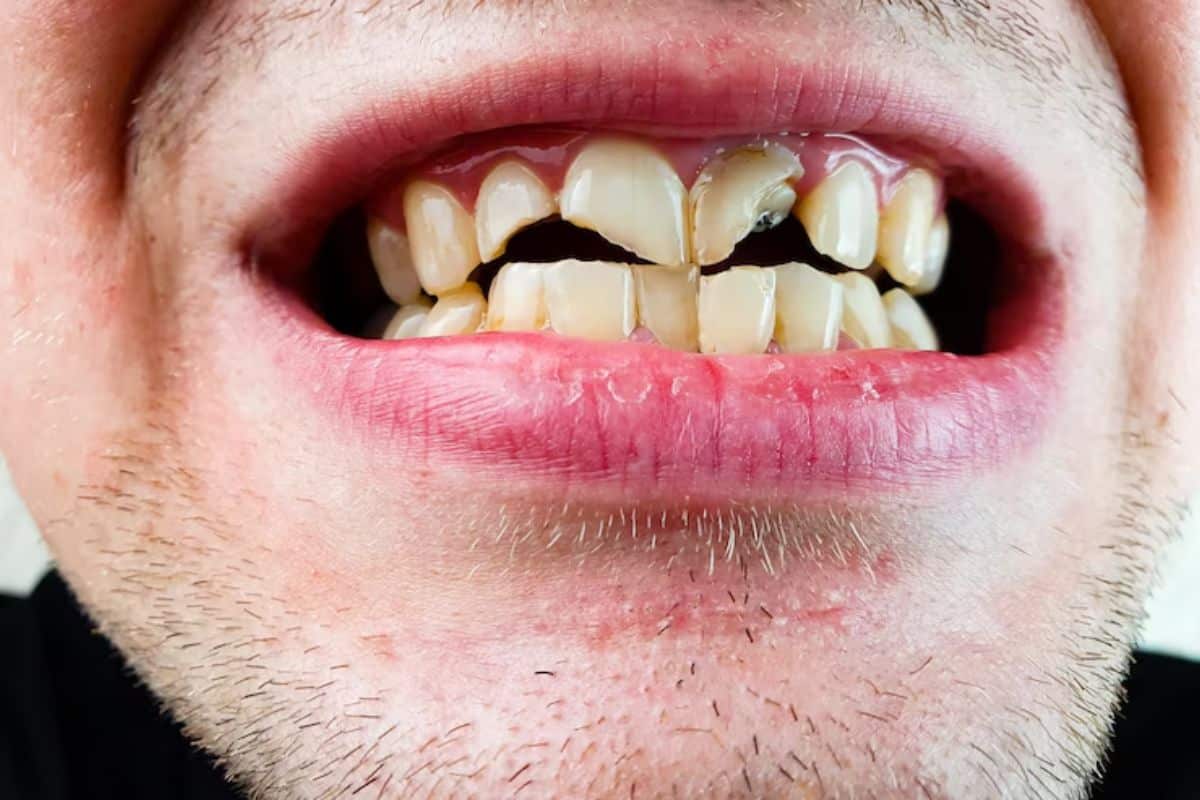
Tooth decay is a common dental issue that affects people of all ages. It occurs when the enamel, the hard outer layer of your teeth, is damaged by acids produced by bacteria in your mouth. If left untreated, tooth decay can lead to pain, infection, and even loss. Various dental treatments are available to restore decaying teeth and improve oral health. This article will explore the best treatment options for tooth decay, helping you make an informed decision about your dental care.
Early signs of tooth decay include white spots on the teeth, sensitivity to hot and cold, and mild tooth pain. As the decay progresses, it can lead to visible holes or pits in the teeth, severe pain, and even infections that require more complex treatment. Recognizing the signs of decay early is crucial for preventing further damage and ensuring a quick and effective treatment process.
Best Treatment Options for Tooth Decay
Different stages of tooth decay require various treatments, ranging from non-invasive procedures to more complex restorative options. Below are the best treatment options based on the severity of the decay.
1. Fluoride Treatments: The First Line of Defense
Fluoride is a mineral that helps to remineralize and strengthen tooth enamel, making it more resistant to decay. For the earliest stages of tooth decay, fluoride treatments can help reverse the damage and prevent cavities from forming.
What to Expect:
- The treatment involves applying a concentrated fluoride gel, foam, varnish, or rinse directly to the teeth.
- It’s a quick and painless procedure, often completed within a few minutes.
- Regular fluoride treatments, especially for children and adults at higher risk of cavities, can be a key preventive measure.
Ideal for: Early-stage decay or patients looking to prevent cavities.
2. Dental Fillings: A Common Solution for Cavities
Dental fillings are the most common treatment for tooth decay that has progressed beyond the initial stages. If a cavity has formed, your dentist will remove the decayed portion of the tooth and fill it with a restorative material, such as composite resin, amalgam, or porcelain.
What to Expect:
- The dentist will numb the area, remove the decay, and fill the cavity in one session.
- Composite fillings, which match the natural color of your teeth, are popular due to their aesthetic appeal.
- Fillings are durable and can last for several years with proper care.
Ideal for: Mild to moderate decay where the tooth structure can still be saved.
3. Dental Crowns: Restoring Severely Decayed Teeth
For extensive decay that has weakened the tooth structure, a dental crown may be the best option. Crowns are custom-made caps that cover the entire tooth, providing strength, and protection, and restoring its appearance.
What to Expect:
- The procedure typically involves two visits: one to prepare the tooth, remove decay, and take an impression, and another to place the custom-made crown.
- Crowns can be made from various materials, including porcelain, ceramic, metal, or a combination.
- They are durable, natural-looking, and can last for many years.
Ideal for: Teeth with significant decay, fractures, or those that have undergone root canal treatment.
4. Root Canal Therapy: Saving Infected Teeth
When tooth decay reaches the inner pulp of the tooth, causing infection, a root canal may be necessary. This procedure involves removing the infected pulp, cleaning the root canals, and sealing them to prevent further infection. A crown is often placed afterward to protect the tooth.
What to Expect:
- The treatment is performed under local anesthesia, and the discomfort is minimal compared to the pain of an infected tooth.
- Root canals have a high success rate and can save a tooth that might otherwise need to be extracted.
Ideal for: Severely decayed teeth with pulp infection or abscess.
5. Tooth Extraction: Removing Severely Damaged Teeth
In cases where decay is too extensive to be repaired, extraction may be necessary. Removing the affected tooth prevents the spread of infection and prepares the mouth for a future restorative procedure, such as a dental implant, bridge, or partial denture.
What to Expect:
- Tooth extraction is performed under local anesthesia, and the procedure is quick, though you may experience some discomfort during recovery.
- Following extraction, your dentist will discuss options to replace the missing tooth to maintain proper function and appearance.
Ideal for: Teeth that are beyond repair due to severe decay or damage.
Preventing Tooth Decay: Tips for Healthy Teeth
While these treatments are effective, preventing tooth decay is always the best approach. Here are some essential tips for maintaining healthy teeth:
1. Brush and Floss Regularly: Brush your teeth twice daily with fluoride toothpaste and floss daily to remove plaque and food particles.
2. Eat a Balanced Diet: Limit sugary snacks and drinks, and eat foods rich in vitamins and minerals to support oral health.
3. Visit Your Dentist Regularly: Routine dental checkups and cleanings allow for early detection and treatment of tooth decay.
4. Use Mouthwash: An antimicrobial mouthwash can help reduce bacteria and freshen your breath.
Consult with Dentists for Personalized Care
Every case of tooth decay is unique, and the best treatment option depends on the extent of the damage and individual needs. If you’re experiencing symptoms of tooth decay, consult with a dentist to discuss the most suitable approach. Amarillo dentists offer a range of advanced treatments and personalized care to restore your smile and maintain your oral health. Don’t wait until decay worsens—schedule a visit today to keep your teeth healthy and strong.
Recent Post

October 7, 2026
Do You Need a Bone Graft Before Dental Implants?

October 1, 2026
The Best Tools for Effective Teeth Cleaning at Home

September 21, 2026
Why Does My Jaw Hurt When I Wake Up?

September 14, 2026
Why Do My Teeth Hurt When I Drink Something Cold?

September 10, 2026
How Long Do Porcelain Bridges Really Last?

September 3, 2026
Dental Sealants for Kids: Are They Really Necessary?
August 27, 2026
Bleeding Gums When You Brush? Here’s What That Might Actually Mean

August 19, 2026
Electric or Manual: Which Toothbrush Actually Cleans Your Teeth Better?

August 13, 2026
How to Brighten Yellow Teeth at Home Naturally

August 5, 2026