New Patients Are Welcome!

The Benefits of Root Canal Therapy
October 9, 2024
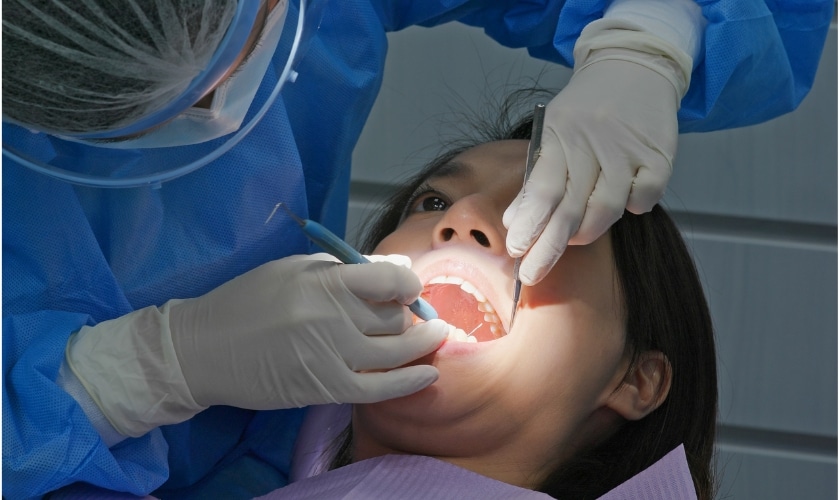
Might it be said that you are battling tooth torment and taking extraction into account? Before you settle on a rushed choice, we should investigate an elective that could save your regular tooth and lighten your uneasiness – root waterway treatment! This highly effective dental procedure has numerous benefits that are worth discovering, even though misconceptions and fears frequently surround it. Here, we will dive into the universe of root canal treatment to disclose its benefits and assist you with pursuing an educated decision for your oral well-being. So sit back, unwind, and prepare to safeguard your grin in the most potentially productive manner!
What Is Root Canal?
Root canal therapy, also known as endodontic treatment, is a dental procedure designed to save a natural tooth that has been severely damaged or infected. It involves removing the infected pulp from the tooth’s root canal system, cleaning and disinfecting the area, and then filling and sealing it to prevent further infection.
If you have a tooth that is severely decayed or infected, root canal therapy may be the best option to save it. The skilled team at our dental office can evaluate your situation and help you make the best decision for your oral health.
What to Expect During Treatment
When you come in for root canal therapy, the first thing your dentist will do is numb the area around the tooth with local anesthesia. Once you’re comfortable, they’ll access the inside of the tooth by drilling a small hole through the top. Next, they’ll clean out the infected or damaged tissue from inside the tooth. Once that’s done, they’ll fill the space with a rubber-like material called Gutta Percha. They’ll seal up the tooth with a filling or crown. The whole process usually takes one or two visits to the dentist and you can expect some discomfort afterwards. However, it’s worth it to save your tooth!
Benefits of Root Canal Therapy
There are many benefits of root canal therapy. Here are some of the most important ones:
1. Preserving your natural tooth
One of the major benefits of root canal therapy is that it allows you to preserve your natural tooth. Losing a tooth can have significant consequences for your oral health and overall well-being. By undergoing root canal therapy, you can avoid the need for tooth extraction and the subsequent need for a dental implant or bridge. Keeping your natural tooth also helps maintain the alignment of your teeth and prevents the adjacent teeth from shifting, which can lead to bite problems and jaw pain.
2. Relieving Pain and Discomfort
Infected or damaged teeth can cause severe pain and discomfort. Root canal therapy effectively addresses this issue by removing the source of the pain—the infected pulp. The procedure is performed under local anesthesia, ensuring that you remain comfortable throughout. Once the infected pulp is removed, the pain and discomfort subside, allowing you to enjoy a pain-free smile again.
3. Restoring Dental Function
When a tooth is damaged or infected, it can significantly impact your ability to bite and chew properly. Root canal therapy restores the functionality of the affected tooth, allowing you to enjoy your favorite foods without discomfort. By saving your natural tooth, root canal therapy ensures that you can maintain normal chewing patterns and continue to enjoy a wide range of food choices.
4. Improved Aesthetics and Confidence
Root canal therapy not only helps improve dental function but also enhances the aesthetics of your smile. A damaged or infected tooth can be discolored or visibly decayed, affecting your overall appearance. By treating the tooth with root canal therapy, you can restore its natural color and eliminate any signs of infection or decay. This revitalization of your smile can significantly boost your self-confidence and improve your overall quality of life.
5. Efficient and Long-lasting Solution
Root canal therapy is an efficient and long-lasting solution for addressing dental problems. The procedure can typically be completed in one or two appointments, depending on the severity of the infection. With advancements in dental technology and techniques, root canal therapy has become more comfortable and efficient than ever before. Additionally, the success rate of root canal treatments is high, allowing you to enjoy the benefits of a healthy tooth for years to come.
6. Preventing Future Dental Issues
By undergoing root canal therapy, you not only save your natural tooth but also prevent future dental issues. An untreated infected tooth can lead to complications such as abscesses, bone loss, and the spread of infection to other teeth or even the bloodstream. Root canal therapy eliminates the infection and reduces the risk of these complications, ensuring the long-term health and vitality of your smile.
How to Take Care of Your Tooth After a Root Canal Procedure?
If you have just had a root canal procedure, it is important to take care of your tooth properly to ensure that the infection does not return. Here are some tips on how to take care of your tooth after a root canal:
1. Avoid chewing hard foods: After a root canal, your tooth may be slightly more sensitive than usual. To avoid irritating your tooth, stick to soft foods for the first few days. Hard foods can cause pain and discomfort.
2. Keep up with your oral hygiene: It is important to brush and floss your teeth twice a day and use mouthwash to keep your mouth clean and free of bacteria. This will help prevent infections from developing or coming back.
3. See your dentist regularly: Even though the root canal procedure has fixed the problem with your tooth, it is still important to see your dentist for regular checkups and cleanings. This will help ensure that your mouth stays healthy overall.
Root canal treatment offers different benefits for restoring your smile. By preserving your natural tooth, relieving pain, restoring dental function, enhancing aesthetics, and preventing future dental issues, this procedure provides a solution that is both comfortable and efficient. Counsel your dental specialist to check whether root waterway treatment is appropriate for you if your tooth has been seriously harmed or contaminated. Root waterway treatment has many advantages, so assume responsibility for your oral well-being now.
Recent Post

October 7, 2026
Do You Need a Bone Graft Before Dental Implants?

October 1, 2026
The Best Tools for Effective Teeth Cleaning at Home

September 21, 2026
Why Does My Jaw Hurt When I Wake Up?

September 14, 2026
Why Do My Teeth Hurt When I Drink Something Cold?

September 10, 2026
How Long Do Porcelain Bridges Really Last?

September 3, 2026
Dental Sealants for Kids: Are They Really Necessary?

August 27, 2026
Bleeding Gums When You Brush? Here’s What That Might Actually Mean

August 19, 2026
Electric or Manual: Which Toothbrush Actually Cleans Your Teeth Better?

August 13, 2026
How to Brighten Yellow Teeth at Home Naturally

August 5, 2026