New Patients Are Welcome!

What Are the Options for Replacing a Pulled Tooth?
March 16, 2026
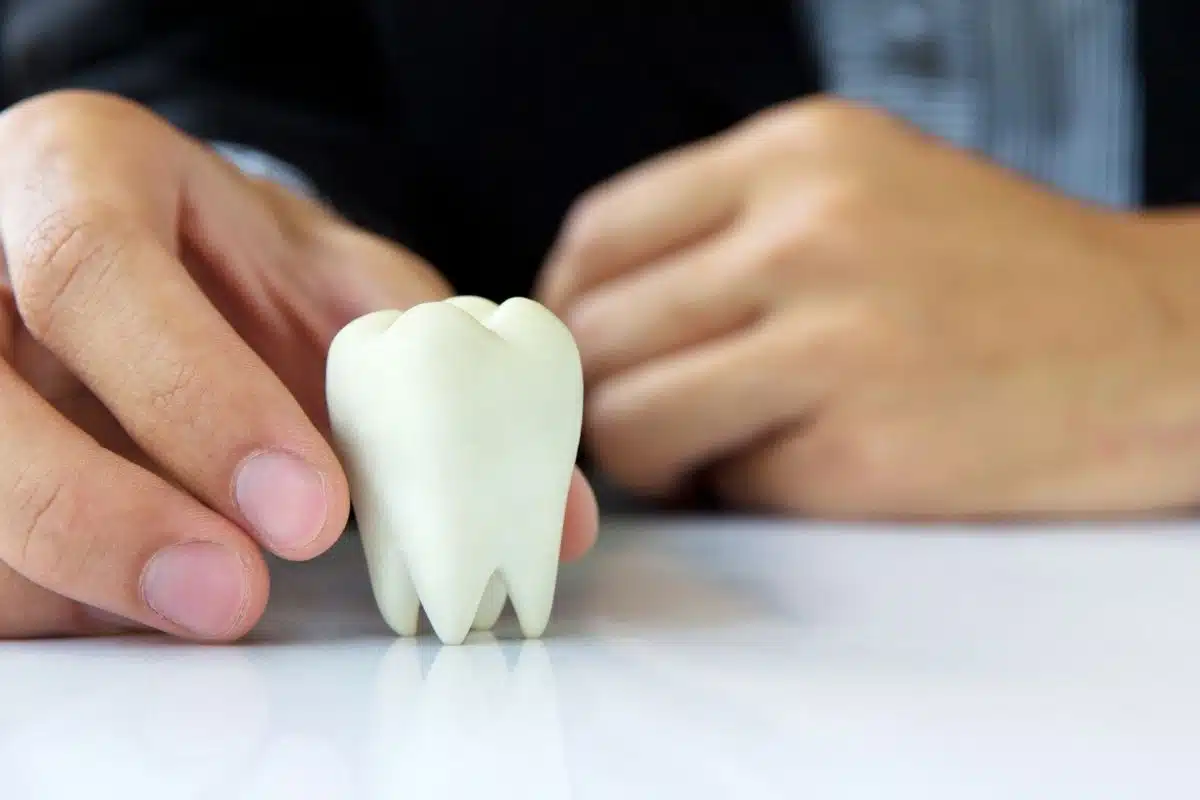
Losing a tooth often does not feel like a big problem at first. If the missing tooth is toward the back of the mouth or not very noticeable when smiling, it can be easy to assume the gap will not really matter.
Many people simply adjust and move on with their daily routines. Eating may still feel mostly normal, and the space where the tooth once was may not seem like an urgent concern.
However, even a single missing tooth can gradually influence how the rest of the mouth functions. Teeth rely on each other for balance and alignment. When one is removed, the surrounding teeth may slowly begin to shift toward the open space. Over time, this movement can affect bite alignment and make certain areas harder to keep clean.
Because of these changes, dentists often recommend exploring replacement options after a tooth has been extracted. Restoring the missing tooth can help maintain stability for the surrounding teeth and support a balanced bite.
When a Tooth May Not Need to Be Replaced
Not every extracted tooth needs to be replaced. One of the most common examples is a wisdom tooth.
Wisdom teeth are often removed because they are impacted, crowded, or difficult to keep clean. Since they sit at the very back of the mouth and usually do not play a major role in chewing or bite alignment, replacing them is generally unnecessary.
Aside from wisdom teeth, there may be other situations where replacement is not immediately required. During an exam, a dental team can evaluate the position of the missing tooth and how it may affect nearby teeth over time. We at Karr & Hardee Dentistry offer restorative treatment in our Amarillo office after a thorough checkup of the condition. Whether you have recently had an extraction or have had missing teeth for a while, a conversation with our team will help you determine whether a missing tooth needs replacement. You can easily reach us by calling (806) 352-2800.
How a Missing Tooth Can Affect the Rest of the Mouth
When a tooth is lost, the impact goes beyond the visible gap. The jawbone underneath the missing tooth begins to change because it no longer receives stimulation from the tooth root during chewing. Over time, this area of bone may gradually shrink. This process can influence the shape of the jaw and the way surrounding teeth fit together.
Another common change involves tooth movement. Teeth next to the empty space can slowly drift out of position, while the opposing tooth may extend slightly because it no longer has contact with a matching tooth.
For this reason, replacing a missing tooth is often recommended to help maintain the natural alignment and function of the bite.
Pulled Tooth Replacement Options
Dental Implants
Dental implants are one of the most widely used solutions for replacing a single missing tooth. An implant replaces the root of the missing tooth with a small titanium post that is placed in the jawbone. After the area heals and the bone integrates with the post, a custom crown is attached to restore the visible portion of the tooth.
We often recommend implants because they function independently from neighboring teeth while also supporting the jawbone. This approach helps preserve the bone’s structure and provides a stable foundation for chewing.
Dental Bridges
A dental bridge is another common method for restoring the space left by a missing tooth.
This restoration uses the teeth on each side of the gap as support. Crowns are placed on the neighboring teeth, and a replacement tooth is placed between them to fill the gap.
Bridges can restore both appearance and chewing ability while keeping the surrounding teeth aligned. In situations where the adjacent teeth already need crowns, a bridge can be an efficient solution.
Partial Dentures
When several teeth are missing, a partial denture may be recommended.
A partial denture is a removable appliance designed to replace one or more missing teeth. The replacement teeth are attached to a gum colored base that rests along the gums and fits around the remaining natural teeth.
Modern partial dentures are designed to be lighter and more natural-looking than many people expect. They allow multiple teeth to be restored at once while supporting the overall function of the bite.
Choosing the Right Replacement Option
The most appropriate solution depends on several individual factors. These may include the location of the missing tooth, the health of the surrounding teeth, and the amount of bone available in the jaw.
A comprehensive dental evaluation helps identify which options are most suitable. At our Amarillo office, our dentists, Dr. Karr and Dr. Hardee, review the condition of the teeth and gums and explain which treatment may help restore function and appearance based on lifestyle and personal needs. These conversations are meant to provide clear information so patients can make confident decisions about their care.
If you would like to learn which option may be right for you, schedule a consultation with our team to discuss the available treatment choices and next steps.
Our office is located in the Soncy neighborhood on the western edge of Amarillo, and we regularly see families from The Greenways, Westover Village, Bushland, and surrounding communities. The office is open Monday through Friday during regular hours for consultations and dental care.
Restoring Balance to the Smile
Even though losing a single tooth may not seem urgent at first, its effects can gradually affect the rest of the mouth. Fortunately, modern dentistry offers several reliable ways to restore the space and support the health of surrounding teeth.
Whether the solution involves an implant, a bridge, or a removable restoration, the goal is to restore a comfortable bite while preserving the natural balance of the smile.
Taking the time to explore these options after a tooth extraction can help ensure that a single missing tooth does not lead to more serious concerns in the future.
Recent Post

April 7, 2026
Do Dentists Check for Oral Cancer During Routine Visits?

March 30, 2026
Is Tooth Extraction Necessary for Severe Cavities?

March 23, 2026
Are White Spots on Teeth a Sign of Early Tooth Decay?
March 16, 2026
What Are the Options for Replacing a Pulled Tooth?

March 9, 2026
Do Dental Problems Resolve Without Treatment?

February 27, 2026
Toothache But No Cavity? Here Are 5 Possible Reasons

February 20, 2026
What Can Be Done For A Missing Tooth?

February 13, 2026
Is Your Baby’s Tooth Infected? Signs Every Amarillo Parent Should Know

February 6, 2026
Valentine’s Day Smile Prep: 7 Simple Steps Before Your Date

January 28, 2026