New Patients Are Welcome!

5 Reasons To Consider Sedation Dentistry For Dental Anxiety
January 16, 2023
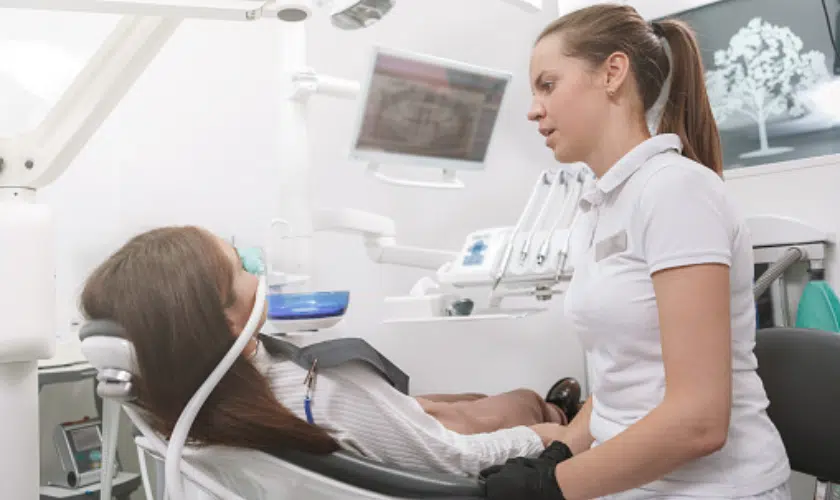
Are you someone who avoids going to the dentist because of fear or anxiety? Sedation dentistry could be the solution for your dental needs. Sedation dentistry is a form of dental treatment that uses various forms of sedatives, such as general anesthesia, nitrous oxide, intravenous (IV) drugs, and oral conscious sedation (OCS). Sedation dentistry has been around since the late 1800s and is used to manage pain and stress in patients who feel anxious during their dental visits.
Role Of Sedation Dentistry
Sedation Dentistry provides safe and effective relief from dental anxiety and fear. It helps relax patients so they are able to undergo any necessary dental procedures without feeling anxious or uncomfortable. Sedation dentistry can also help reduce pain and gag reflexes, as well as provide a better experience overall.
Sedation dentists are specially trained to administer sedatives in order to ensure the safety of their patients. Sedation dentists use a variety of medications and techniques to calm patients during dental procedures. Sedatives are carefully monitored by experienced professionals and doses are tailored to each patient’s individual needs.
Reasons To Consider Sedation Dentistry
There are many reasons why people choose sedation dentistry for their oral health care needs. Here are five of the top reasons to consider Sedation Dentistry:
1. For those with dental anxiety and fear
Sedation dentistry helps patients who suffer from extreme dental anxiety or fear, allowing them to have a more comfortable and relaxed experience during their visit. Sedatives help reduce pain and discomfort while also reducing any stress or tension that may be experienced by the patient.
2. For those dealing with chronic pain
Sedation dentistry can help manage any underlying issues related to chronic pain, such as jaw clenching or TMJ disorder, during treatment. This can make it easier for the dentist to perform necessary procedures without causing additional discomfort or distress.
3. For people with special needs
Sedation dentistry is beneficial for individuals with special needs who may not be able to tolerate a regular dental visit. Sedatives can help create a calmer, more relaxed environment for these individuals so they can receive the care they need in comfort.
4. For complex dental treatment
Sedation dentistry is especially helpful for patients who require complex procedures or lengthy treatments. Sedatives can allow the patient to remain comfortable and relaxed during long appointments and make it easier for the dentist to complete necessary procedures with minimal disruption or stress.
5. For those who struggle with gag reflex
Sedation dentistry is also beneficial for people who have difficulty controlling their gag reflexes during treatment. Sedatives can help reduce this reflex and make it easier for the dentist to perform necessary work without the patient experiencing any discomfort or distress.
Conclusion
Sedation dentistry is a safe and effective way to help manage fear, anxiety, and discomfort during dental appointments. Sedatives can make it easier for patients to receive the care they need in comfort. Sedation dentists are specially trained to administer sedatives and monitor their effects on the patient. If you’re looking for Sedation Dentist in Amarillo, then look no further as our team of experienced professionals at Karr & Hardee Dentistry provides quality Sedation Dentistry in Amarillo. Contact us today to learn more about how Sedation Dentistry can help you!
Recent Post
October 7, 2026
Do You Need a Bone Graft Before Dental Implants?

October 1, 2026
The Best Tools for Effective Teeth Cleaning at Home

September 21, 2026
Why Does My Jaw Hurt When I Wake Up?
September 14, 2026
Why Do My Teeth Hurt When I Drink Something Cold?
September 10, 2026
How Long Do Porcelain Bridges Really Last?
September 3, 2026
Dental Sealants for Kids: Are They Really Necessary?
August 27, 2026
Bleeding Gums When You Brush? Here’s What That Might Actually Mean

August 19, 2026
Electric or Manual: Which Toothbrush Actually Cleans Your Teeth Better?

August 13, 2026
How to Brighten Yellow Teeth at Home Naturally

August 5, 2026