New Patients Are Welcome!

Oral Exams for Infants: The Key to Early Detection of Dental Issues
May 30, 2023
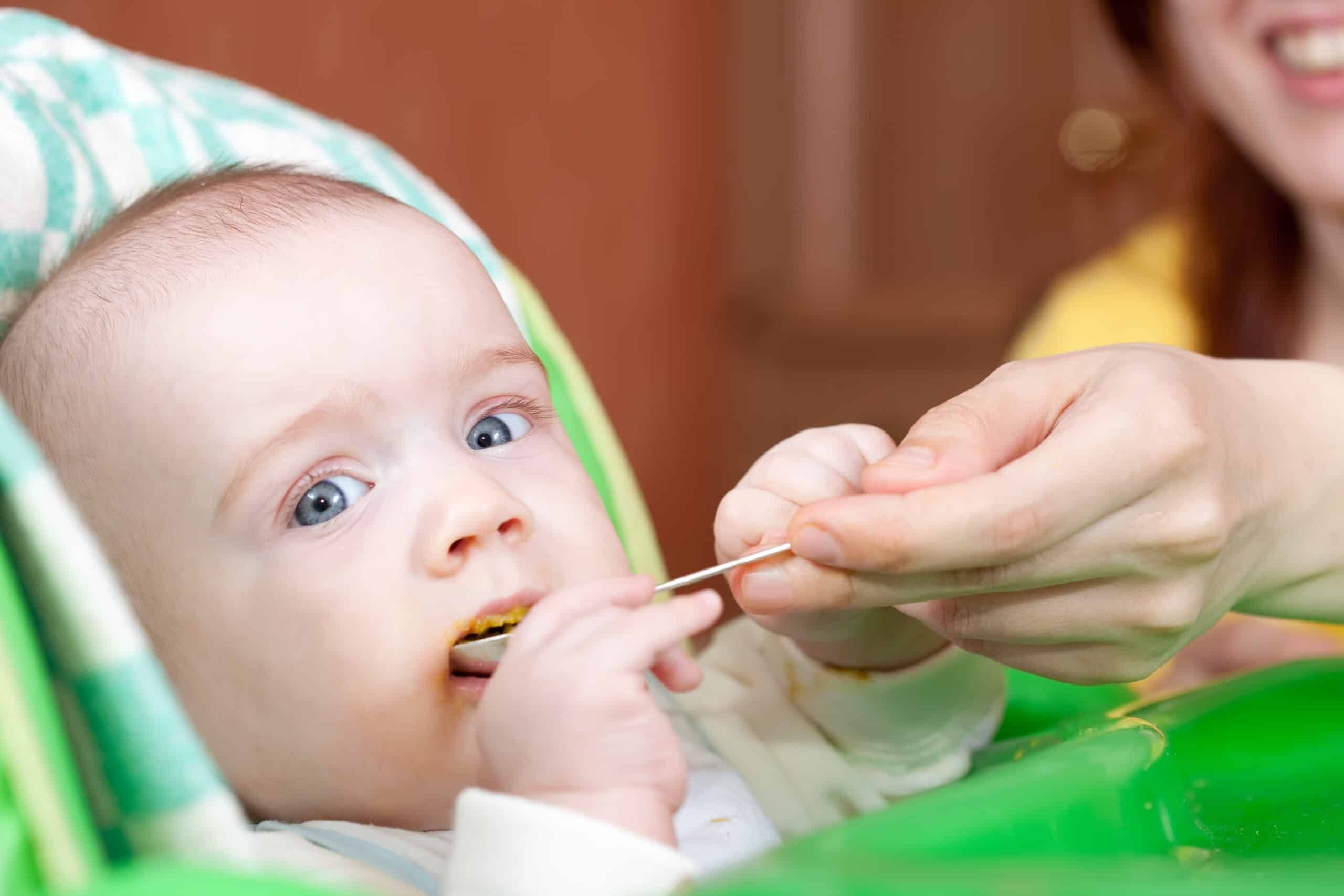
As a parent, you want to do everything possible to ensure your child’s health and well-being. While regular check-ups with the pediatrician are important, it’s essential not to overlook your little one’s dental health. Did you know that early detection of dental issues in infants can prevent bigger problems down the line? That’s where oral exams for infants come in! In this blog post, we’ll explore what oral exams for infants entail and why they’re so crucial for identifying potential dental issues early on. So let’s dive in!
What are oral exams for infants?
Oral exams for infants are dental check-ups performed by a pediatric dentist to assess your baby’s oral health. These exams are typically recommended within the first six months of your child’s life and should be continued at least twice a year until their permanent teeth come in.
During an oral exam, the pediatric dentist will evaluate your infant’s gums, tongue, lips, and teeth. They’ll also look for signs of tooth decay or any other dental issues that may affect your little one’s oral health.
The good news is that oral exams for infants are usually quick and straightforward, typically lasting only a few minutes. The dentist will use specialized tools like mirrors and probes to perform the examination gently.
If you’re wondering whether it’s worth taking time out of your busy schedule to bring your baby in for an oral exam- rest assured! Early detection of dental issues can help prevent bigger problems down the line and save you money on costly treatments later on. So don’t hesitate to make an appointment with a pediatric dentist near you today!
The benefits of early detection of dental issues
Early detection of dental issues in infants is crucial for their overall health and well-being. By taking your child to regular oral exams, you can prevent any serious dental problems from developing.
One of the benefits of early detection is that it allows for prompt treatment. If a problem is detected early on, it can be treated before it becomes more severe. This not only saves you money but also ensures your child’s comfort and prevents them from experiencing any unnecessary pain or discomfort.
Another benefit of early detection is that it helps promote good oral hygiene habits at an early age. Regular checkups provide opportunities for parents to learn how to take care of their child’s teeth and gums properly. They may receive advice on brushing techniques, dietary recommendations, and other helpful tips.
Additionally, detecting dental issues early on helps prevent complications that may affect other areas of the body such as speech development and nutrition absorption.
Scheduling regular oral exams for your infant has numerous benefits including prompt treatment, promoting good oral hygiene habits at an earlier age, and preventing further complications down the line. Don’t wait until it’s too late! Book an appointment with your dentist today!
How to prepare for your infant’s oral exam
Preparing your infant for their first oral exam can seem like a daunting task, but with a few simple steps, you can make the experience as stress-free as possible. First and foremost, it’s important to schedule the appointment at a time when your child is well-rested and fed. This will ensure that they are in a good mood and less likely to be fussy during the exam.
Before the appointment, take some time to familiarize your child with toothbrushes and other dental tools by incorporating them into their daily routine. Letting them play with these items will help reduce any fear associated with unfamiliar objects in their mouth.
It’s also important to bring along any relevant medical records or information about a family history of dental issues. This information can help your dentist better understand potential risk factors or hereditary concerns.
Consider bringing along comfort items such as toys or blankets that may calm your infant if they become upset during the exam. With proper preparation and communication between you and your dentist, an oral exam for infants can be quick, easy, and even enjoyable!
What to expect during the exam
During an infant’s oral exam, the dentist will examine your child’s mouth for any signs of dental issues. The exam is painless and non-invasive, so there is no need to worry.
The first step in the exam is a visual inspection of the mouth, teeth, and gums. The dentist will look for any abnormalities such as tooth decay or gum disease. They may use a small mirror to get a better view of hard-to-see areas.
After the visual inspection comes the physical examination. The dentist will feel around your baby’s mouth and gums with their fingers to check for any lumps or bumps that could be indicative of dental problems.
Next up is checking on your baby’s bite alignment which can affect speech and chewing abilities later on in life if not addressed early enough. This assessment will ensure that everything develops correctly both aesthetically and functionally
They may recommend X-rays if necessary to get a closer look at what’s happening beneath the surface – but only when absolutely necessary since babies are more sensitive than adults towards radiation
Overall,the oral exam process should be quick yet thorough,and it gives you peace of mind about your child’s dental health while also helping detect potential issues early on before they escalate into bigger problems
After the exam: what to do if dental issues are found
If your infant’s oral exam detects any dental issues, it is important to take action as soon as possible. The first step is to discuss the issue with your pediatric dentist and understand what kind of treatment is required.
In some cases, the dentist may recommend a change in diet or hygiene practices to prevent further damage. For example, if there are signs of tooth decay, reducing sugar intake and improving brushing habits can help slow down its progression.
If the issue requires more extensive treatment such as fillings or extractions, it is important not to delay scheduling these procedures. Delaying treatment can cause pain and discomfort for your child and potentially lead to more serious health problems in the future.
It’s also important for parents to continue regular check-ups and cleanings for their infants even after a dental issue has been resolved. This will ensure that any new issues are caught early on before they become bigger problems.
While discovering dental issues in infants can be concerning for parents, taking prompt action with guidance from a pediatric dentist can help address these concerns effectively.
Conclusion
Oral exams for infants are crucial in detecting dental issues early on. By taking your child to a pediatric dentist for regular check-ups, you can help ensure that any problems are addressed before they worsen. The benefits of early detection cannot be overstated; not only does it save you time and money in the long run, but it also helps prevent unnecessary pain and discomfort for your child.
Recent Post
October 7, 2026
Do You Need a Bone Graft Before Dental Implants?

October 1, 2026
The Best Tools for Effective Teeth Cleaning at Home

September 21, 2026
Why Does My Jaw Hurt When I Wake Up?

September 14, 2026
Why Do My Teeth Hurt When I Drink Something Cold?
September 10, 2026
How Long Do Porcelain Bridges Really Last?
September 3, 2026
Dental Sealants for Kids: Are They Really Necessary?
August 27, 2026
Bleeding Gums When You Brush? Here’s What That Might Actually Mean

August 19, 2026
Electric or Manual: Which Toothbrush Actually Cleans Your Teeth Better?

August 13, 2026
How to Brighten Yellow Teeth at Home Naturally

August 5, 2026