New Patients Are Welcome!

Maintain your Beautiful Smile: Benefits of Sedation Dentistry
November 5, 2023
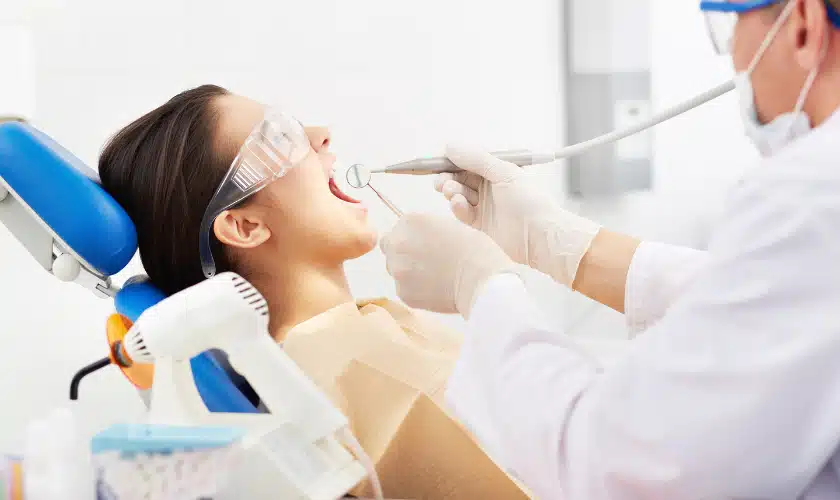
Are you afraid of visiting the dentist because of dental anxiety, fear or phobia? Do needles or drills make your heart race faster than an Olympic sprinter? If so, you’re not alone. Millions of people around the world suffer from dental phobia and avoid trips to the dentist, putting their oral health at risk. Luckily, sedation dentistry can help ease those fears and give you a beautiful smile without any stress or pain. In this blog post, we’ll explore how sedation dentistry works and its incredible benefits that will have you smiling wide in no time!
What is Sedation Dentistry?
If you have ever been to the dentist, you know that the experience can be a bit anxiety-inducing. Even if you don’t have a fear of the dentist, the idea of having someone poking around in your mouth can be a bit discomforting. This is where sedation dentistry comes in.
Sedation dentistry is a way to help patients relax during their dental procedures. There are different levels of sedation, from light sedation where you are still awake but relaxed, to deep sedation where you are asleep for the procedure. The type of sedation used will depend on the procedure being done and the patient’s level of anxiety.
There are many benefits to sedation dentistry, both for the patient and the dentist. For patients, it means that they can get through their dental procedures with much less anxiety and discomfort. It also means that procedures that would otherwise be too painful to tolerate can be done with sedation. And for dentists, it means being able to do more complex procedures on patients who might not otherwise be able to tolerate them.
If you are considering sedation dentistry for your next procedure, talk to your dentist about what options are available and what would be best for you.
How Does Sedation Dentistry Work?
Sedation dentistry is a field of dentistry that uses medication to help patients relax during dental procedures. There are various levels of sedation, from minimal sedation (also called anxiety control) to general anesthesia. Your dentist will work with you to determine the best level of sedation for your needs and comfort level.
Minimal sedation Dentistry (anxiety control Dentistry) generally refers to the use of oral medication to help you relax during your dental treatment. The medications used most often include anti-anxiety pills (such as alprazolam/Xanax®, lorazepam/Ativan®, diazepam/Valium®, or midazolam/) or nitrous oxide (“laughing gas”).
With minimal sedation, you are awake and able to respond to questions and commands from your dentist. However, you may not remember much of the procedure once it is over.
Moderate sedation, also called “conscious sedation,” generally refers to the administration of intravenous (IV) medication that produces moderate relaxation. You are usually awake but may not be able to remember much about the procedure once it is over.
Deep sedation is sometimes referred to as “sleep dentistry,” although this is not an accurate description because you are not truly asleep during the procedure. Deep sedation generally refers to the administration of intravenous medication that produces a deep level of relaxation. You may not
Types of Sedation Used in Dentistry
There are four main types of sedation used in dentistry: nitrous oxide, oral sedation, intravenous (IV) sedation, and general anesthesia. Each type of sedation has its own set of benefits and risks.
Nitrous oxide, also known as laughing gas, is the most commonly used type of sedation in dentistry. It is a safe and effective way to help relax patients during dental procedures. Nitrous oxide is inhaled through a mask that is placed over the nose and mouth. The gas works quickly to help reduce anxiety and fear. Patients remain awake and able to communicate with the dentist during the procedure. The effects of nitrous oxide wear off soon after the procedure is over.
Oral sedation is another option for patients who experience anxiety or fear during dental procedures. Medication is taken by mouth about an hour before the procedure is scheduled to begin. Oral sedation helps patients to feel more relaxed and can make the dental procedure feel shorter. Unlike nitrous oxide, patients who take oral sedation may not be able to drive themselves home after the procedure.
IV sedation involves administering medication through a vein in the arm. IV sedation can help patients achieve a deeper level of relaxation than oral or nitrous oxide sedation. The effects of IV sedation can last for several hours after the procedure is over. Patients will need someone to drive them home after their appointment if they receive IV sedation.
The Benefits of Sedation Dentistry
There’s no doubt that a healthy, beautiful smile is an important asset. But for many people, the thought of going to the dentist can be downright scary. If you’re one of those people, sedation dentistry may be a good option for you.
Sedation dentistry uses medication to help patients relax during dental procedures. It’s sometimes called sleep dentistry because it can make patients drowsy and even put them to sleep.
There are several different types of sedation, ranging from very mild (such as inhaled nitrous oxide) to more deep sedation (intravenous sedation). The type of sedation your dentist uses will depend on the procedure being done and your level of anxiety.
Some of the benefits of sedation dentistry include:
Reduced anxiety and fear:
For many people, the biggest benefit of sedation dentistry is that it helps them overcome their fear of the dentist. If you’ve been putting off going to the dentist because you’re scared, sedation dentistry can help you get the care you need without all the anxiety.
Less pain:
Sedation can also help reduce any discomfort associated with dental procedures. This is especially helpful for people who have a low tolerance for pain or who have sensitive teeth.
No needles:
One of the things that makes some people anxious about going to the dentist is the thought of getting injections (shots) of Novocain or
Who Can Benefit from Sedation Dentistry?
Sedation dentistry can offer a variety of benefits for patients. For example, it can be used to help those who:
- Have a fear or anxiety of dental procedures
- Have a sensitive gag reflex
- Need multiple procedures done in one appointment
- Have difficulty getting numb during dental procedures
- Have a strong dislike of needles and injections
Risks and Side Effects Associated with Sedation Dentistry
Sedation dentistry is a field of dental care that uses medication to help patients relax during dental procedures. Although sedation dentistry is safe for most people, there are some risks and side effects associated with the use of sedation medication.
The most common side effect of sedation medication is drowsiness. Patients may feel sleepy and have difficulty staying awake during their dental procedure. This side effect usually goes away within a few hours after the procedure is finished.
Some patients may also experience minor side effects such as dry mouth, headache, or dizziness. These side effects are typically mild and go away quickly.
There are also some rare but serious risks associated with sedation dentistry. These include allergic reactions to the medication, breathing problems, and heart problems. Any patient who has a history of allergies, asthma, or heart disease should talk to their dentist before having any type of sedation dental procedure.
Overall, sedation dentistry is safe for most people. However, it is important to talk to your dentist about any medical conditions you have and to ask about any potential risks or side effects before having any type of sedation dental procedure.
Conclusion
Maintaining your beautiful smile is an important part of overall health and well-being. Sedation dentistry can be a great way to ensure that even those with anxiety or fear are able to get the dental care they need in order to keep their mouths healthy and attractive. With sedation dentistry, you can receive quality dental care without worrying about pain or discomfort, so make sure you speak to your dentist about this option if it’s right for you. Your smile is too important not to take care of it!
Recent Post
October 7, 2026
Do You Need a Bone Graft Before Dental Implants?

October 1, 2026
The Best Tools for Effective Teeth Cleaning at Home

September 21, 2026
Why Does My Jaw Hurt When I Wake Up?

September 14, 2026
Why Do My Teeth Hurt When I Drink Something Cold?
September 10, 2026
How Long Do Porcelain Bridges Really Last?
September 3, 2026
Dental Sealants for Kids: Are They Really Necessary?
August 27, 2026
Bleeding Gums When You Brush? Here’s What That Might Actually Mean

August 19, 2026
Electric or Manual: Which Toothbrush Actually Cleans Your Teeth Better?

August 13, 2026
How to Brighten Yellow Teeth at Home Naturally

August 5, 2026