New Patients Are Welcome!

Is It Normal to Lose Weight After Dental Surgery?
August 8, 2024
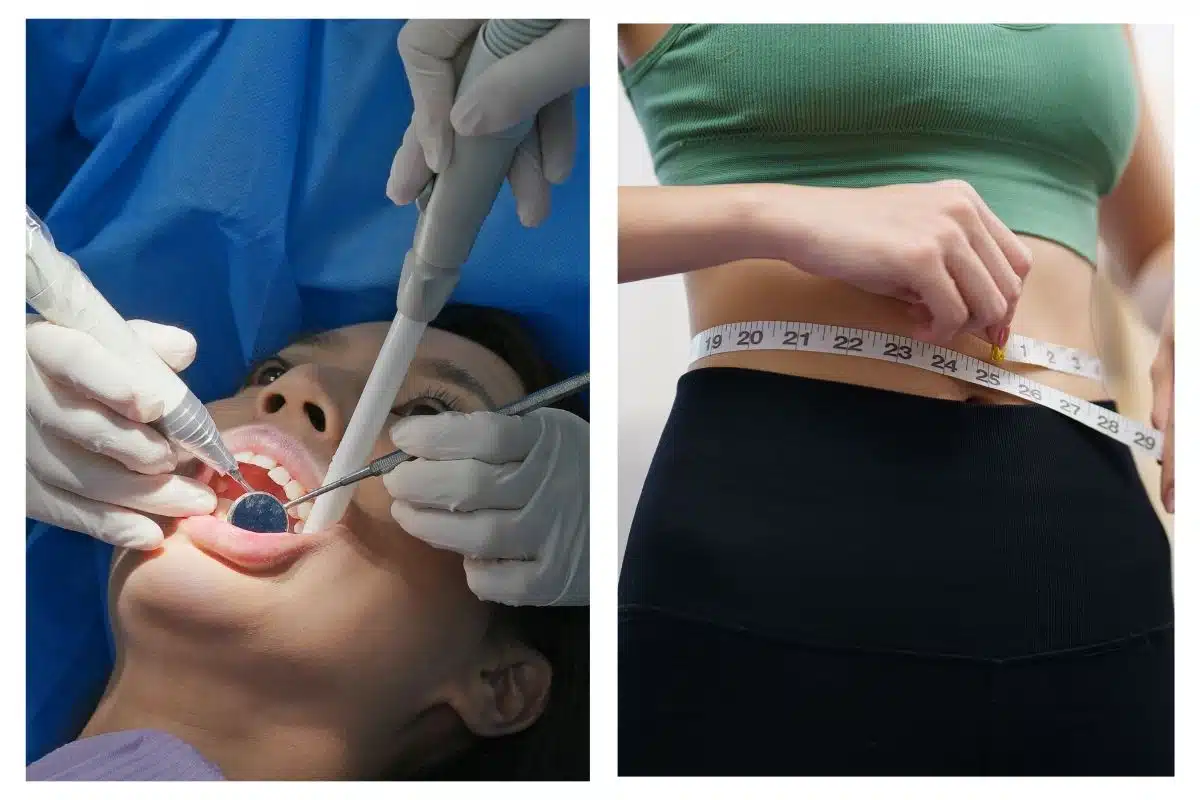
Dental surgery, whether it’s for wisdom teeth removal, root canals, or dental implants, can significantly impact a person’s daily routine, especially in terms of diet and nutrition. One common concern many patients have post-surgery is weight loss. This blog will explore whether it is normal to lose weight after dental surgery, why it might happen, and what can be done to maintain a healthy weight during recovery.
Why Does Weight Loss Occur After Dental Surgery?
Weight loss after dental surgery is a common occurrence. Several factors contribute to this phenomenon:
1. Dietary Restrictions: Post-surgery dietary restrictions often mean a shift from solid foods to softer, often lower-calorie options. This change can lead to a reduced calorie intake.
2. Pain and Discomfort: The pain and discomfort associated with dental surgeries, such as dental implant surgery, can make eating a less appealing activity. Swelling and soreness can further discourage normal eating habits.
3. Stress and Anxiety: The stress and anxiety surrounding the surgery and the recovery process can also affect appetite and eating patterns.
4. Medication Side Effects: Pain medications and antibiotics prescribed post-surgery can sometimes cause nausea or reduce appetite, contributing to weight loss.
Normal vs. Concerning Weight Loss
While some weight loss is normal after dental surgery, it is important to differentiate between normal and concerning weight loss. Losing a few pounds during the first week or two of recovery is typically not a cause for concern. However, significant or prolonged weight loss can indicate a problem that needs to be addressed by a healthcare professional.
Signs of Concerning Weight Loss
If you experience any of the following symptoms, it is important to seek medical advice:
1. Persistent or Severe Weight Loss: Losing more than 5-10% of your body weight unintentionally over a short period.
2. Inability to Eat or Drink: If pain or discomfort is so severe that you cannot consume the necessary nutrients.
3. Signs of Malnutrition: Symptoms like dizziness, extreme fatigue, or noticeable muscle loss.
Tips For Managing Weight Loss After Dental Surgery
1. Focus on Nutrient-Dense Foods: Incorporate nutrient-dense, soft foods into your diet. Smoothies, mashed potatoes, yogurt, and scrambled eggs are excellent choices that provide essential nutrients without causing discomfort.
2. Frequent, Small Meals: Eating smaller, more frequent meals can help maintain your calorie intake without putting too much pressure on your surgical site.
3. Hydration is Key: Staying hydrated is crucial. Drink plenty of water and consider nutrient-rich liquids like broth or protein shakes.
4. Monitor Your Progress: Keep track of your weight and nutritional intake. If you notice significant weight loss or a persistent lack of appetite, consult your dentist or healthcare provider.
Sample Meal Plan for Post-Dental Surgery
Here’s a sample meal plan to help maintain your weight and nutrition after dental implant surgery:
1. Breakfast: Smoothie made with yogurt, protein powder, banana, and spinach.
2. Mid-Morning Snack: Applesauce or a small serving of mashed avocado.
3. Lunch: Creamy soup (like butternut squash or tomato) with a side of cottage cheese.
4. Afternoon Snack: Greek yogurt with honey.
5. Evening Snack: Pudding or a small protein shake.
6. Dinner: Mashed potatoes with soft-cooked salmon or finely shredded chicken.
In summary, it is normal to experience some weight loss after dental surgery due to dietary changes, pain, and other factors. However, significant or prolonged weight loss should not be ignored. By focusing on nutrient-dense foods, staying hydrated, and monitoring your weight, you can manage this aspect of your recovery effectively. Remember, if you have any concerns about your weight loss or overall health during your recovery, consult your healthcare provider promptly.
Dental implants can ultimately enhance your quality of life by restoring normal eating habits and improving overall nutrition. If you are considering dental implant surgery, rest assured that with the right preparation and post-surgery care, you can maintain your health and well-being throughout the recovery process.
Recent Post

October 7, 2026
Do You Need a Bone Graft Before Dental Implants?

October 1, 2026
The Best Tools for Effective Teeth Cleaning at Home

September 21, 2026
Why Does My Jaw Hurt When I Wake Up?

September 14, 2026
Why Do My Teeth Hurt When I Drink Something Cold?
September 10, 2026
How Long Do Porcelain Bridges Really Last?
September 3, 2026
Dental Sealants for Kids: Are They Really Necessary?
August 27, 2026
Bleeding Gums When You Brush? Here’s What That Might Actually Mean

August 19, 2026
Electric or Manual: Which Toothbrush Actually Cleans Your Teeth Better?

August 13, 2026
How to Brighten Yellow Teeth at Home Naturally

August 5, 2026