New Patients Are Welcome!

A Comprehensive Guide to Dental Implants for a Perfect Smile
January 20, 2024
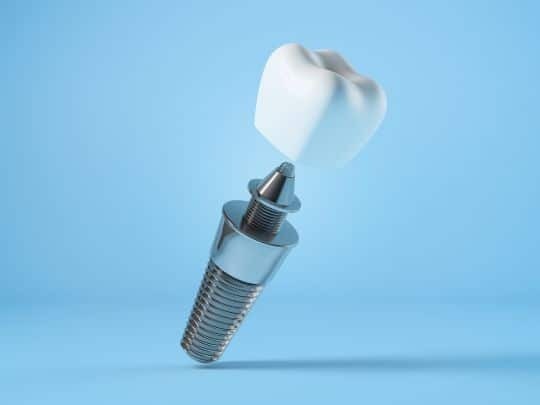
Missing teeth can have a profound effect on your daily life, making it difficult to chew, speak clearly, and maintain self-confidence. Fortunately, dental implants provide a transformative solution to restore both function and appearance.
Whether you’re missing a single implant tooth or need multiple implant teeth, this innovative treatment can help rebuild your smile and support long-term dental health. In this comprehensive guide, you’ll learn everything you need to know about dental implants, empowering you to take control of your oral care and make confident decisions about your future smile.
What are Dental Implants?
Unlike dentures or bridges that rest on the gums or rely on adjacent teeth for support, dental implants offer a permanent and stable solution for tooth replacement. Designed to replicate the structure of a natural tooth closely, they consist of three essential components:
Implant Post: This screw-like post, made of biocompatible titanium, serves as the artificial tooth root. An implant dentist surgically places it into the jawbone, where it bonds with the bone through a natural process called osseointegration, creating a strong foundation for implant teeth.
Abutment: The abutment is a small connector attached to the implant post. It acts as the base for the final restoration, ensuring that the implant tooth remains securely in place.
Crown/Restoration: This is the visible portion of the implant. Custom-crafted from porcelain or other durable materials, the crown is designed to mimic the shape, size, and color of your natural teeth, blending seamlessly into your smile.
By closely replicating the natural function and appearance of real teeth, dental implants support long-term oral care and overall dental health, making them a preferred choice for lasting tooth replacement.
Benefits of Dental Implants
Dental implants offer a multitude of advantages over traditional tooth replacement options:
1. Enhanced Functionality: Implants function similarly to natural teeth, allowing you to chew, speak, and smile with confidence and ease. You won’t experience the slipping or discomfort often associated with dentures.
2. Improved Aesthetics: Implants are designed to blend seamlessly with your existing teeth, creating a natural-looking smile that boosts your self-esteem.
3. Durability: Made from high-quality materials, dental implants are powerful and can last a lifetime with proper care.
4. Preserves Jawbone Health: Unlike dentures, which can contribute to jawbone deterioration, implants stimulate the jawbone, preventing bone loss and maintaining facial structure.
5. Improved Oral Health: Implants make it easier to maintain good oral hygiene because you can brush and floss them just like natural teeth.
6. Long-Term Investment: While the initial cost of dental implants may be higher than other options, their longevity and minimal maintenance requirements make them a cost-effective solution in the long run.
Who is a Candidate for Dental Implants?
Dental implants are a versatile solution for most adults missing one or more teeth. However, some factors can affect your candidacy, such as:
Overall Health: Good general health is essential for undergoing surgery and promoting successful osseointegration.
Jawbone Health: Sufficient jawbone density is crucial for supporting the implant. If bone loss is present, bone grafting procedures may be necessary before dental implant placement.
Oral Hygiene Habits: Maintaining excellent oral hygiene is vital for the long-term success of implants.
Tips for Caring for Your Dental Implants
With proper care, dental implants can last a lifetime. Here’s how to maintain optimal oral health and the longevity of your implants:
1. Maintain Excellent Oral Hygiene: Brush twice daily and floss once a day, paying particular attention to the area around the implant. Use a soft-bristled toothbrush and an interdental cleaning tool recommended by your dentist.
2. Regular Dental Checkups: Schedule regular dental checkups and cleanings to ensure your implants and surrounding teeth remain healthy. Your dentist can monitor the implant site for any signs of infection or other complications.
3. Healthy Diet: Maintain a balanced diet low in sugary and acidic foods to promote overall oral health.
4. Avoid Bad Habits: Avoid smoking and excessive alcohol consumption, as these habits can compromise implant success.
Conclusion
Dental implants offer a life-changing solution for restoring a healthy smile and improving your quality of life. If you’re considering dental implants, this comprehensive guide has equipped you with the essential information to make informed decisions. Consulting a qualified implant dentist is the first step towards achieving a confident smile and optimal oral health.
Schedule a consultation to take the first step toward lasting dental health and renewed confidence.
Recent Post

October 7, 2026
Do You Need a Bone Graft Before Dental Implants?

October 1, 2026
The Best Tools for Effective Teeth Cleaning at Home

September 21, 2026
Why Does My Jaw Hurt When I Wake Up?

September 14, 2026
Why Do My Teeth Hurt When I Drink Something Cold?
September 10, 2026
How Long Do Porcelain Bridges Really Last?

September 3, 2026
Dental Sealants for Kids: Are They Really Necessary?
August 27, 2026
Bleeding Gums When You Brush? Here’s What That Might Actually Mean

August 19, 2026
Electric or Manual: Which Toothbrush Actually Cleans Your Teeth Better?

August 13, 2026
How to Brighten Yellow Teeth at Home Naturally

August 5, 2026