New Patients Are Welcome!

Morning vs. Night Brushing: Which Protects Your Family’s Teeth Better?
November 28, 2025
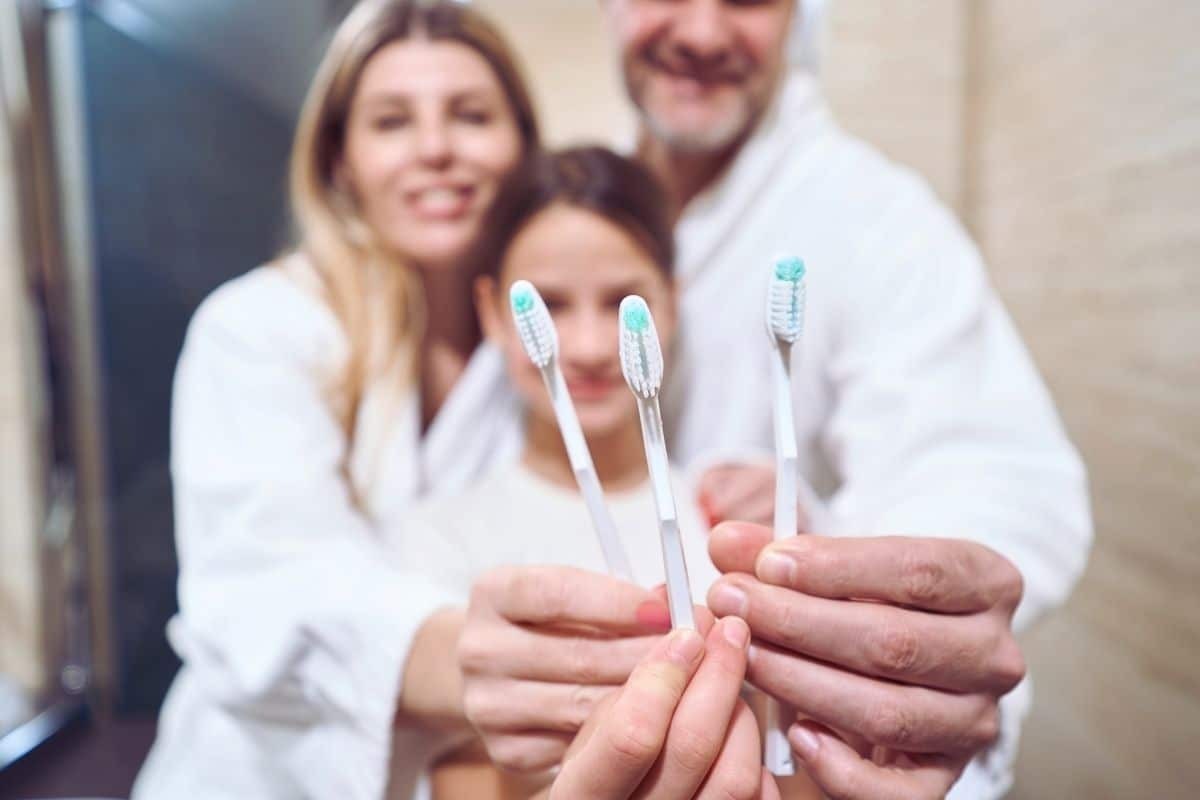
Parents work hard to establish good habits at home, and daily brushing is one of the most important. A question that comes up often is whether brushing in the morning or brushing at night carries more weight when it comes to keeping teeth healthy. Knowing what happens inside the mouth during the day and while sleeping helps families make decisions that support healthier routines for both children and adults.
Brushing removes plaque that builds up naturally over time. Plaque contains bacteria that feed on leftover food particles and release acids that weaken enamel. When plaque stays on the teeth too long, it hardens into tartar, which increases the risk of gum inflammation and cavities. Understanding how brushing interacts with this process is key to developing consistent habits.
How the Mouth Changes During the Day and Night
The mouth is not the same environment at all hours. During the day, saliva plays an important role by washing away bacteria and neutralizing acids. This helps protect enamel even when meals, snacks, and drinks introduce new sugars into the mouth. At night, saliva production slows down. Without enough saliva, bacteria have more opportunity to produce acids that weaken enamel. Children have an additional risk because their enamel is still developing, and they may not yet be consistent with brushing technique.
Both morning and night brushing help interrupt the plaque cycle, but they do so at different moments in the day when the mouth has different needs.
Why Morning Brushing Matters
Morning brushing is more than a way to freshen the breath before school or work. It removes plaque and bacteria that collected overnight while saliva production was lower. This cleaning provides a fresh start for the day and allows fluoride in toothpaste to strengthen the enamel before breakfast and snacks appear.
Many parents wonder whether brushing should happen before or after breakfast. Brushing before breakfast protects enamel with fluoride and avoids brushing immediately after acidic foods such as fruit or juice. If brushing after breakfast fits the routine better, waiting a little while can help enamel recover before brushing.
Families often benefit from simple morning strategies such as keeping toothbrushes accessible, helping younger children reach all surfaces, and encouraging the full two minutes of brushing. Morning brushing sets a positive tone for the rest of the day.
Why Night Brushing Offers Stronger Protection
Although both brushing sessions matter, night brushing usually delivers the strongest protection. Throughout the day, children and adults eat meals and snacks that leave food particles behind. These particles become fuel for bacteria, which produce acids that stay on the teeth longer at night because saliva slows down during sleep. When plaque remains on the teeth for hours without interruption, enamel becomes more vulnerable.
Brushing at night removes plaque and leftover food from the day. This reduces the amount of acid produced while sleeping and significantly lowers the risk of cavities and gum problems. Families who make night brushing a non-negotiable part of the bedtime routine often see fewer oral health issues.
Making nighttime brushing easier can involve brushing before kids get too tired, using brushing timers or songs, and supervising younger children. These small steps help families stay consistent.
Which One Protects Teeth Better
Morning and night brushing serve different purposes. Morning brushing removes overnight buildup and prepares the mouth for daily activities. Night brushing protects teeth during the hours when they are most exposed to plaque and acids. If a family compares the two sessions, night brushing usually offers the greater health benefit because it prevents plaque from sitting on the teeth all night.
That does not mean morning brushing is optional. Skipping morning brushing affects freshness, plaque control, and overall hygiene. The best results come from maintaining both morning and night brushing every day.
Trusted Family Dental Care in Amarillo
At Karr & Hardee Dentistry, we care for patients of all ages and welcome families from our serving community and nearby areas. As a family dentist in Amarillo, our focus is on supporting each household’s oral health and helping every patient maintain a healthy, confident smile. We offer routine checkups, cleanings, fluoride treatments, and age-appropriate guidance to meet the needs of children, teens, and adults. Our team prioritizes prevention, clear communication, and a comfortable experience so families can feel supported in keeping their smiles strong year-round.
How Families Can Build a Consistent Brushing Routine
Creating a brushing routine that feels natural makes daily care easier. Families often find success when brushing is linked to predictable activities, such as getting dressed in the morning and preparing for bed at night.
Other helpful approaches include placing toothbrushes within easy reach, using timers or songs for the recommended two minutes of brushing, and checking in with older children occasionally to make sure technique remains good. Most children need some form of supervision until they develop the coordination to clean all tooth surfaces effectively, which usually happens around age six or seven.
Replacing toothbrushes regularly also supports good oral health. A toothbrush with frayed bristles cannot clean effectively, so switching to a new brush every three months or sooner is a simple but important step.
Common Brushing Mistakes to Avoid
Small oversights can reduce the effectiveness of daily brushing. Some common pitfalls include:
- Allowing kids to brush unsupervised too soon
- Missing back teeth or the gumline
- Using toothpaste without fluoride
- Brushing immediately after acidic foods or drinks
- Keeping the same toothbrush for too long
Awareness of these habits helps parents make small changes that lead to better results.
When a Dental Visit Is Recommended
Regular checkups allow the dental team to look for early signs of cavities, gum inflammation, or plaque buildup. Most people benefit from preventive visits every six months unless the team recommends a different schedule based on individual needs. Catching changes early keeps care simple and helps prevent future complications.
A visit is also a good idea if anyone in the household experiences ongoing bad breath, sensitivity to cold or sweets, bleeding gums, or visible changes in the teeth. These symptoms often signal that professional attention is needed, even if they seem minor at first.
As a family-focused dental office in Amarillo, we are here to support the long-term oral health of people of all ages. If you have questions about symptoms, preventive care, or scheduling, we welcome you to contact us. Our team is ready to help families maintain healthy, steady smiles.
You can also find convenient map directions to our office when you are ready to plan your visit.
A Simple Routine That Protects Every Smile at Home
Both morning and night brushing contribute to healthier smiles, but night brushing offers stronger protection because plaque sits on the teeth longer while sleeping. Families that include both brushing times in their daily routine help strengthen enamel, reduce cavity risk, and support long-term oral health.
FAQs
What Type of Toothpaste Is Best for Children and Adults?
For most families, a fluoride toothpaste approved by the American Dental Association is the safest and most effective choice. Fluoride strengthens enamel and helps prevent cavities at every age. Younger children may benefit from milder flavors to encourage consistent brushing, while adults can choose formulas designed for sensitivity, whitening, or gum support. The key is to use a fluoride option that fits each person’s needs and to brush twice a day.
Is Brushing Twice a Day Enough for Most Families?
Brushing twice daily works well for most households as long as brushing is thorough and paired with flossing. Nighttime brushing is essential because plaque tends to remain on teeth longer during sleep. Families who maintain both morning and night brushing, plus regular dental checkups, give themselves strong daily protection against cavities and gum issues.
Does Brushing Before or After Breakfast Make a Difference?
Brushing before breakfast helps remove plaque that has formed overnight and provides enamel with a layer of fluoride protection. If someone prefers brushing after eating, it is best to wait about 20 to 30 minutes, especially after acidic foods or drinks, to avoid brushing while the enamel is temporarily softened. Both approaches can work, but brushing before breakfast is often the simplest and safest option.
What Signs Mean It’s Time to Schedule a Dental Appointment?
A dental visit is recommended if anyone in the family has ongoing bad breath, bleeding gums, sensitivity to hot, cold, or sweet foods, or any visible changes in the teeth. These signs can indicate early decay or gum inflammation. Even small changes are worth checking, since early care keeps treatment simpler and more comfortable.
How Often Should Families Replace Their Toothbrushes?
Most toothbrushes need to be replaced every three months. Once bristles become frayed or flattened, they cannot clean effectively. Children may need replacements more often because their brushes tend to wear out faster. New brushes help ensure that every brushing session does its job well.
Recent Post
October 7, 2026
Do You Need a Bone Graft Before Dental Implants?

October 1, 2026
The Best Tools for Effective Teeth Cleaning at Home

September 21, 2026
Why Does My Jaw Hurt When I Wake Up?

September 14, 2026
Why Do My Teeth Hurt When I Drink Something Cold?
September 10, 2026
How Long Do Porcelain Bridges Really Last?
September 3, 2026
Dental Sealants for Kids: Are They Really Necessary?
August 27, 2026
Bleeding Gums When You Brush? Here’s What That Might Actually Mean

August 19, 2026
Electric or Manual: Which Toothbrush Actually Cleans Your Teeth Better?

August 13, 2026
How to Brighten Yellow Teeth at Home Naturally

August 5, 2026