New Patients Are Welcome!

How Long After a Crown Cemented Can I Eat?
July 17, 2024
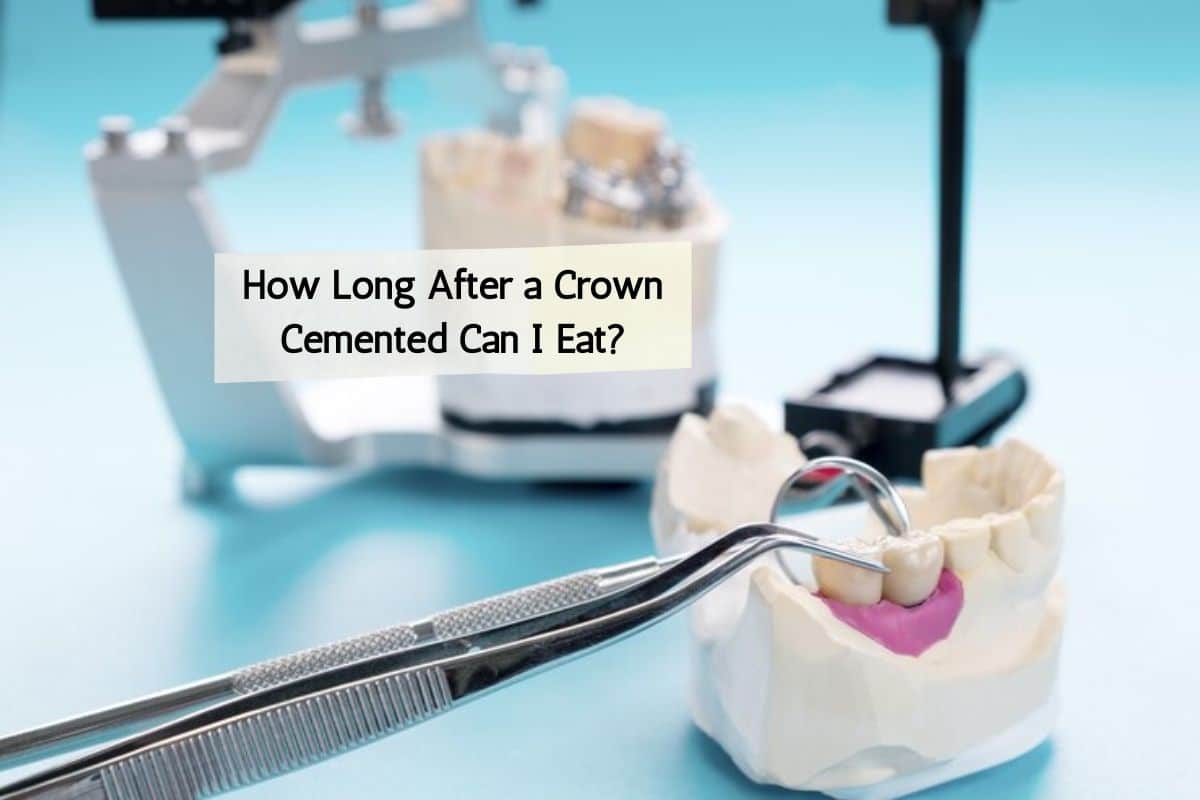
Receiving a dental crown is a significant step in restoring both the function and appearance of your teeth. Whether you’ve had a crown placed for cosmetic reasons or to strengthen a weakened tooth, understanding post-procedure care is crucial. One of the most common questions patients ask is, “How long after a crown is cemented can I eat?” This article will explore the answer to this question in detail, offering insights from cosmetic dentists and providing practical advice for your recovery.
The Crown Cementation Process
Before diving into eating guidelines, it’s essential to understand the crown cementation process. When you visit your cosmetic dentist to have your crown placed, the process typically involves:
1. Preparation: The tooth receiving the crown is reshaped to allow the crown to fit properly. This may involve filing down the tooth.
2. Impression: An impression of the reshaped tooth and surrounding teeth is taken to create a custom crown.
3. Temporary Crown: A temporary crown is placed to protect the tooth while the permanent crown is being made.
4. Permanent Crown Placement: Once the permanent crown is ready, the temporary crown is removed, and the permanent crown is cemented in place.
Immediate Post-Cementation Care
After your crown has been cemented, your cosmetic dentist will provide specific instructions for care. These guidelines are crucial to ensure the dental crown is set properly and to avoid complications. One of the primary concerns during this period is how long you should wait before eating.
Waiting Period Before Eating
The general recommendation is to wait at least one hour before eating after your crown is cemented. This allows the cement to set and the crown to stabilize. However, this waiting period can vary depending on the type of cement used and your dentist’s specific instructions.
1. Temporary Cement: If your crown is temporarily cemented, you may need to wait longer before eating. Temporary cement is designed to be easily removable, so it may take more time to set properly.
2. Permanent Cement: With permanent cement, the waiting time is usually shorter. Your cosmetic dentist will advise you on the exact waiting period.
What to Eat After Getting a Crown?
Once the initial waiting period is over, you should still be cautious about what you eat. Here are some recommendations to follow in the first 24 hours after getting your crown:
1. Soft Foods: Opt for soft foods that require minimal chewing, such as yogurt, mashed potatoes, scrambled eggs, and smoothies. This will help protect the crown and reduce any discomfort.
2. Avoid Sticky or Hard Foods: Foods like caramel, nuts, and hard candies can dislodge or damage the crown. It’s best to avoid these until your crown is fully set and you feel comfortable chewing normally.
3. Temperature Sensitivity: Your new crown and the surrounding gum tissue may be sensitive to extreme temperatures. Avoid very hot or very cold foods and drinks initially.
Long-Term Care for Your Dental Crown
Taking care of your dental crown involves more than just following immediate post-cementation instructions. Long-term care is essential to ensure the longevity and functionality of your crown.
1. Oral Hygiene
Maintaining excellent oral hygiene is crucial. Brush your teeth at least twice a day and floss daily, being careful around the crown. Use a fluoride toothpaste and consider an antibacterial mouthwash to reduce the risk of decay and gum disease.
2. Regular Dental Visits
Regular visits to cosmetic dentistry are vital to monitor the condition of your crown and overall oral health. Your dentist will check for any signs of wear, damage, or decay and provide professional cleanings to keep your mouth healthy.
3. Avoiding Bad Habits
Certain habits can damage your crown and natural teeth. Avoid biting your nails, chewing on ice, or using your teeth to open packages. These actions can cause chips or cracks in your crown.
Understanding how long after a crown is cemented you can eat and following your cosmetic dentist’s guidelines are critical steps in ensuring a successful outcome. By adhering to recommended waiting periods, choosing appropriate foods, and practicing good oral hygiene, you can enjoy the benefits of your dental crown for years to come. Regular check-ups with your cosmetic dentist are essential to maintaining your crown and overall dental health. If you have any concerns or experience issues with your crown, don’t hesitate to reach out to your dentist for advice and treatment.
Recent Post

October 7, 2026
Do You Need a Bone Graft Before Dental Implants?

October 1, 2026
The Best Tools for Effective Teeth Cleaning at Home

September 21, 2026
Why Does My Jaw Hurt When I Wake Up?

September 14, 2026
Why Do My Teeth Hurt When I Drink Something Cold?
September 10, 2026
How Long Do Porcelain Bridges Really Last?
September 3, 2026
Dental Sealants for Kids: Are They Really Necessary?
August 27, 2026
Bleeding Gums When You Brush? Here’s What That Might Actually Mean

August 19, 2026
Electric or Manual: Which Toothbrush Actually Cleans Your Teeth Better?

August 13, 2026
How to Brighten Yellow Teeth at Home Naturally

August 5, 2026