New Patients Are Welcome!

Complete Guide to Dentures for a Natural and Comfortable Look
January 5, 2024
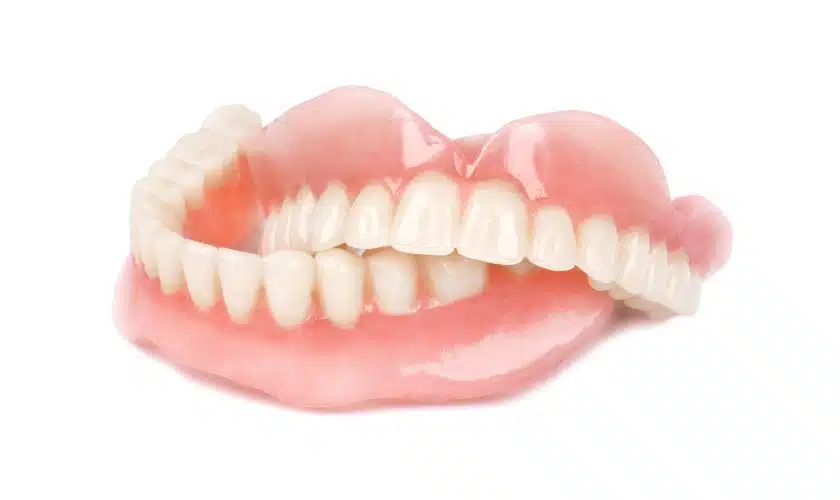
If you’re looking for a natural and comfortable solution to missing teeth, you’ve come to the right place. Dentures have long been a popular choice for restoring smiles and improving oral health. Whether you’re considering full or partial dentures, this comprehensive article will walk you through everything you need to know about getting the perfect fit for your unique needs. So let’s dive in and discover how dentures can help boost your confidence and give you a smile that feels as good as it looks!
Types of Dentures
When it comes to dentures, there are several types available depending on your specific needs. The most common types include full dentures, partial dentures, immediate dentures, and implant-supported dentures.
Full dentures are used when all of the natural teeth in a person’s mouth have been removed. They consist of a flesh-colored acrylic base that fits over the gums and a set of artificial teeth attached to the base. Full dentures provide support for your facial muscles and allow you to eat and speak properly.
The Process of Getting Dentures
The process of getting dentures is a detailed and personalized journey that begins with a consultation with your dentist. During this initial visit, the dentist will assess your oral health, take impressions of your mouth, and discuss the various options available to you.
Next comes the fitting stage, where custom-made molds are created based on the impressions taken previously. These molds ensure that your dentures fit comfortably and securely in your mouth. The color and shape of the teeth can also be customized to match your natural smile.
Once the dentures have been fabricated in a dental laboratory, you will return for another appointment to try them on. Your dentist will make any necessary adjustments to ensure proper fit and bite alignment.
It’s important to note that there may be an adjustment period as you get used to wearing dentures. You might experience some discomfort or difficulty speaking initially, but these issues typically resolve over time with practice and patience.
Caring for Dentures
Proper care and maintenance of your dentures is essential to ensure their longevity and keep them looking natural and comfortable. Here are some tips to help you take care of your dentures:
1. Clean them daily: Just like natural teeth, dentures need to be cleaned regularly. Use a soft-bristle toothbrush or a denture brush to gently clean all surfaces of the denture, including the gums and tongue.
2. Handle with care: When handling your dentures, be sure to do so over a basin filled with water or a towel in case they accidentally slip from your hands. Avoid using hot water as it can warp the shape of the denture.
3. Soak overnight: Remove your dentures before going to bed and soak them in water or a suitable cleaning solution overnight. This helps prevent bacteria buildup and keeps them moist.
4. Don’t forget oral hygiene: Even though you have full or partial dentures, it’s important to continue practicing good oral hygiene habits by brushing your gums, tongue, and remaining teeth (if any) twice a day.
5. Regular check-ups: Visit your dentist regularly for routine check-ups and adjustments if needed. They will examine the condition of your dentures and make any necessary repairs or modifications.
Alternatives to Dentures
While dentures are a popular choice for replacing missing teeth, they may not be the best option for everyone. Thankfully, there are alternatives available that can provide natural-looking and comfortable results.
Dental implants are one such alternative. These small titanium posts are surgically placed into the jawbone, acting as artificial tooth roots. They provide a sturdy foundation for dental crowns or bridges, resulting in a more permanent solution than traditional dentures.
Another alternative is dental bridges. These consist of crowns attached to healthy adjacent teeth with false teeth filling in the gaps. Bridges offer stability and aesthetics similar to natural teeth but require healthy neighboring teeth for support.
For those who have lost all or most of their teeth on either the upper or lower arch, implant-supported overdentures might be an option worth considering. These removable dentures snap onto dental implants strategically placed in the jawbone, providing improved stability and chewing function compared to conventional removable dentures.
Conclusion
In this complete guide to dentures, we have covered everything you need to know about achieving a natural and comfortable look with dentures. We discussed the different types of dentures available, including full and partial dentures, as well as implant-supported options. We also walked through the process of getting dentures, from the initial consultation to the final fitting. It’s important to note that each step is personalized to ensure a perfect fit and optimal comfort. Caring for your dentures is crucial in maintaining their appearance and longevity. By following proper cleaning techniques and handling them with care, you can enjoy a beautiful smile for years to come. While dentures are an excellent solution for many people, there are alternatives worth considering. Dental implants offer a more permanent option that mimics natural teeth closely. Bridges may be suitable if you have neighboring teeth that require restoration.
Recent Post

August 19, 2026
Electric or Manual: Which Toothbrush Actually Cleans Your Teeth Better?

August 13, 2026
How to Brighten Yellow Teeth at Home Naturally

August 5, 2026
Can Poor Oral Health Cause Chronic Bad Breath?

July 28, 2026
Can Dental Sealants Help Adults Prevent Cavities?

July 15, 2026
Can Sleep Apnea Affect Your Teeth and Gums?
July 10, 2026
What Happens When You Lose Bone After Tooth Extraction?
July 2, 2026
Why Do I Keep Getting Cavities Even Though I Brush Every Day?

June 27, 2026
Tooth Hurts When Drinking Cold Water? Here’s What It Could Mean

June 19, 2026
Clove Oil for Kids’ Tooth Pain: Safe or Risky?

June 12, 2026