New Patients Are Welcome!

Common Problems with Dentures and How to Solve Them
April 27, 2023
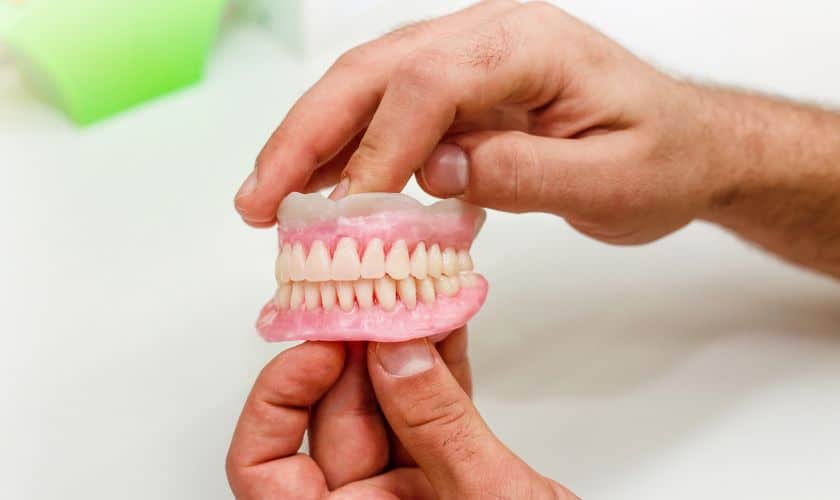
Dentures are a fantastic option for individuals who have lost all or most of their natural teeth. They can restore your smile, improve your ability to chew and speak and boost your confidence. However, adjusting to dentures takes time, and some common problems can arise. The good news is that most of these issues have solutions, allowing you to enjoy the full benefits of your dentures.
Here’s a look at some of the most frequent denture problems and how to address them:
1. Soreness and Irritation
Discomfort in your gums and mouth is normal, especially during the initial weeks of wearing dentures. Your mouth is adjusting to the presence of a foreign object, and the pressure from the dentures can cause irritation. This soreness typically subsides within a few days or weeks.
Solutions: Use a denture adhesive to create a better fit and reduce friction. You can also use a pain reliever like ibuprofen for temporary relief. If the soreness persists or worsens, consult your dentist to ensure your dentures fit properly.
2. Speaking Difficulties
Speaking clearly with new dentures can be challenging. The altered positioning of your tongue and the presence of dentures in your mouth can affect speech patterns.
Solutions: Practice speaking aloud while wearing your dentures. Start by reading aloud, then progress to conversations. Focus on enunciating your words clearly and speaking slowly. Your muscles will adjust over time, making speaking with dentures easier.
3. Eating Challenges
Chewing with dentures might feel awkward at first. The ability to bite and chew effectively may be reduced, and food particles can become trapped under the dentures, causing discomfort.
Solutions: Begin with soft foods cut into small pieces. Gradually introduce harder foods as you get accustomed to your dentures. Chew your food slowly and thoroughly on both sides of your mouth. Be cautious with sticky or chewy foods that can cling to the dentures. Practice good posture while eating to improve stability.
4. Slipping Dentures
Loose dentures are a common concern. They can slip or slide around in your mouth, making speaking, eating, and even smiling difficult. This can be caused by worn-out dentures, changes in your mouth’s shape over time, or improper cleaning.
Solutions: Denture adhesives can provide a temporary solution for loose dentures. However, if your dentures slip frequently, consult your dentist for a relining or replacement. A relining involves adding new material to the base of your dentures to improve their fit. In some cases, a complete replacement might be necessary.
5. Cleaning Problems
Maintaining proper denture hygiene is crucial for oral health. Poor cleaning can lead to plaque buildup, causing bad breath, gum infections, and even thrush, a fungal infection.
Solutions: Brush your dentures daily with a soft-bristled brush and a non-abrasive denture cleanser. Avoid using regular toothpaste, as it can scratch the dentures. Clean your mouth thoroughly with a soft toothbrush and water. Soak your dentures overnight in a denture-cleaning solution. Always handle your dentures with care over a sink filled with water to minimize the risk of breakage if they fall.
Dentures are a valuable tool for restoring your smile and oral function. By understanding and addressing common denture problems, you can maximize the benefits and comfort of your dentures. If you experience any persistent issues, don’t hesitate to consult your dentist for personalized advice and solutions. With proper care and adjustments, dentures can allow you to enjoy a confident smile and a healthy mouth for years to come.
Recent Post

October 7, 2026
Do You Need a Bone Graft Before Dental Implants?

October 1, 2026
The Best Tools for Effective Teeth Cleaning at Home

September 21, 2026
Why Does My Jaw Hurt When I Wake Up?

September 14, 2026
Why Do My Teeth Hurt When I Drink Something Cold?
September 10, 2026
How Long Do Porcelain Bridges Really Last?
September 3, 2026
Dental Sealants for Kids: Are They Really Necessary?
August 27, 2026
Bleeding Gums When You Brush? Here’s What That Might Actually Mean

August 19, 2026
Electric or Manual: Which Toothbrush Actually Cleans Your Teeth Better?

August 13, 2026
How to Brighten Yellow Teeth at Home Naturally

August 5, 2026