New Patients Are Welcome!

What Happens When You Lose Bone After Tooth Extraction?
July 10, 2026
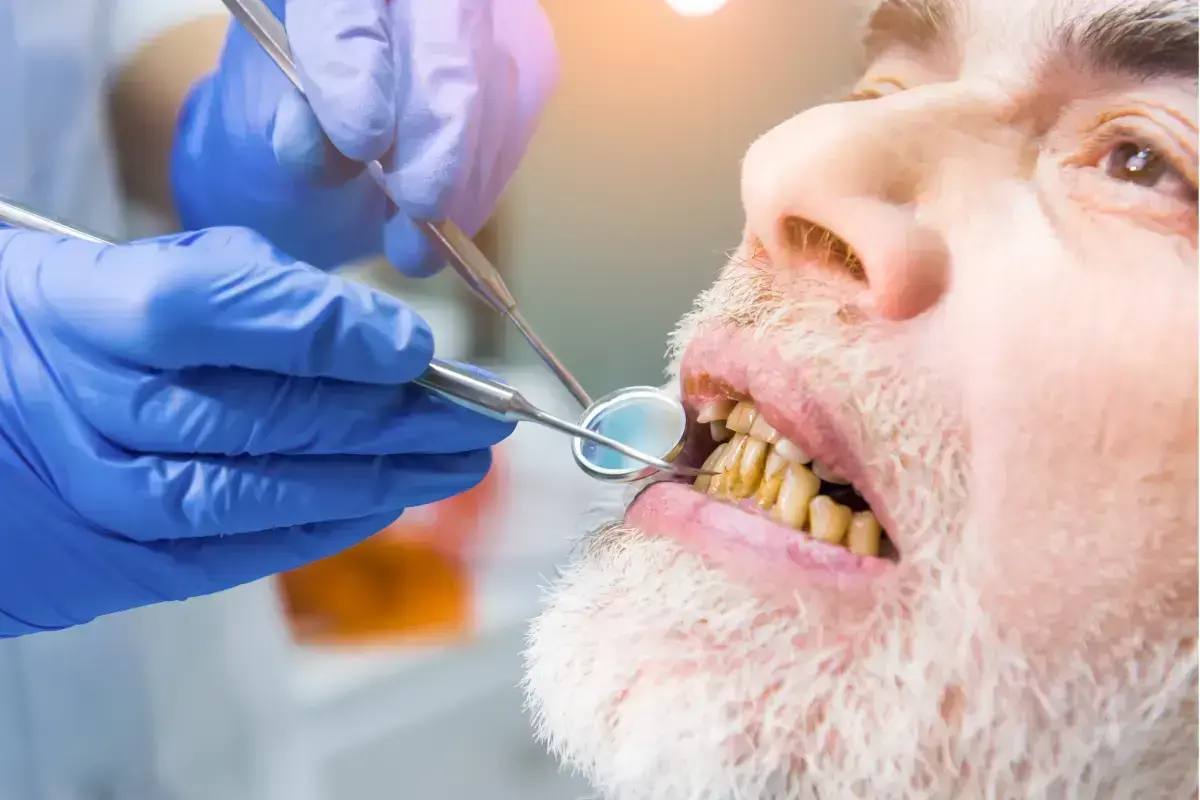
Once a tooth is removed, most people focus on how the gum tissue heals and how soon they can go back to eating normally. But there’s another process happening underneath the surface that doesn’t get talked about nearly as much. Bone loss after tooth extraction begins almost immediately and continues gradually over time if nothing is done to address it, which can affect a lot more than just that one spot in your mouth.
At Karr & Hardee Dentistry, Dr. Clint Hardee helps patients understand what to expect after a tooth extraction, including the changes that happen beneath the surface as the jaw heals. In some cases, preserving the jawbone after a tooth is removed can help maintain bone volume and support future tooth replacement options. Understanding it upfront makes it much easier to plan the right next step.
Why Your Jawbone Needs a Tooth Root to Stay Strong
Your jawbone isn’t static. It relies on the pressure created by chewing, transmitted through the tooth root, to stay dense and maintain its shape. This is sometimes described as a “use it or lose it” relationship. Once a tooth root is gone, that stimulation disappears from the socket, and the body naturally starts to resorb, or break down, the bone that’s no longer being used.
How Quickly This Process Happens
Bone loss tends to happen fastest in the first six months after an extraction, though it continues at a slower pace indefinitely if the space is never filled. Studies on ridge resorption have shown that a significant amount of width and height can be lost from the jawbone within just the first year. This is one of the reasons dentists often bring up replacement options fairly early, even if a patient isn’t in a rush to fill the gap right away.
What This Looks Like Over Time
In the short term, you likely won’t notice much difference. But as months and years pass, the area can start to look sunken compared to the surrounding gum tissue. In cases involving several missing teeth, especially in the front of the mouth, this bone loss can eventually affect facial structure, making certain areas of the face look slightly collapsed or aged in appearance. Nearby teeth may also begin drifting toward the empty space since they no longer have the support of a neighboring tooth and its underlying bone.
If you’re preparing for a tooth extraction or recently had one, schedule an evaluation with our team. We’ll explain your healing timeline and discuss whether preserving your jawbone is recommended for your situation.
Why This Matters for Future Treatment
If you’re considering a dental implant down the road, adequate bone volume is essential for it to be placed securely and successfully. If too much bone has already been lost, additional steps like a bone graft may be needed before an implant can be placed, which adds time and an extra procedure to the process. This is why many dentists recommend addressing bone preservation at the time of extraction, rather than waiting until a replacement tooth is being planned months or years later.
Socket Preservation: A Preventive Option
One common approach to slowing this process is socket preservation, sometimes called ridge preservation. Immediately after the tooth is removed, a bone graft material is placed into the empty socket to help maintain its shape and volume while it heals. This doesn’t eliminate bone loss entirely, but it significantly reduces how much occurs, which can make future treatment options, including implants, much more straightforward.
Does Every Extraction Need This?
Not necessarily. Whether socket preservation makes sense depends on a few factors, including whether you’re planning to replace the tooth, where in the mouth the extraction is happening, and the condition of the surrounding bone and gum tissue. For a tooth that isn’t being replaced or is in an area with less impact on chewing and appearance, it may not be as critical. Your dentist can walk you through whether it’s worth considering for your specific situation.
What to Watch for During Healing
While some healing changes are normal, it’s worth mentioning if you notice the extraction site looking unusually sunken very early on, ongoing discomfort well past the typical healing window, or visible movement in the neighboring teeth. These can be signs worth having your dentist take a closer look at.
Protecting Your Jaw Starts with the Right Plan
Bone loss after a tooth extraction is a natural part of the healing process, but understanding what happens can help you make informed decisions about your oral health. In some cases, preserving the jawbone at the time of extraction can help maintain future treatment options and support long-term function. At Karr & Hardee Dentistry, we’re committed to helping patients throughout Amarillo, TX understand their treatment options and protect their long-term oral health. Visit our Amarillo dental office to learn more about bone preservation and tooth replacement solutions.
FAQs
Is bone loss normal after a tooth extraction?
Yes. Once a tooth is removed, the jawbone naturally begins to shrink because it no longer receives stimulation from the tooth root.
How soon does bone loss begin after an extraction?
Bone loss starts shortly after the tooth is removed and is most noticeable during the first six months of healing.
Can bone loss be prevented after a tooth extraction?
While it can’t be stopped completely, procedures such as socket preservation or bone grafting can help reduce bone loss and preserve the jaw’s shape.
Will I need a bone graft after every tooth extraction?
Not always. Whether a bone graft is recommended depends on the location of the tooth, your oral health, and whether you plan to replace the missing tooth.
Why is preserving the jawbone important?
Maintaining healthy bone can improve support for future tooth replacement options, help preserve facial structure, and reduce the need for additional procedures later.
Recent Post

October 7, 2026
Do You Need a Bone Graft Before Dental Implants?

October 1, 2026
The Best Tools for Effective Teeth Cleaning at Home

September 21, 2026
Why Does My Jaw Hurt When I Wake Up?

September 14, 2026
Why Do My Teeth Hurt When I Drink Something Cold?
September 10, 2026
How Long Do Porcelain Bridges Really Last?
September 3, 2026
Dental Sealants for Kids: Are They Really Necessary?
August 27, 2026
Bleeding Gums When You Brush? Here’s What That Might Actually Mean

August 19, 2026
Electric or Manual: Which Toothbrush Actually Cleans Your Teeth Better?

August 13, 2026
How to Brighten Yellow Teeth at Home Naturally

August 5, 2026