New Patients Are Welcome!

7 Best Options for Replacing a Missing Tooth
January 6, 2023
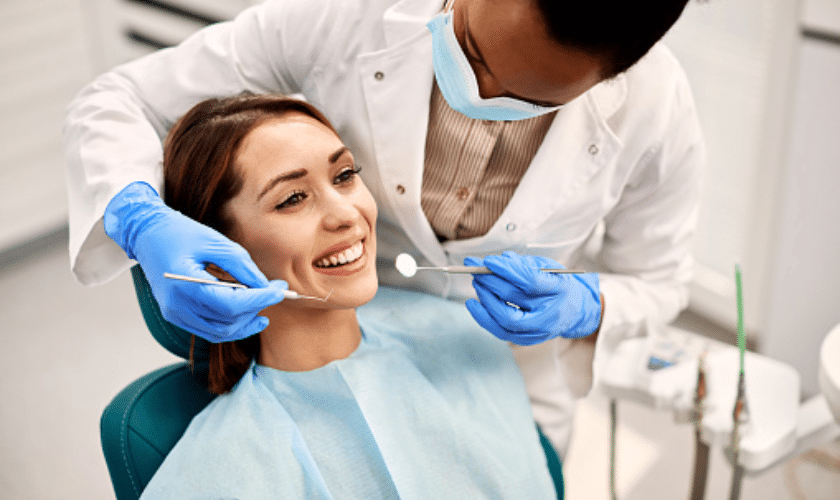
Losing a tooth can be a challenging experience, impacting both your appearance and dental health. Fortunately, modern dentistry offers several effective solutions to replace missing teeth. Whether you’ve lost a tooth due to decay, injury, or other reasons, understanding your options is crucial. Here are the seven best options for replacing a missing tooth, each with its unique advantages.
1. Dental Implants
Dental implants are widely regarded as the gold standard for tooth replacement. These are titanium posts surgically implanted into the jawbone, acting as a root for the replacement tooth. Over time, the implant fuses with the bone, providing a stable and permanent foundation for a crown.
Benefits of Dental Implants
- Longevity: With proper care, dental implants can last a lifetime.
- Natural Look and Feel: Implants mimic the appearance and function of natural teeth.
- Bone Preservation: They stimulate bone growth, preventing bone loss that typically follows tooth loss.
- Stability: Unlike dentures, implants are fixed and do not shift or slip.
Procedure Overview
The implant process typically involves several steps, including the initial consultation with your dentist, the surgical placement of the implant, a healing period, and finally, the attachment of the crown. Though it requires a time investment, the results are worth it for many patients.
2. Fixed Bridges
A fixed dental bridge is a non-removable appliance used to replace one or more missing teeth. The bridge consists of two or more crowns placed on the teeth adjacent to the gap, with a false tooth (pontic) in between.
Benefits of Fixed Bridges
- Aesthetic Appeal: Bridges can be matched to the color of your natural teeth.
- Functionality: They restore your ability to chew and speak properly.
- Quick Solution: The process of getting a bridge is generally faster than getting an implant.
Procedure Overview
Your dentist will prepare the abutment teeth (the teeth on either side of the gap), take impressions, and fabricate the bridge. Once the bridge is ready, it is cemented into place.
3. Removable Partial Dentures
Removable partial dentures are custom-made appliances that replace one or several missing teeth. They are attached to your natural teeth with metal clasps or precision attachments.
Benefits of Removable Partial Dentures
- Affordability: Generally less expensive than implants or fixed bridges.
- Non-Invasive: No surgery is required for placement.
- Versatility: Can replace multiple missing teeth in different areas of the mouth.
Procedure Overview
Your dentist will take impressions of your mouth and create a denture that fits comfortably. You can remove the dentures for cleaning and sleeping.
4. Complete Dentures
Complete dentures are used when all teeth are missing in either the upper or lower jaw. These prosthetic devices rest on the gums and can be removed for cleaning.
Benefits of Complete Dentures
- Cost-Effective: Less expensive compared to multiple implants.
- Restores Function: Improves ability to chew and speak.
- Aesthetic Improvement: Restores facial structure and smile.
Procedure Overview
The process involves taking impressions and measurements of your mouth, creating a wax model for fitting, and finally, fabricating the complete denture.
5. Implant-Supported Dentures
Implant-supported dentures combine the benefits of implants and dentures. These dentures are anchored to implants in the jaw, providing more stability than traditional dentures.
Benefits of Implant-Supported Dentures
- Stability: Reduced slippage and movement compared to regular dentures.
- Improved Function: Better chewing efficiency.
- Bone Preservation: Implants help maintain jawbone integrity.
Procedure Overview
This procedure requires the placement of dental implants, followed by the attachment of the dentures. Your dentist will ensure a snug fit for optimal comfort and function.
6. Resin-Bonded Bridge
Also known as a Maryland bridge, this option uses a metal or porcelain framework bonded to the back of adjacent teeth, with a false tooth in the center.
Benefits of Resin-Bonded Bridge
- Minimally Invasive: Less preparation of adjacent teeth is needed.
- Quick Solution: This can be completed relatively quickly.
- Aesthetic: The metal or porcelain wings are not visible from the front.
Procedure Overview
Your dentist will prepare the adjacent teeth slightly and bond the framework and false tooth to the back of the teeth using resin.
7. Flipper
A flipper is a temporary removable partial denture used as a placeholder while you wait for a more permanent solution, like a dental implant or bridge.
Benefits of a Flipper
- Temporary Solution: Great for interim use while waiting for a permanent replacement.
- Affordable: Less expensive as a temporary option.
- Easy to Make: Can be fabricated quickly.
Procedure Overview
Your dentist will take impressions and create a custom flipper that fits your mouth comfortably. It’s not intended for long-term use but serves as a good temporary solution.
Choosing the right method to replace a missing tooth depends on various factors, including your dental health, budget, and personal preferences. Consult with your dentist to determine the best option for you. Whether you opt for dental implants, a bridge, or dentures, restoring your smile can significantly improve your quality of life. Make sure to consider the long-term benefits and potential drawbacks of each option to make an informed decision.
Recent Post
October 7, 2026
Do You Need a Bone Graft Before Dental Implants?

October 1, 2026
The Best Tools for Effective Teeth Cleaning at Home

September 21, 2026
Why Does My Jaw Hurt When I Wake Up?

September 14, 2026
Why Do My Teeth Hurt When I Drink Something Cold?
September 10, 2026
How Long Do Porcelain Bridges Really Last?
September 3, 2026
Dental Sealants for Kids: Are They Really Necessary?
August 27, 2026
Bleeding Gums When You Brush? Here’s What That Might Actually Mean

August 19, 2026
Electric or Manual: Which Toothbrush Actually Cleans Your Teeth Better?

August 13, 2026
How to Brighten Yellow Teeth at Home Naturally

August 5, 2026