New Patients Are Welcome!

Are Extractions the Right Solution for Your Dental Concerns?
August 27, 2023
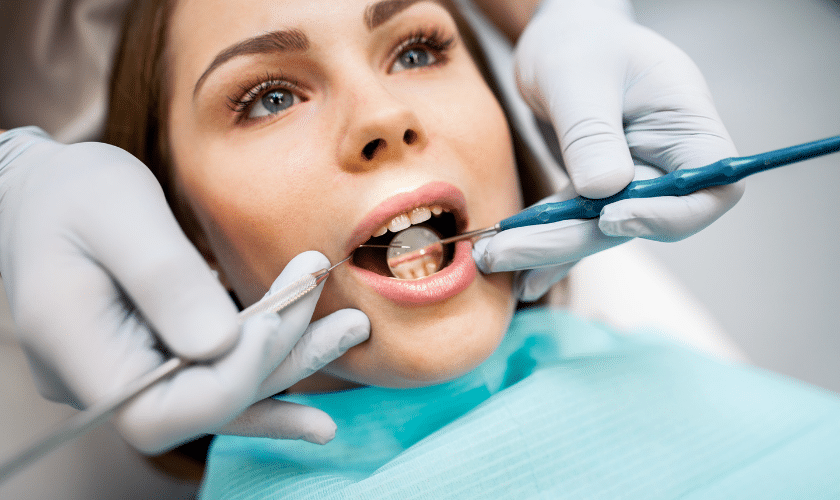
Maintaining optimal oral health is essential for a confident smile and overall well-being. While dentistry aims to preserve natural teeth whenever possible, there are instances where extractions become a necessary solution to address various dental concerns. Understanding when extractions are the right course of action and their role in maintaining oral health is crucial for making informed decisions about your dental care.
When Are Extractions Necessary?
Extractions may be recommended by a dentist or oral surgeon in several situations, each to promote oral health and prevent potential complications. Some common scenarios where extractions are necessary include:
1. Severe Tooth Decay: When tooth decay reaches an advanced stage and compromises a significant portion of the tooth’s structure, extraction may be the best way to prevent further damage or infection.
2. Impacted Wisdom Teeth: Wisdom teeth, or third molars, often lack sufficient space to erupt properly, leading to impaction, pain, infection, and potential damage to neighboring teeth.
3. Orthodontic Treatment: In some orthodontic cases, extractions are required to create space for proper teeth alignment. This is especially common in cases of overcrowding.
4. Periodontal Disease: Advanced gum disease can lead to severe damage to the surrounding tissues and bone supporting the teeth. In cases where the disease has caused irreparable damage, extraction may be necessary to prevent its spread.
5. Trauma or Injury: Teeth that have sustained significant trauma or injury, such as fractures or dislodgement, may need to be extracted if the damage is irreparable.
Types of Extractions
There are two main types of tooth extractions: simple and surgical.
1. Simple Extractions: Simple extractions are performed on teeth that are visible in the mouth and easily accessible. The dentist or oral surgeon uses specialized tools to gently loosen the tooth and remove it from the socket.
2. Surgical Extractions: Surgical extractions are more complex and involve the removal of teeth that may be partially erupted, impacted, or broken. This type of extraction may require a small incision in the gum tissue and sometimes even the removal of a small portion of bone.
How to Maintain Your Oral Health After Extractions
While extractions are often necessary to address dental concerns, it’s essential to understand that the removal of a tooth can have implications for oral health. Proper aftercare is crucial to ensure the healing process is smooth and to prevent potential complications. Here are some steps to maintain oral health after extractions:
1. Follow Post-Operative Instructions: Your dentist or oral surgeon will provide specific post-operative instructions, which may include guidelines for pain management, wound care, and diet.
2. Oral Hygiene: Continue practicing good oral hygiene, but be gentle around the extraction site. Avoid vigorous rinsing or brushing directly over the area for a few days to prevent irritation.
3. Dietary Considerations: Stick to a soft diet and avoid consuming hot, spicy, or hard foods that could disturb the healing process or irritate the extraction site.
4. Avoid Smoking: If you smoke, refrain from smoking for at least a few days after the extraction, as smoking can hinder the healing process.
5. Attend Follow-Up Appointments: Follow up with your dentist or oral surgeon as scheduled to ensure proper healing and address any concerns.
6. Discuss Replacement Options: Depending on the extracted tooth’s location and your overall dental health, you and your dentist can discuss potential replacement options, such as dental implants, bridges, or partial dentures.
The tooth extraction plays a crucial role in addressing various dental concerns and promoting oral health. While the decision to extract a tooth is not taken lightly, it’s important to trust your dentist’s expertise and recommendations. By understanding when extractions are necessary and following proper aftercare guidelines, you can ensure a smooth recovery process and maintain your oral health. Regular dental check-ups and open communication with your dentist will contribute to making informed decisions that prioritize your smile’s health and longevity.
Recent Post

October 7, 2026
Do You Need a Bone Graft Before Dental Implants?

October 1, 2026
The Best Tools for Effective Teeth Cleaning at Home

September 21, 2026
Why Does My Jaw Hurt When I Wake Up?

September 14, 2026
Why Do My Teeth Hurt When I Drink Something Cold?

September 10, 2026
How Long Do Porcelain Bridges Really Last?

September 3, 2026
Dental Sealants for Kids: Are They Really Necessary?

August 27, 2026
Bleeding Gums When You Brush? Here’s What That Might Actually Mean

August 19, 2026
Electric or Manual: Which Toothbrush Actually Cleans Your Teeth Better?

August 13, 2026
How to Brighten Yellow Teeth at Home Naturally

August 5, 2026