New Patients Are Welcome!

Tooth Pain Under a Filling: Should You Be Worried?
August 8, 2025

It’s a frustrating and confusing experience: you get a dental filling to fix a painful tooth, but the pain returns. Whether it’s a dull ache or sharp sensitivity, discomfort under or around a filling can be alarming. The good news is that the cause isn’t always serious—but the pain should never be ignored. By paying close attention, you can better understand what might be happening and when it’s time to seek professional help.
Immediate Pain After a New Filling (Days to Weeks)
A little discomfort right after a new filling is common. This type of pain often fades within a few days or weeks and can be caused by:
Nerve Irritation: The drilling and filling process can temporarily irritate the tooth’s inner tissue, especially if the original cavity was deep. This often presents as sensitivity to hot, cold, or pressure and should gradually improve.
A “High” Filling: If the new filling is slightly taller than your other teeth, it can cause extra pressure when you bite down. This leads to soreness in the tooth and jaw. A quick adjustment by your dentist can easily fix this.
Referred Pain: Sometimes, a nearby tooth can be sensitive after a procedure, and the pain is felt in the newly filled tooth instead.
Long-Term Pain and Filling Failure (Months or Years Later)
If pain develops months or years after a filling was placed, it often points to a “filling failure.” This is a different type of problem that requires professional attention. Causes can include:
Recurrent (Secondary) Decay: Over time, the seal between a filling and the tooth can break down. This creates a tiny gap where bacteria can sneak in and cause a new cavity underneath the old filling.
Cracked or Leaky Filling: Normal chewing, teeth grinding, or trauma can cause a filling to crack, chip, or shrink. A leaky filling allows food and bacteria to get inside the tooth, causing decay or infection.
Fractured Tooth: A large filling can weaken the surrounding tooth structure, making it susceptible to a fracture or crack. This can cause significant pain, especially when biting.
Infection and Abscess: If recurrent decay or a fracture is left untreated, bacteria can reach the tooth’s inner pulp and cause an infection. This leads to a painful abscess, often accompanied by swelling, fever, and throbbing pain.
When to Get Your Teeth Checked
While mild, temporary sensitivity can often be monitored, it’s crucial to schedule a dental visit immediately if you experience any of the following symptoms:
- Persistent or worsening pain that doesn’t go away.
- Sharp, stabbing, or throbbing pain, especially at night.
- Pain triggered by biting or pressure.
- Visible swelling in the gums or face.
- Fever or a general feeling of being unwell.
Ignoring the discomfort could lead to more serious issues like a root canal or even tooth extraction, so it’s best to address it early.
Do Fillings Need to Be Replaced?
Yes, fillings are not designed to last forever. They endure a lot of stress from chewing and can wear down over time. Regular dental check-ups allow your dentist to monitor the condition of your fillings and recommend a replacement before a problem arises. If your pain is linked to an old or worn-down filling, a replacement can be a simple solution.
Finding Help in Amarillo from the Professionals
Living in the Amarillo area and dealing with pain after having a dental filling? Whether it’s a recent issue or something that’s been bothering you for a while, it’s best not to wait for it to get worse.
At Karr & Hardee Dentistry, we don’t just treat symptoms; we get to the root of the problem to help you feel better for the long term. We use composite fillings to fix common issues like tooth decay, worn-out fillings, or small cracks, offering a comfortable, natural-looking solution for both kids and adults.
Ready to get out of pain and back to smiling? We’re here for you. Find us on the map here and come see a team that truly cares about your comfort.
Recent Post
October 7, 2026
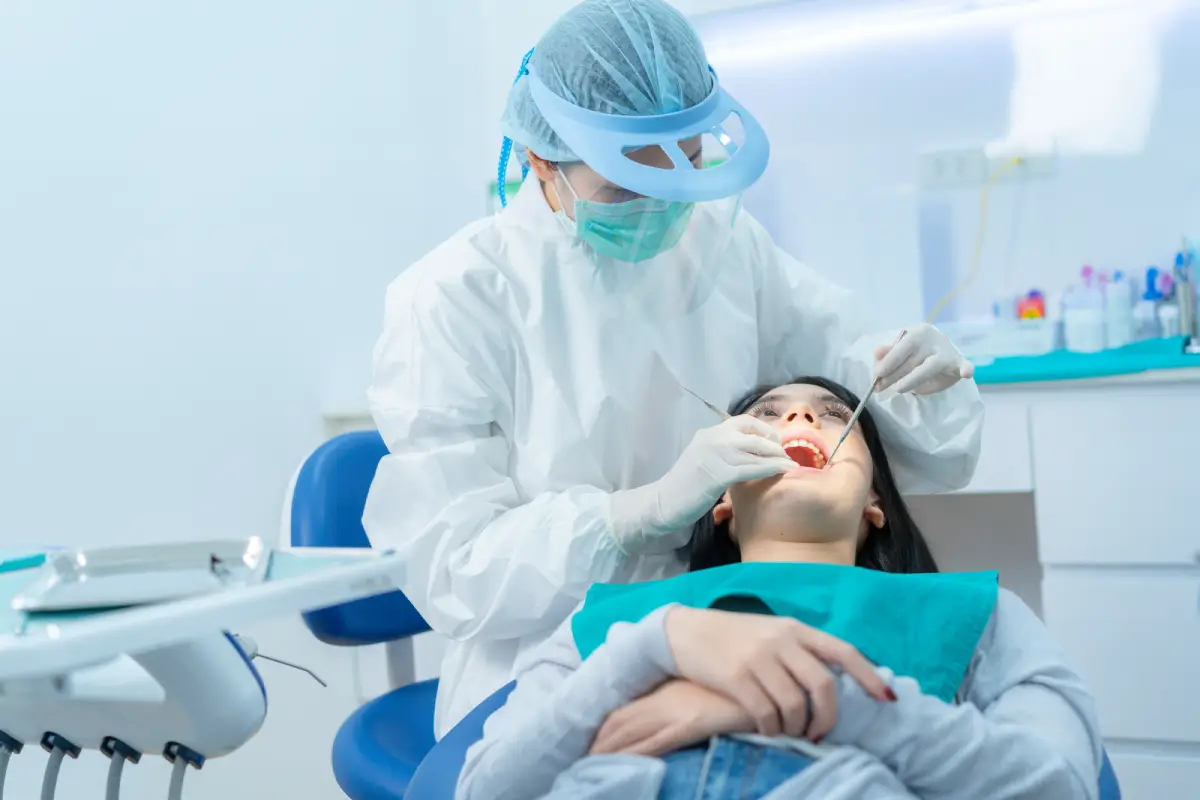
Do You Need a Bone Graft Before Dental Implants?

October 1, 2026
The Best Tools for Effective Teeth Cleaning at Home

September 21, 2026
Why Does My Jaw Hurt When I Wake Up?
September 14, 2026
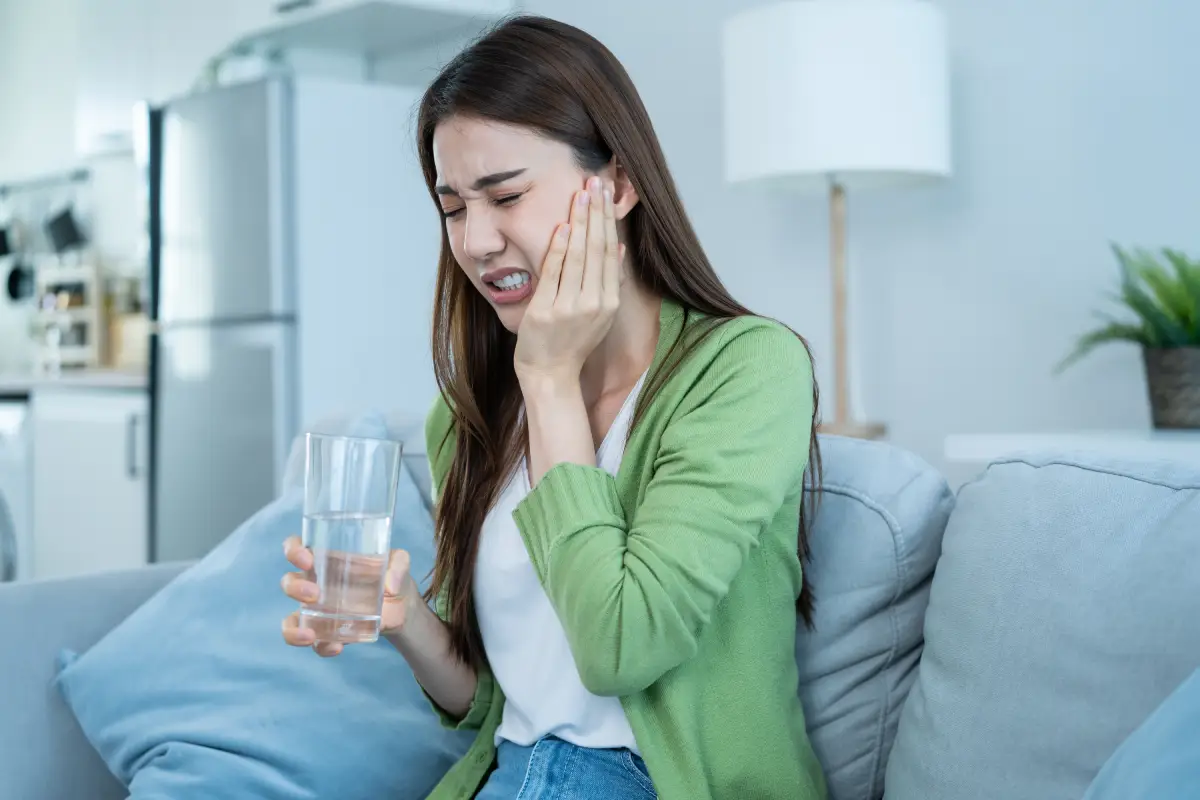
Why Do My Teeth Hurt When I Drink Something Cold?
September 10, 2026
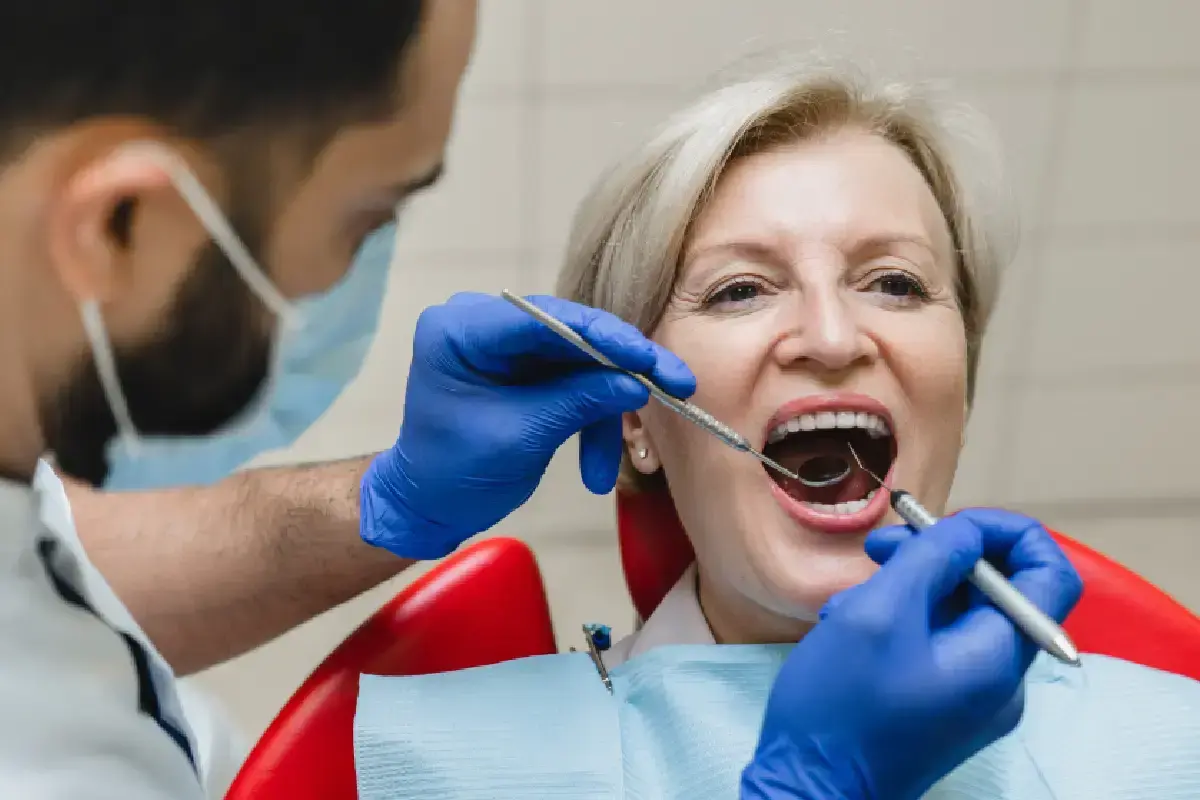
How Long Do Porcelain Bridges Really Last?
September 3, 2026
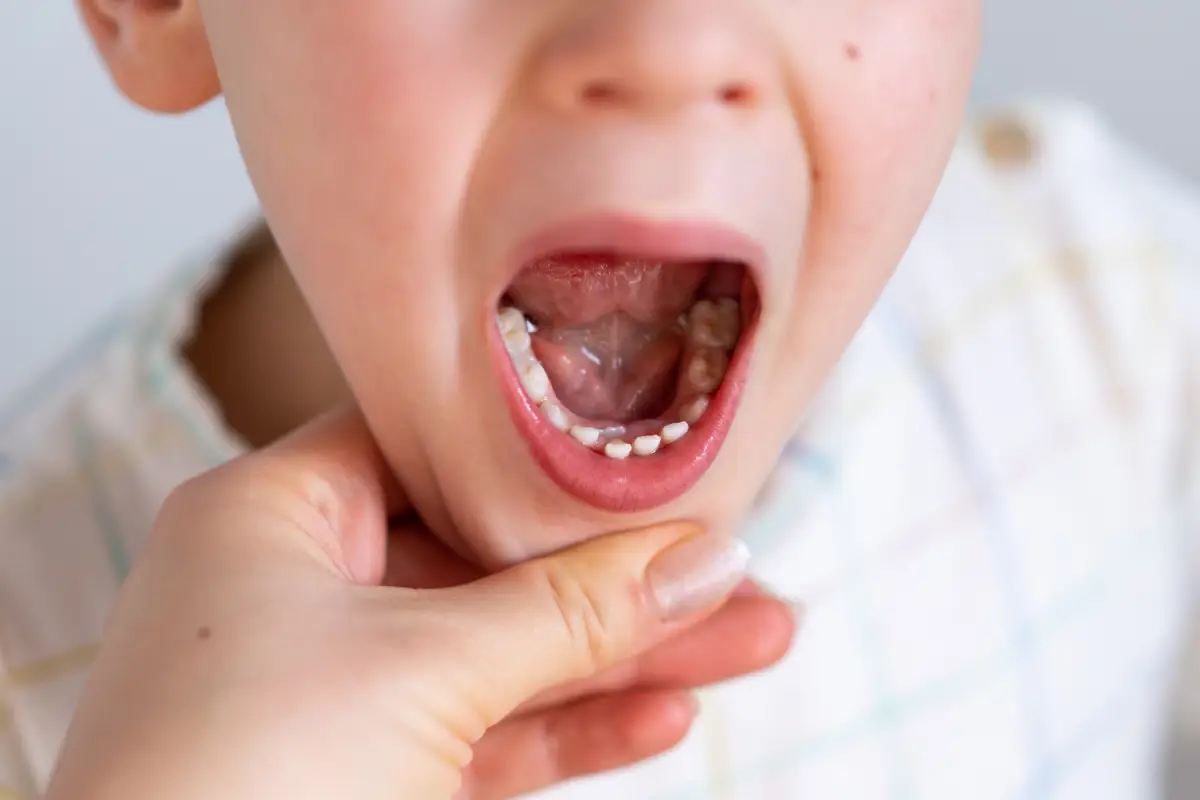
Dental Sealants for Kids: Are They Really Necessary?
August 27, 2026
Bleeding Gums When You Brush? Here’s What That Might Actually Mean

August 19, 2026
Electric or Manual: Which Toothbrush Actually Cleans Your Teeth Better?

August 13, 2026
How to Brighten Yellow Teeth at Home Naturally

August 5, 2026