New Patients Are Welcome!

Common Complications After Dental Implant Surgery
November 21, 2024

Dental implants have become a popular option for restoring smiles. However, as with any surgical procedure, complications can occur. While most implant surgeries are successful, a small number of patients may face issues after the procedure. Understanding these complications and knowing how to mitigate risks can help you feel more confident in your decision.
In this blog, we’ll cover the most common complications after an implant surgery. Keep reading to explore the steps that ensure a smooth recovery experience with dental implants in Amarillo.
Early-Stage Complications
Early complications generally occur within the first few weeks following surgery. Some early issues are mild, while others might require a prompt visit to your dentist.
Swelling and Discomfort
– What to Expect: Swelling and discomfort are normal right after surgery.
– Why It Happens: The body’s natural response to surgery includes inflammation as part of healing.
– How to Manage: Rest, apply cold compresses, and use prescribed anti-inflammatory medications.
Bleeding
– What to Expect: Light bleeding may continue for a few days after surgery.
– Why It Happens: Surgery disrupts blood vessels in the gums, causing minor bleeding.
– How to Manage: Bite down gently on gauze and avoid strenuous activities in the first days after surgery.
Infection
– What to Expect: Signs include unusual pain, swelling, or discharge around the implant site.
– Why It Happens: Bacteria can enter the surgical area, especially if oral hygiene isn’t maintained.
– How to Manage: Follow your dentist’s instructions carefully and take prescribed antibiotics if advised.
Implant Failure or Loosening
Dental implants require proper fusion with the jawbone for stability. When this doesn’t happen, complications may arise.
Osseointegration Failure
– What to Expect: The implant fails to bond with the jawbone, often detected within months of surgery.
– Why It Happens: Factors like smoking, insufficient bone density, or health conditions may impact fusion.
– How to Manage: A thorough pre-surgery assessment can help. Regular follow-up visits ensure early detection of osseointegration issues.
Peri-implantitis
– What to Expect: This inflammatory condition affects the tissues around the implant, causing bone loss.
– Why It Happens: Poor oral hygiene, smoking, or medical conditions like diabetes can increase risk.
– How to Manage: Good oral hygiene and routine dental visits are key to preventing peri-implantitis.
Mechanical Failure
– What to Expect: This occurs when the implant or components break or become loose.
– Why It Happens: Grinding, poor alignment, or excessive force can weaken implants over time.
– How to Manage: Using night guards and attending regular check-ups helps prevent these issues.
Nerve or Tissue Damage
Although rare, nerve damage is a possible complication of dental implant surgery.
Nerve Injury
– What to Expect: Patients may feel numbness, tingling, or pain in the lips, gums, or chin.
– Why It Happens: Nerve damage can occur if the implant is placed too close to a nerve.
– How to Manage: Surgeons can avoid this by using precise imaging and careful planning.
Sinus Problems (Upper Jaw Implants)
– What to Expect: Implants placed in the upper jaw might press into sinus cavities, causing discomfort.
– Why It Happens: The upper jaw is close to the sinus area, and incorrect placement may lead to issues.
– How to Manage: Sinus lifts before surgery may be recommended to create a better foundation for implants.
Long-Term Complications
Long-term issues may arise months or even years after the procedure. These complications often stem from neglect or underlying health conditions.
Bone Loss
– What to Expect: Over time, the bone around the implant may degrade, loosening the implant.
– Why It Happens: Conditions like peri-implantitis or inadequate care can lead to bone loss.
– How to Manage: Routine dental check-ups and good oral hygiene can reduce this risk.
Aesthetic Issues
– What to Expect: Implants might not blend with natural teeth if gum recession occurs.
– Why It Happens: Gum recession or poor implant placement can affect appearance.
– How to Manage: Careful planning and regular follow-ups help prevent aesthetic problems.
Factors That Increase the Risk of Implant Failure
While implants generally succeed, the following factors can increase the likelihood of failure.
Smoking: Smoking slows healing and increases the risk of infection, affecting implant success.
Poor Oral Hygiene: A lack of proper care can lead to infection and peri-implantitis.
Medical Conditions: Diabetes, osteoporosis, and immune disorders can make healing slower.
Bone Density: Insufficient bone may not support the implant well, leading to instability.
Bruxism (Teeth Grinding): Grinding puts extra force on implants, increasing wear and tear.
Ways to Reduce Dental Implant Risks and Support Recovery
Taking proactive steps after implant surgery can significantly improve the success rate and lower complication risks.
Maintain Excellent Oral Hygiene: Good hygiene is essential to prevent infections. Brush and floss daily and use an antibacterial mouthwash if recommended.
Attend All Follow-Up Appointments: Regular check-ups allow your dental practitioner to monitor healing and spot potential issues early.
Avoid Smoking: If you smoke, consider quitting or reducing your intake before and after surgery to support healing.
Use Night Guards if You Grind Your Teeth: Night guards protect implants from excessive grinding forces that can lead to mechanical failure.
Eat a Soft, Balanced Diet During Recovery: In the early stages, stick to soft foods that don’t put pressure on the implants. This helps avoid disruption to the healing process.
Implant surgery offers a lasting solution for replacing missing teeth. While some discomfort with implants is normal, more serious complications are rare and often preventable. Following your dentist’s advice, maintaining good oral hygiene, and regular check-ups contribute to implant success.
With the right precautions, you can minimize risks and enjoy the full benefits of dental implants. Make sure you schedule your implant consultation with a reliable Amarillo dentist for a smooth and effective recovery process.
Recent Post

October 7, 2026
Do You Need a Bone Graft Before Dental Implants?

October 1, 2026
The Best Tools for Effective Teeth Cleaning at Home

September 21, 2026
Why Does My Jaw Hurt When I Wake Up?

September 14, 2026
Why Do My Teeth Hurt When I Drink Something Cold?
September 10, 2026
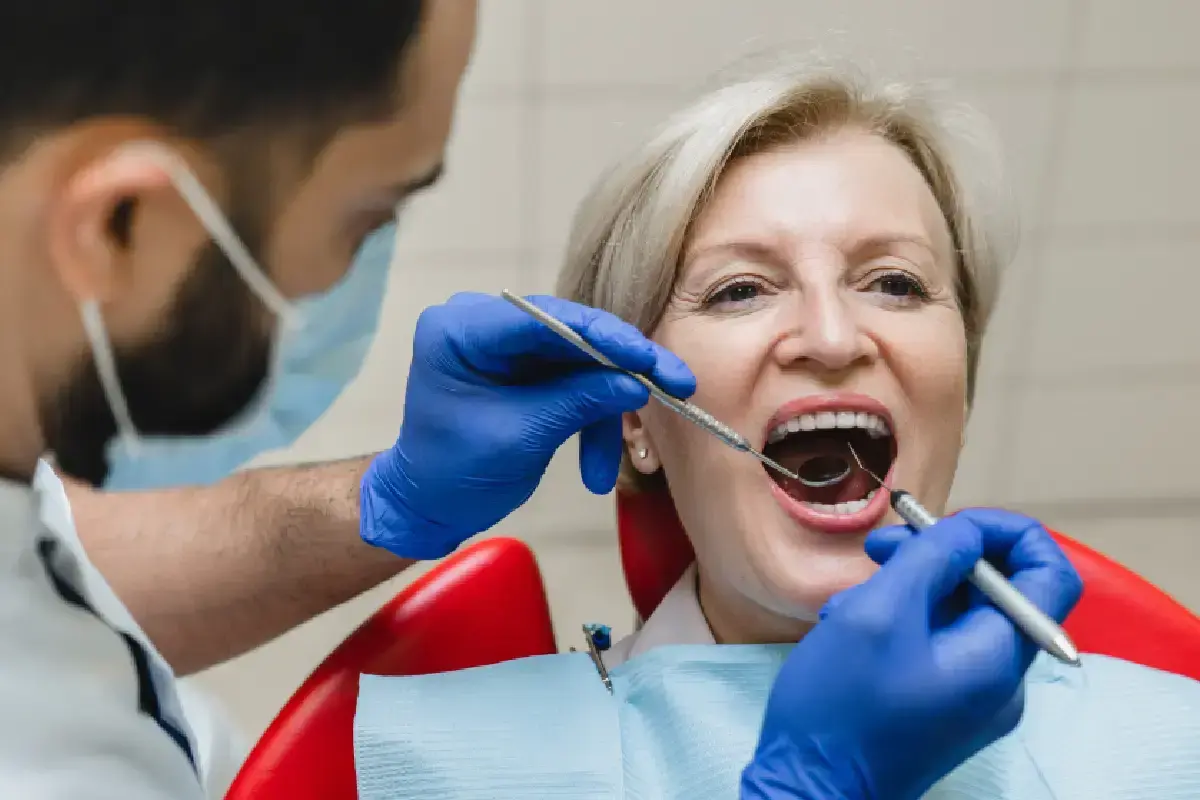
How Long Do Porcelain Bridges Really Last?

September 3, 2026
Dental Sealants for Kids: Are They Really Necessary?
August 27, 2026
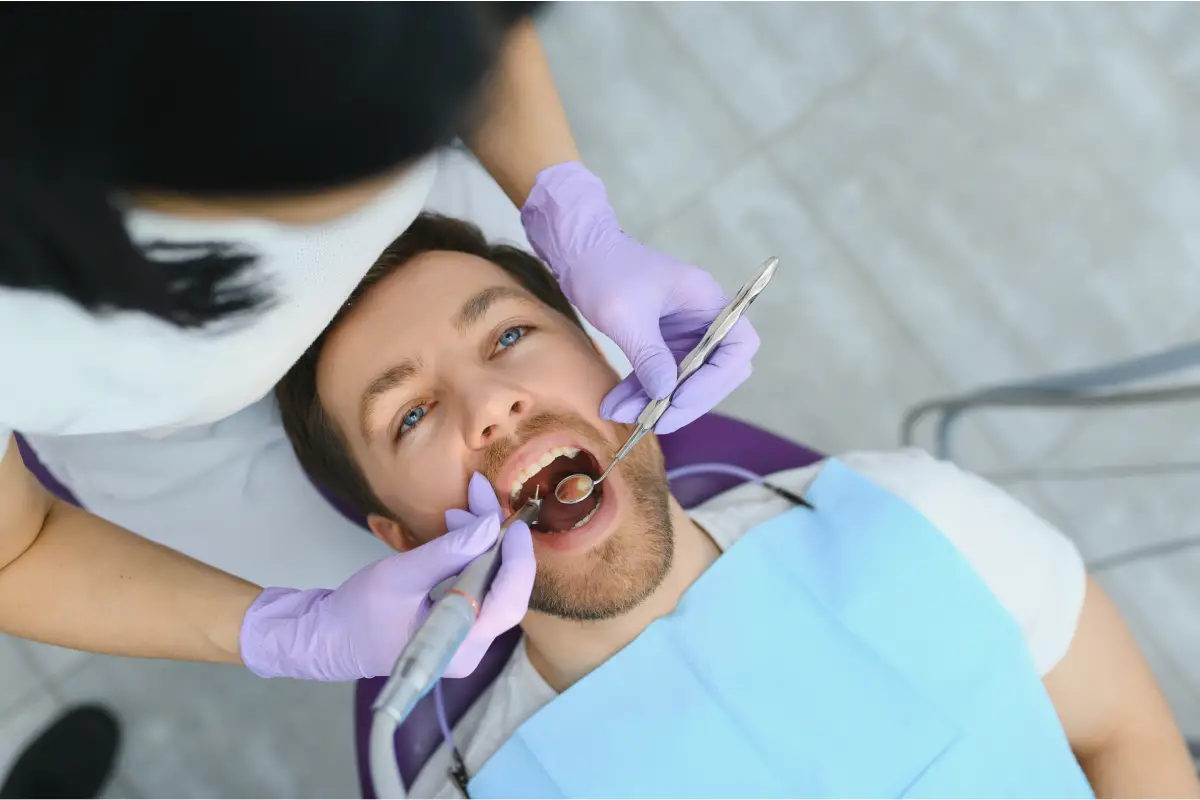
Bleeding Gums When You Brush? Here’s What That Might Actually Mean

August 19, 2026
Electric or Manual: Which Toothbrush Actually Cleans Your Teeth Better?

August 13, 2026
How to Brighten Yellow Teeth at Home Naturally

August 5, 2026