New Patients Are Welcome!

Can Sleep Apnea Affect Your Teeth and Gums?
July 15, 2026
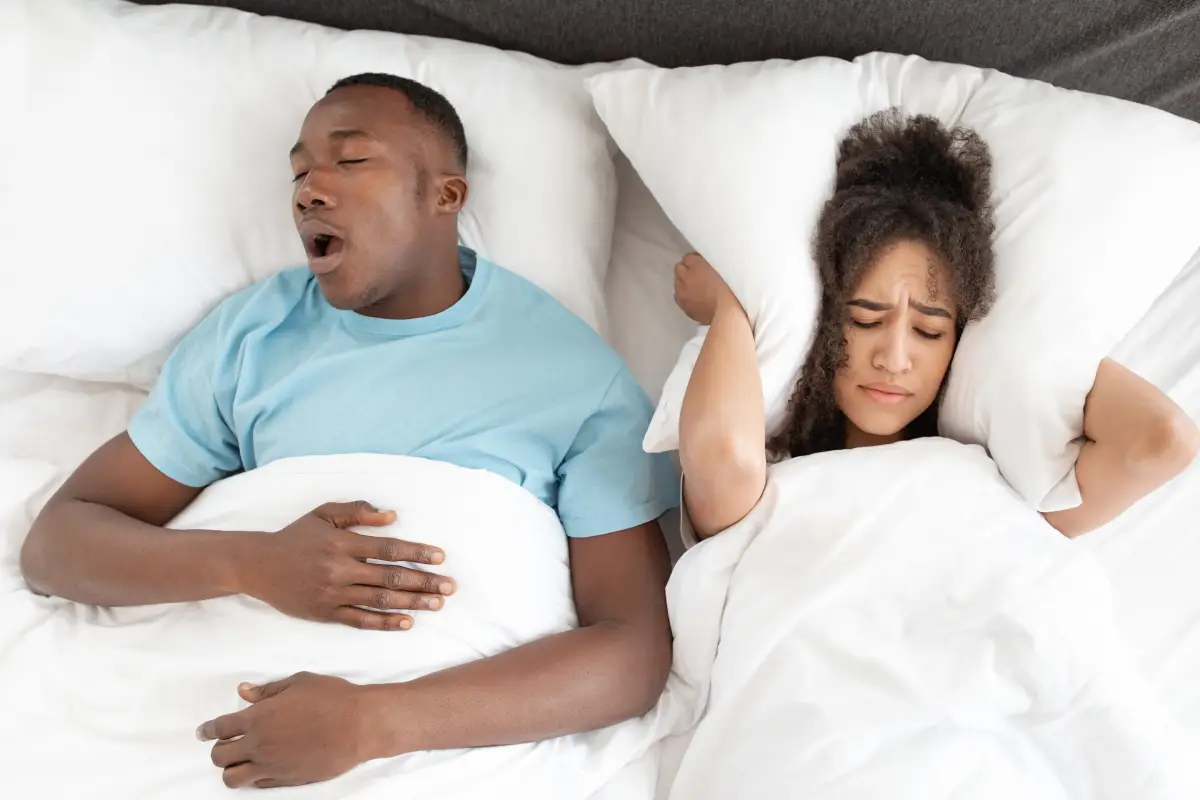
Sleep apnea is usually talked about in terms of snoring, daytime fatigue, and heart health, but there’s another area it can quietly impact: your mouth. The connection between sleep apnea and dental health isn’t always obvious at first, yet dentists are often among the first to spot warning signs, sometimes before a patient has even been formally diagnosed.
At Karr & Hardee Dentistry, Dr. Clint Hardee often identifies oral signs that may be connected to sleep-related breathing disorders. For some patients, custom sleep apnea treatment can help protect their teeth while improving nighttime breathing and overall oral health.
What Sleep Apnea Actually Does
Sleep apnea causes brief pauses in breathing throughout the night, often because the airway becomes partially or fully blocked. The body responds by briefly waking itself just enough to resume breathing, sometimes dozens of times an hour without the person ever fully realizing it’s happening. This repeated cycle doesn’t just affect sleep quality and energy levels; it also puts stress on the jaw, mouth, and surrounding tissues in ways that can show up during a routine dental exam.
Teeth Grinding Is a Common Side Effect
One of the clearest connections between sleep apnea and oral health is bruxism, or teeth grinding. As the body works to reopen a blocked airway during an apnea episode, the jaw muscles often clench and grind involuntarily. Over time, this can wear down tooth enamel, cause chips or cracks, and lead to jaw soreness or headaches upon waking, symptoms a dentist is often the first to notice during a checkup.
Dry Mouth and Its Effects
Many people with sleep apnea breathe through their mouth at night, either because of airway blockage or as a side effect of using a CPAP machine. This can lead to significant dry mouth, which reduces the natural, protective effects of saliva. Since saliva helps wash away food particles and neutralize acids, chronic dry mouth can increase the risk of cavities and make gum tissue more prone to irritation and inflammation.
A Possible Link to Gum Disease
Some research has pointed to a relationship between sleep apnea and a higher risk of gum disease, potentially connected to increased inflammation throughout the body caused by repeated oxygen disruption during sleep. While more research continues in this area, it’s another reason dentists pay close attention to gum health in patients who mention sleep issues or who show signs consistent with sleep apnea.
Noticing jaw pain, worn teeth, or morning headaches? Schedule a dental evaluation so we can examine your teeth, discuss your symptoms, and determine whether sleep apnea could be affecting your oral health.
Signs Your Dentist Might Notice
During a routine exam, a dentist may pick up on flattened or worn tooth surfaces from grinding, a scalloped-looking tongue that can happen with dry mouth, or signs of jaw tension. Combined with things you might mention, like waking up tired despite a full night’s sleep or a partner noticing loud snoring or gasping, these clues can prompt a conversation about a possible sleep study or referral to a sleep specialist.
How Dental Treatment Can Help
For patients diagnosed with sleep apnea, particularly mild to moderate cases, a custom oral appliance is sometimes recommended as an alternative or complement to a CPAP machine. This type of device is worn at night and works by gently repositioning the jaw to help keep the airway open. Beyond addressing the apnea itself, treatment can also help protect teeth from further grinding-related wear and reduce the dry mouth symptoms that come with airway obstruction.
Why a Dental Visit Is Worth It
Since dentists see the physical effects of sleep apnea up close, regular checkups can play an important role in catching signs early, sometimes before other symptoms become obvious. If your dentist mentions grinding, jaw tension, or unusual wear patterns, it may be worth bringing up your sleep habits as part of the conversation.
Better Sleep Starts With Better Oral Health
Sleep apnea can affect far more than your sleep quality. It may contribute to teeth grinding, dry mouth, jaw discomfort, and an increased risk of dental problems over time. Recognizing these signs early can help prevent further damage and improve your overall health. At Karr & Hardee Dentistry, we’re committed to helping patients throughout Amarillo, TX identify the oral effects of sleep apnea and explore the right treatment options. Visit our Amarillo office if you’re experiencing symptoms that could be related to sleep apnea and would like a professional evaluation.
FAQs
Can sleep apnea damage my teeth?
Yes. Sleep apnea is often associated with teeth grinding, which can wear down enamel, crack teeth, and place extra stress on the jaw over time.
Does sleep apnea cause dry mouth?
It can. Many people with sleep apnea breathe through their mouth while sleeping or experience dry mouth from CPAP therapy, increasing the risk of cavities and gum disease.
Can my dentist tell if I have sleep apnea?
A dentist cannot diagnose sleep apnea alone, but they can identify signs such as worn teeth, jaw tension, dry mouth, and other oral changes that may indicate the need for further evaluation.
Can a dental appliance help treat sleep apnea?
For many patients with mild to moderate obstructive sleep apnea, a custom oral appliance can help keep the airway open during sleep and reduce symptoms.
When should I see a dentist about sleep apnea symptoms?
If you frequently wake with jaw pain, headaches, worn teeth, or persistent dry mouth, it’s a good idea to schedule a dental evaluation to determine whether sleep apnea may be contributing to these issues.
Recent Post
October 7, 2026
Do You Need a Bone Graft Before Dental Implants?

October 1, 2026
The Best Tools for Effective Teeth Cleaning at Home
September 21, 2026
Why Does My Jaw Hurt When I Wake Up?
September 14, 2026
Why Do My Teeth Hurt When I Drink Something Cold?
September 10, 2026
How Long Do Porcelain Bridges Really Last?
September 3, 2026
Dental Sealants for Kids: Are They Really Necessary?
August 27, 2026
Bleeding Gums When You Brush? Here’s What That Might Actually Mean

August 19, 2026
Electric or Manual: Which Toothbrush Actually Cleans Your Teeth Better?

August 13, 2026
How to Brighten Yellow Teeth at Home Naturally
August 5, 2026