New Patients Are Welcome!

What Can Be Done For A Missing Tooth?
February 20, 2026
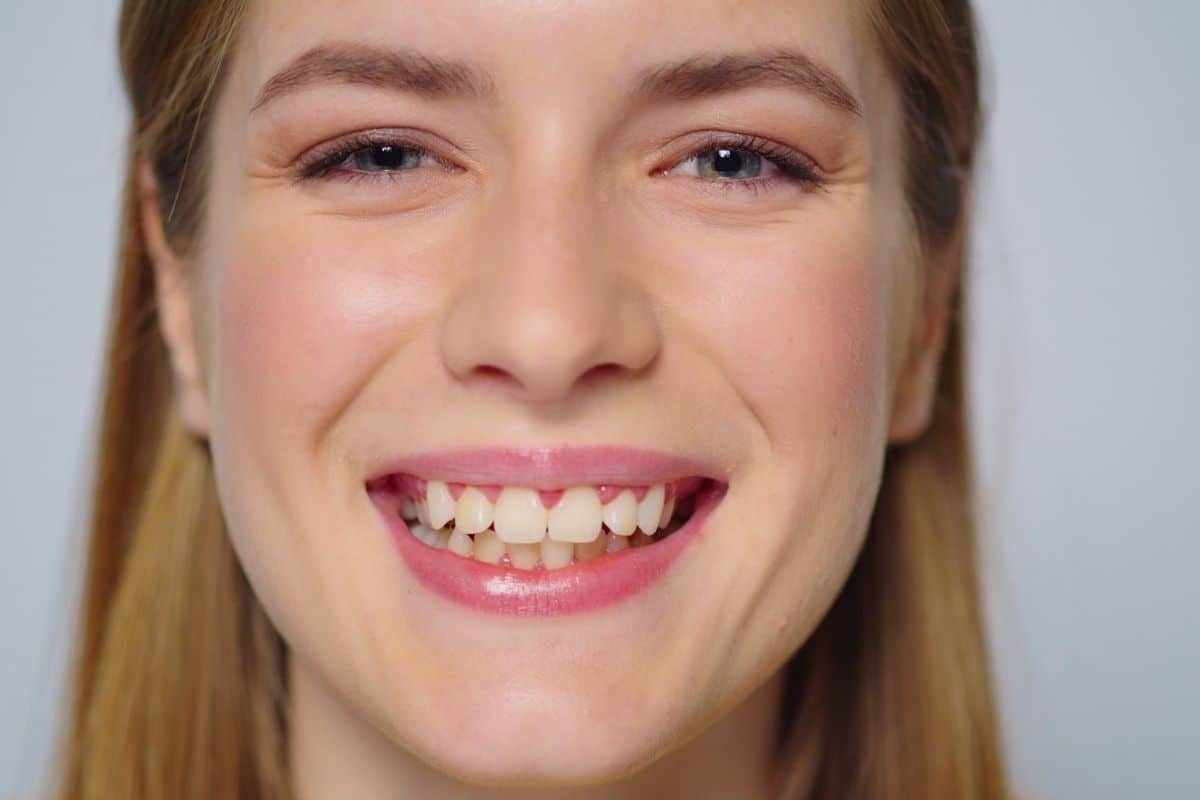
Losing a tooth is not something most people plan for. It might happen slowly due to decay or gum issues, or suddenly because of an accident or injury. Either way, once a tooth is gone, people often start noticing changes they did not expect. Eating feels a little different. Smiling feels more noticeable. Even speaking can feel slightly off at times.
A missing tooth is common, and it is also something dentistry is well-equipped to address. There are several ways to replace a lost tooth today, and each option is designed to restore comfort, appearance, and balance in the mouth. Understanding those options can make the situation feel far more manageable.
How Our Team Supports Tooth Replacement
At Karr & Hardee Dentistry, tooth replacement treatments are approached with care and attention to detail. Dr. Karr and Dr. Hardee focus on understanding the full picture before recommending any treatment, because every mouth is different. The right solution depends on several factors, including how long the tooth has been missing, the condition of the gums, and how the remaining teeth are working together.
By using thorough exams and modern diagnostic tools, our team identifies options that make sense both clinically and practically. This approach allows tooth replacement to feel less like a quick fix and more like a well-considered decision grounded in established dental principles.
To learn which restorative option may be right for you, you can call us at: (806) 352-2800.
Why a Missing Tooth Should Not Be Ignored
It is easy to assume that one missing tooth does not matter, especially if it is not easily visible. In reality, teeth rely on one another to stay in position and function properly.
When a tooth is lost, nearby teeth can slowly drift toward the open space. The opposing tooth may shift as well, which can affect how the bite comes together. Over time, this imbalance can place added stress on other teeth and change how evenly pressure is distributed while chewing.
Replacing a missing tooth helps maintain spacing, supports bite alignment, and reduces the likelihood of further changes that may become more difficult to manage later.
Common Replacement Options for a Missing Tooth
Modern dentistry offers several well-established ways to replace missing teeth. Each option has its own purpose, and the best choice depends on individual conditions.
Dental Implants
Dental implants are often chosen because they replace both the root and the visible portion of a missing tooth. A small post is placed into the jaw, where it serves as a stable foundation for a custom crown.
One of the reasons implants are widely used is that they stand on their own. They do not depend on neighboring teeth for support, which allows those teeth to remain untouched.
Porcelain Bridges
Porcelain bridges have been used successfully for many years. This option involves placing a false tooth in the open space and supporting it with crowns attached to the surrounding teeth.
Bridges can be a good choice when the adjacent teeth already require crowns or when an implant is not the preferred route. Modern porcelain materials are designed to blend naturally with existing teeth, creating a smooth and cohesive look.
Partial or Full Dentures
When multiple teeth are missing, partial or full dentures may be recommended. Partial dentures are used when some natural teeth remain, while full dentures replace an entire arch.
Advancements in design and materials have significantly improved how dentures fit and feel. In some cases, it can also be combined with dental implants for added stability.
How Dentists Decide Which Option Is Appropriate
Selecting the right tooth replacement method starts with a thorough evaluation. The dental team looks at bone support, gum health, bite alignment, and the condition of nearby teeth. Digital imaging helps provide a clearer picture of what is happening beneath the surface.
Our team relies on clinical experience and proven techniques to guide each recommendation. Rather than focusing on trends, decisions are based on what is most appropriate for each individual situation. This process helps ensure that the chosen solution fits well with the rest of the mouth and supports overall dental function.
What a Tooth Replacement Consultation Is Like
A consultation is primarily a conversation. It includes an exam, imaging, and a discussion about what is happening in the mouth and what options may be available. Each approach is explained clearly, including what the process involves and how it may fit into daily life.
This open discussion allows people to feel informed and confident rather than rushed into a decision. When the reasoning behind a recommendation is clear, the next steps tend to feel more manageable.
For those exploring tooth replacement, speaking with a dental team in person can make a meaningful difference. Our office is located in a well-known area along Soncy Road in southwest Amarillo, making it a convenient option for people living and working in the surrounding neighborhoods and nearby towns. Reach out for a consultation to ask questions, understand available options, and decide on a path forward at a comfortable pace.
Moving Forward With Confidence
Living with a missing tooth does not have to feel permanent or uncertain. Dentistry offers dependable solutions that can restore balance and comfort while blending naturally with the rest of the smile. Understanding your options is the first step. From there, the right solution often becomes much easier to see.
Questions People Commonly Ask
Can I wait before replacing a missing tooth?
Waiting is sometimes possible, but changes in spacing and bite can occur over time. An evaluation can help determine what impact the delay may have.
Do replacement teeth look natural?
Modern materials are designed to closely match natural teeth in shape and color, making restorations blend in seamlessly.
What if the tooth has been missing for a long time?
In many cases, replacement is still possible. Bone and gum conditions simply need to be assessed first.
Recent Post

October 7, 2026
Do You Need a Bone Graft Before Dental Implants?

October 1, 2026
The Best Tools for Effective Teeth Cleaning at Home

September 21, 2026
Why Does My Jaw Hurt When I Wake Up?

September 14, 2026
Why Do My Teeth Hurt When I Drink Something Cold?
September 10, 2026
How Long Do Porcelain Bridges Really Last?
September 3, 2026
Dental Sealants for Kids: Are They Really Necessary?
August 27, 2026
Bleeding Gums When You Brush? Here’s What That Might Actually Mean

August 19, 2026
Electric or Manual: Which Toothbrush Actually Cleans Your Teeth Better?

August 13, 2026
How to Brighten Yellow Teeth at Home Naturally

August 5, 2026